Face Cream Guide: Find the Right Moisturizer for Your Skin
Understand face cream types, key ingredients, and application methods so you can choose confidently and buy the right moisturizer for your skin type.
START THE GUIDEWhy this guide matters: A good face cream is the backbone of any skincare routine. It locks in hydration, supports the skin barrier, and helps active ingredients work better. This guide walks you through the differences between creams, what to look for on labels, and how to match a formula to your skin type — so you can purchase with confidence.
What Is Face Cream and Why Does It Matter?
Face cream is a moisturizing formulation designed specifically for the thinner, more delicate skin on the face. Unlike body lotion, face creams are engineered with a lighter molecular structure and a refined ingredient profile so they absorb quickly without clogging pores. The primary job of any face cream is to reinforce the skin barrier — the outermost layer that holds moisture in and keeps irritants out.
A well-formulated face cream combines three broad ingredient categories: humectants that attract water, emollients that soften and smooth the skin surface, and occlusives that seal moisture in. When these three work together, skin looks plumper, feels more comfortable, and is better protected against environmental stress. If you are building a routine from scratch, pair your face cream with a gentle top skin care products lineup and a suitable cleanser before layering.
Types of Face Cream You Should Know
The market divides face creams into several categories based on texture, function, and time of use. Understanding these categories helps you read product labels and avoid buying the wrong formula. Below is a practical breakdown using universal quality tiers rather than pricing.
Day Cream
Lighter texture designed for morning use. Often includes antioxidants and sometimes SPF. Best for normal, combination, and oily skin types that need hydration without heaviness.
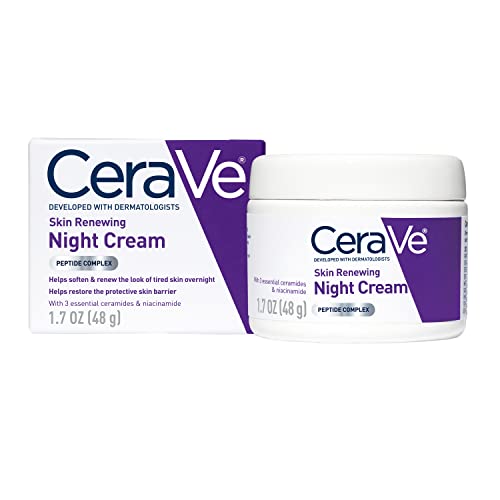
Night Cream
Richer, more occlusive formula that supports overnight repair. Ideal for dry and mature skin. Frequently contains retinoids, peptides, or ceramides.
Gel Cream
Water-based, oil-free texture that absorbs fast. Excellent for oily and acne-prone skin. Often includes niacinamide or hyaluronic acid.
Anti-Aging Cream
Formulated with active ingredients like retinol, peptides, and vitamin C. Targets fine lines and firmness. Best used at night or as directed.
Tinted Moisturizer
Hybrid cream that adds a hint of color while hydrating. Available for dry skin and oily skin versions.
Organic Face Cream
Plant-derived formulas with fewer synthetic ingredients. Great for sensitive skin. See our organic face cream overview for ingredient breakdowns.
Key Ingredients to Look For
Reading an ingredient list is the fastest way to judge whether a face cream matches your needs. Focus on the first five to eight ingredients — that is where the highest concentration sits. Here are the categories that matter most.
| Ingredient Category | What It Does | Best For |
|---|---|---|
| Humectants (glycerin, hyaluronic acid, panthenol) | Pull water into the upper layers of skin | All skin types, especially dehydrated skin |
| Emollients (squalane, shea butter, fatty alcohols) | Soften and smooth the skin surface | Dry, rough, or flaky skin |
| Occlusives (petrolatum, dimethicone, beeswax) | Seal moisture in and block water loss | Very dry skin, nighttime use |
| Ceramides | Rebuild the skin barrier | Sensitive, eczema-prone, barrier-damaged skin |
| Niacinamide | Balance oil, reduce redness, strengthen barrier | Oily, combination, and acne-prone skin |
| Retinol / Retinoids | Support cell turnover and firmness | Mature skin, fine lines, texture |
| Vitamin C | Antioxidant protection, brightening | Dull skin, uneven tone |
If you prefer natural formulas, ingredients like aloe vera, rose water, and tea tree oil for face are worth exploring. For barrier repair and hydration, a dedicated organic serum can pair nicely before applying cream.
How to Choose a Face Cream for Your Skin Type
Matching a cream to your skin type is the single biggest factor in whether it will work for you. Use the guide below as a decision framework.
- Dry skin: Choose a rich cream with ceramides, squalane, or shea butter. Night creams and cream-based formulas absorb better than gels. Layer over a hydrating serum.
- Oily skin: Pick a gel cream or oil-free lotion with niacinamide and hyaluronic acid. Avoid heavy occlusives during the day. Use a lighter formula even at night.
- Combination skin: A mid-weight cream works best. Apply more to dry zones (cheeks) and less to the T-zone. Consider a gel cream in summer and a richer cream in winter.
- Sensitive skin: Look for fragrance-free, short ingredient lists with ceramides and panthenol. Patch test first. Avoid strong actives until the barrier is stable.
- Mature skin: Consider a cream with peptides, retinoids, or vitamin C. Pair with an eye cream for wrinkles for targeted care around the eyes.
For a minimalist approach, see our minimalist skincare guide. For clean formulations, explore the clean beauty guide and vegan skincare resources. If you are unsure about budget, remember that tier descriptors like entry-level, mid-range, and premium are more useful than specific figures — a mid-range cream often delivers the same core humectants as a luxury one.
How to Apply Face Cream Correctly
Application technique is often overlooked, yet it affects absorption and results. Follow these steps for the best outcome.
- Cleanse gently: Use a mild cleanser so the skin barrier stays intact. A facial cleansing brush can help with thorough but gentle cleansing a few times per week.
- Apply to damp skin: Lightly mist or pat skin with water before applying cream. Humectants work better on slightly damp skin.
- Use the right amount: A pea-sized amount is enough for the full face. Warm it between fingertips and press gently upward and outward.
- Layer correctly: Apply serums first, then face cream, then sunscreen in the morning. At night, face cream is the final step.
- Don't forget the neck: Extend the cream down the neck and lightly onto the jawline. Skin there is thin and benefits from the same care.
Day Cream vs Night Cream: What's the Difference?
Day creams are formulated with a lighter texture, often include antioxidants to defend against pollution and UV exposure, and may contain SPF. They need to sit well under makeup and not feel greasy throughout the day. Night creams are richer and designed to support the skin's natural repair cycle, which peaks during sleep. They commonly include retinoids, peptides, and more occlusive ingredients.
If you have oily skin, you may prefer a single lightweight gel cream for both day and night. Dry and mature skin types usually benefit from a two-product approach. For a full routine, see our skincare hub and the non-toxic skincare checklist.
Frequently Asked Questions About Face Cream
What is the difference between face cream and face lotion?
Face creams are thicker and richer than lotions, making them better for dry skin and nighttime use. Lotions are lighter, water-based formulas that absorb quickly and suit oily or combination skin.
How do I choose a face cream for my skin type?
Dry skin benefits from rich, ceramide-based creams. Oily skin does best with lightweight, oil-free gel creams. Combination skin can use a medium-weight cream. Sensitive skin should look for fragrance-free, minimal-ingredient formulas.
When should I apply face cream?
Apply face cream twice daily — in the morning after cleansing and before sunscreen, and at night as the final step of your skincare routine.
Can I use the same face cream for day and night?
Yes, if the formula suits your skin type. Many gel creams work for both. However, if you use actives like retinol at night, you will need a separate, simpler daytime cream.
Are expensive face creams better than entry-level ones?
Not necessarily. Many entry-level and mid-range creams contain the same core humectants and emollients as premium ones. What matters most is the ingredient match to your skin type and consistent use.
Ready to Choose Your Face Cream?
Browse our recommended face creams below and compare formulas that match your skin type and routine.
VIEW RECOMMENDED PRODUCTS