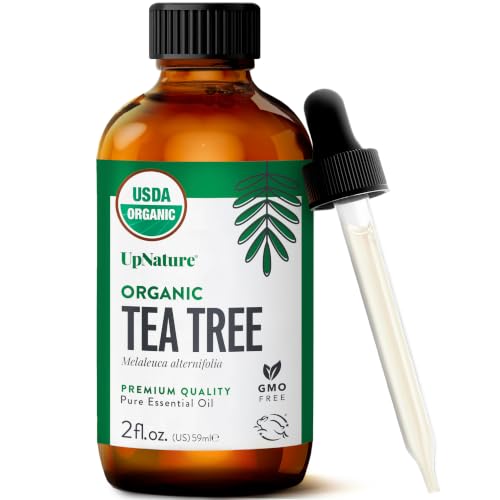
Tea Tree Oil for Face: The Complete Guide to Clearer, Healthier Skin
Discover how this powerful natural essential oil can transform your skincare routine and help you achieve a clearer, more balanced complexion.
EXPLORE THE BENEFITSWhy Tea Tree Oil? Tea tree oil (Melaleuca alternifolia) has been used for centuries as a natural remedy for skin concerns. Its powerful antibacterial and anti-inflammatory properties make it a favorite among skincare enthusiasts looking for effective, plant-based solutions for acne, blemishes, and oily skin.
What Is Tea Tree Oil and Why Is It Good for Your Face?
Tea tree oil is an essential oil steam-distilled from the leaves of the Melaleuca alternifolia plant, native to Australia. For decades, it has been a staple in natural skincare because of its remarkable ability to fight acne-causing bacteria, soothe inflammation, and help regulate excess oil production. Unlike harsh chemical treatments, tea tree oil offers a gentler, plant-based approach to achieving clearer skin.
When incorporated into a consistent skincare routine, tea tree oil can be a game-changer for those dealing with breakouts, oily T-zones, and occasional blemishes. It works by penetrating the pores and targeting the bacteria that trigger acne, while also calming redness and irritation. If you're exploring natural alternatives to conventional acne treatments, tea tree oil is one of the most well-researched and accessible options available today.
However, it's important to understand that tea tree oil is potent and must be used correctly. Undiluted application can cause irritation, and improper use may do more harm than good. This guide will walk you through everything you need to know — from the science-backed benefits to safe application methods and DIY recipes you can try at home.
Key Benefits of Tea Tree Oil for Your Face
Fights Acne-Causing Bacteria
Tea tree oil contains terpinen-4-ol, a compound with strong antibacterial properties that targets acne-causing bacteria and helps reduce breakouts.
Reduces Inflammation & Redness
Its anti-inflammatory properties help calm irritated skin, reduce redness, and soothe active blemishes for a more even complexion.
Controls Excess Oil
Tea tree oil helps regulate sebum production, making it especially beneficial for oily and combination skin types prone to shine and clogged pores.
Speeds Up Blemish Healing
Applied as a spot treatment, diluted tea tree oil can help blemishes heal faster by keeping the area clean and reducing bacterial growth.
Soothes Itchy, Irritated Skin
Tea tree oil's calming properties can help soothe skin irritation, itching, and minor rashes when properly diluted and applied topically.
Natural & Plant-Based
For those seeking natural skincare alternatives, tea tree oil offers an effective plant-derived option that aligns with clean beauty principles.
How to Use Tea Tree Oil on Your Face Safely
Using tea tree oil correctly is essential to getting results without irritation. Follow these steps to incorporate it safely into your routine:
Always Dilute Before Use
Never apply undiluted tea tree oil directly to your face. Mix 1-2 drops with a carrier oil such as jojoba, almond, or coconut oil, or add it to your moisturizer. A 5% dilution (about 1 drop per teaspoon of carrier oil) is generally safe for most skin types.
Do a Patch Test First
Before applying tea tree oil to your face, test it on a small area of your inner arm or jawline. Wait 24 hours to check for any allergic reaction or irritation. If redness, itching, or burning occurs, discontinue use.
Apply as a Spot Treatment
For active blemishes, dab a small amount of diluted tea tree oil directly onto the spot using a clean cotton swab. This targeted approach minimizes contact with surrounding healthy skin and reduces the risk of dryness.
Incorporate Into Your Routine
For broader skin benefits, add a drop of tea tree oil to your daily cleanser or moisturizer. This allows you to reap its antibacterial benefits across your entire face without over-applying the oil directly.
Start Slow
Begin with 2-3 applications per week and observe how your skin responds. If your skin tolerates it well, you can gradually increase frequency to once or twice daily. Always listen to your skin — if it feels dry or irritated, reduce usage.
⚠️ Important Safety Note
Tea tree oil is for external use only. Avoid contact with eyes and mucous membranes. Do not ingest tea tree oil, as it can be toxic if swallowed. If you have sensitive skin or a known allergy to essential oils, consult a dermatologist before use. Pregnant and nursing women should also seek professional advice before incorporating tea tree oil into their skincare routine.
DIY Tea Tree Oil Recipes for Your Face
Try these simple, effective recipes at home to harness the benefits of tea tree oil. All recipes use diluted tea tree oil for safety. For more natural skincare inspiration, explore our guides on DIY face masks and natural skin remedies.
Recipe 1: Tea Tree Spot Treatment
- 1 drop of tea tree oil
- 1 teaspoon of jojoba oil (or another non-comedogenic carrier oil)
- Mix the tea tree oil with the carrier oil in a small bowl or on your palm.
- Using a clean cotton swab, dab the mixture directly onto blemishes.
- Leave it on overnight and cleanse your face in the morning as usual.
Recipe 2: Tea Tree & Aloe Vera Soothing Gel
- 2 drops of tea tree oil
- 2 tablespoons of pure aloe vera gel
- 1 teaspoon of rose water (optional, for added soothing)
- Combine all ingredients in a small container and mix well.
- Apply a thin layer to clean skin, focusing on areas prone to breakouts.
- Leave on for 10-15 minutes, then rinse with lukewarm water.
- Use 2-3 times per week for best results. Learn more about aloe vera benefits for skin.
Recipe 3: Tea Tree Facial Steam
- 2-3 drops of tea tree oil
- 1 large bowl of hot (not boiling) water
- 1 large towel
- Add the tea tree oil to the hot water and stir gently.
- Drape the towel over your head and the bowl, creating a tent.
- Keep your face about 10-12 inches from the water and steam for 5-8 minutes.
- Rinse your face with cool water afterward. This helps open pores and cleanse deeply. For an enhanced routine, consider pairing with a facial steamer.
Choosing Tea Tree Oil Products for Your Face
If DIY recipes aren't your preference, there are many ready-made skincare products that harness the power of tea tree oil. When shopping, look for products that list tea tree oil as an ingredient and specify its concentration. Here's what to look for:
- Cleansers: Tea tree oil face washes are excellent for daily use, especially for oily and acne-prone skin. They cleanse while providing antibacterial benefits without over-drying.
- Spot Treatments: Pre-made spot treatments with tea tree oil offer a convenient way to target blemishes without the guesswork of dilution.
- Toners: Tea tree toners can help balance oil production and refresh the skin. Look for formulas that also include soothing ingredients like aloe or chamomile.
- Face Masks: Tea tree-infused masks provide a more intensive treatment. Use them 1-2 times per week for best results. For more mask options, see our guide to face mask skincare.
When selecting products, choose formulas from reputable brands that prioritize quality and transparency. Concentrations between 1-5% are generally effective and well-tolerated for most skin types. If you have sensitive skin, start with lower concentrations and always patch test.
If you're looking to build a complete skincare routine, explore our guides on organic serums and organic face creams to complement your tea tree oil products.
Frequently Asked Questions
No, undiluted tea tree oil is too potent and can cause irritation, redness, and burning. Always dilute it with a carrier oil or mix it into a skincare product before applying to your face.
Start with 2-3 times per week and gradually increase if your skin tolerates it well. Most people can use diluted tea tree oil once or twice daily after their skin adjusts.
Tea tree oil is especially beneficial for oily and acne-prone skin, but it can work for most skin types when properly diluted. Dry or sensitive skin types should use lower concentrations and patch test first. If you have dry skin, consider pairing tea tree oil with hydrating ingredients like those found in vitamin E oil.
Tea tree oil's antibacterial properties can help prevent new blemishes that lead to dark spots, but it is not a primary treatment for existing hyperpigmentation. Pair it with brightening ingredients like vitamin C for best results.
Ready to Experience the Benefits of Tea Tree Oil?
Whether you're dealing with occasional breakouts or looking for a natural addition to your skincare routine, tea tree oil offers a powerful, plant-based solution. Remember to always dilute it properly, patch test before use, and listen to your skin's response. With consistent, careful use, tea tree oil can help you achieve clearer, healthier-looking skin.
VIEW RECOMMENDED PRODUCTS