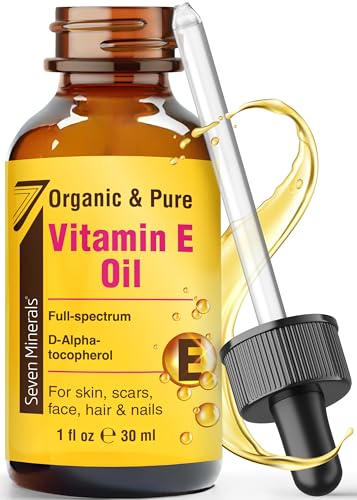
Vitamin E Oil for Face: Benefits, Uses & Expert Guide
Learn how this antioxidant-rich oil can hydrate, repair, and protect your skin—plus how to choose and apply it correctly for your skin type.
Vitamin E oil has earned a permanent spot in skincare routines, and for good reason. As a fat-soluble antioxidant, it helps neutralize free radicals, supports the skin barrier, and can improve the look of dryness and uneven texture. But like any active ingredient, it works best when you understand what it does, how to use it, and which formulas suit your skin.
If you are researching vitamin E oil for face before buying, this guide walks you through the science-backed benefits, realistic expectations, application methods, and product types so you can choose confidently. Whether you have dry, oily, sensitive, or mature skin, you will find practical guidance here.
What Is Vitamin E Oil?
Vitamin E is a group of fat-soluble compounds, with alpha-tocopherol being the most biologically active form used in skincare. In cosmetic products, vitamin E oil typically refers to alpha-tocopherol or its ester forms (like tocopheryl acetate) suspended in a carrier oil such as sunflower, jojoba, or almond oil.
Unlike water-based serums, vitamin E oil is lipophilic, meaning it blends with the skin's natural lipids. This makes it especially useful for reinforcing the moisture barrier and softening rough patches. It is also a common companion ingredient in vitamin C and retinol serums, where it helps stabilize formulas and enhance antioxidant protection.
Key Benefits of Vitamin E Oil for Face
1. Deep Hydration and Barrier Support
Vitamin E oil helps seal in moisture by forming a protective layer on the skin surface. This is particularly helpful for dry or flaky skin, especially in colder months or air-conditioned environments. If you already use a face cream, adding a few drops of vitamin E oil at night can boost its occlusive effect.
2. Antioxidant Protection
Free radicals from UV exposure, pollution, and stress can accelerate visible signs of aging. Vitamin E neutralizes these unstable molecules, helping protect collagen and elastin. While it is not a replacement for sunscreen, it complements sun protection by supporting the skin's defense network.
3. Scar and Dark Spot Improvement
Vitamin E has a long history in wound care and scar management. When massaged into the skin, it supports the repair process and may gradually soften the appearance of scars and post-inflammatory hyperpigmentation. For best results, pair it with targeted treatments like a dark spot remover or a vitamin C serum for hyperpigmentation.
4. Anti-Aging Support
By defending against oxidative stress, vitamin E helps maintain skin elasticity and smoothness over time. It is often included in anti-aging routines alongside under-eye cream for wrinkles and eye cream for wrinkles to address fine lines around the delicate eye area.
5. Soothing Irritation
Vitamin E has mild soothing properties that can calm dry, tight, or irritated skin. It is a common ingredient in post-sun care and gentle natural skin remedies for this reason.
Who Should Use Vitamin E Oil?
Vitamin E oil is suitable for most skin types, but the ideal format depends on your skin:
- Dry skin: Pure or blended vitamin E oil works well as a nighttime moisturizer booster.
- Mature skin: Helps address dryness and supports antioxidant defense; pairs well with a face mask skin care routine.
- Oily and acne-prone skin: Choose lightweight, diluted formulas to avoid heaviness; patch-test carefully.
- Sensitive skin: Start with low concentrations and avoid pure oil directly on the face; consider a vitamin C serum for sensitive skin that includes vitamin E.
- Combination skin: Use a few drops only on dry zones or mix into a lighter lotion.
How to Use Vitamin E Oil on Your Face
Follow these steps to get the most from your vitamin E oil without irritation:
- Patch test first: Apply a small amount behind the ear or on the inner forearm and wait 24 hours.
- Cleanse and tone: Start with a clean face. If you use an organic toner, apply it before the oil.
- Apply to damp skin: Lightly mist your face or apply a hydrating serum, then press 2–3 drops of oil into the skin.
- Massage gently: Use upward, circular motions to stimulate circulation. A gua sha tool or jade roller can help distribute the oil evenly.
- Follow with moisturizer: Seal everything in with a face cream or organic face cream if needed.
- Use at night: Vitamin E oil is best used in the evening; if used during the day, always follow with sunscreen.
Types of Vitamin E Oil Products
Vitamin E appears in several formats. Understanding the differences helps you choose based on your skin type and routine preferences:
Pure Vitamin E Oil
Highly concentrated and thick. Best for targeted use on dry patches or scars. Entry-level to premium options exist; premium versions often use natural alpha-tocopherol in a lightweight carrier oil.
Blended Face Oils
Vitamin E combined with jojoba, rosehip, or squalane. These mid-range to high-end blends spread more easily and suit most skin types. Many organic face oil products fall into this category.
Vitamin E Serums
Lighter, fast-absorbing formulas that often include vitamin C or hyaluronic acid. Ideal for oily or combination skin. Look for serums like a vitamin C serum for dry skin that also list tocopherol.
Vitamin E Creams and Lotions
Entry-level to mid-tier moisturizers that include vitamin E for antioxidant support. Good for those who prefer a non-greasy finish.
Vitamin E Capsules
Budget-friendly option: pierce a capsule and use the oil inside. Convenient for travel, but concentration varies by brand.
Safety and Cautions
Vitamin E oil is generally safe for topical use, but keep these points in mind:
- Allergic reactions: Rare but possible. Always patch-test.
- Clogged pores: Pure vitamin E oil is thick and may contribute to breakouts on acne-prone skin.
- Irritation from high concentrations: Very high doses of topical vitamin E can cause contact dermatitis in some people.
- Do not ingest skincare oil: Only use products labeled for cosmetic use.
- Pregnancy: Topical vitamin E is generally considered safe, but consult your healthcare provider if unsure.
If you have a diagnosed skin condition, review the disclaimer and consult a dermatologist before adding new actives.
Combining Vitamin E with Other Skincare Ingredients
Vitamin E plays well with many actives:
- Vitamin C: Classic antioxidant pairing; often found together in brightening serums. See vitamin C serum for dark circles.
- Retinol: Vitamin E helps buffer retinol dryness. Use at night. Explore vitamin C and retinol serum options.
- Hyaluronic acid: Layering a hydrating serum under vitamin E oil boosts moisture retention.
- Ferulic acid: A synergistic antioxidant trio often seen in premium serums.
Natural and DIY Approaches
If you prefer natural beauty, vitamin E oil fits easily into DIY routines. You can add a few drops to a DIY face mask, mix it into a homemade lip balm, or combine it with aloe vera gel for a soothing overnight treatment. For more inspiration, see our natural beauty section.
Those exploring cleaner formulations may also enjoy clean beauty guide resources and vegan skincare options that include vitamin E.
How to Choose the Right Vitamin E Oil Product
When comparing products, focus on these factors:
- Ingredient list: Look for tocopherol or tocopheryl acetate near the top of the list.
- Carrier oil: Jojoba and squalane are lightweight; sunflower and almond are richer.
- Skin type match: Oily skin benefits from serums; dry skin from blended oils or creams.
- Packaging: Dark glass bottles protect vitamin E from light degradation.
- Tier positioning: Entry-level options often use tocopheryl acetate in simple bases; premium formulas may use natural alpha-tocopherol with additional antioxidants.
Frequently Asked Questions
Can I apply vitamin E oil directly to my face?
Yes, but patch-test first. Pure vitamin E oil is thick and may irritate sensitive skin, so diluted formulas or serums are often more comfortable.
Is vitamin E oil good for acne-prone skin?
It is generally non-comedogenic, but the texture may feel heavy. Choose lightweight serums or diluted blends and monitor your skin closely.
How often should I use vitamin E oil on my face?
Once daily at night is sufficient for most skin types. Sensitive skin may start with two to three times per week.
Does vitamin E oil help with dark spots and scars?
It supports skin repair and may gradually improve the look of scars and dark spots when used consistently alongside sun protection and targeted treatments.
Can vitamin E oil be used with retinol or vitamin C?
Yes. Many routines pair vitamin C with vitamin E in the morning and vitamin E with retinol at night. Introduce combinations slowly and monitor your skin's response.
Final Thoughts
Vitamin E oil for face is a versatile, antioxidant-rich ingredient that can support hydration, repair, and protection. The key is choosing a format that suits your skin type, patch-testing, and using it consistently as part of a balanced routine. Whether you prefer a pure oil, a blended serum, or a cream, vitamin E can be a valuable addition to your skincare lineup.
Before purchasing, review our affiliate disclosure to understand how this site is supported. For more personalized guidance, explore our getting started resources or contact us with questions.