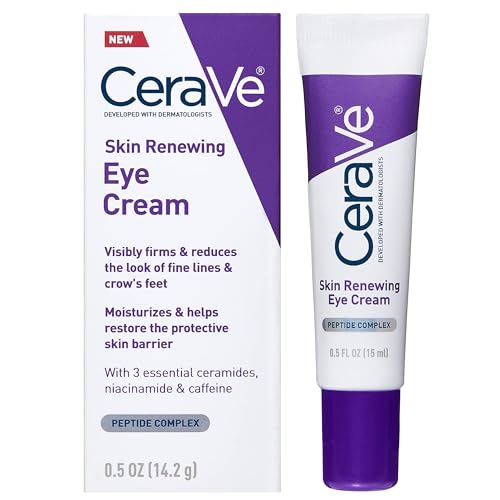
Under Eye Cream for Wrinkles: A Complete Buyer's Guide
Understand what causes under eye wrinkles, which ingredients actually work, and how to choose the right cream for your skin type — before you spend a cent.
SEE RECOMMENDED PRODUCTSWhat You'll Learn in This Guide
Why Wrinkles Form Under the Eyes
The skin around your eyes is among the thinnest on your entire body — roughly 0.5 millimeters thick, compared to about 2 millimeters on your cheeks. It also contains fewer oil glands, which means it dries out faster and shows signs of aging sooner. Understanding why wrinkles appear is the first step toward choosing a cream that actually addresses the root cause rather than just masking the surface.
Several factors work together to create fine lines and creases under the eyes:
- Collagen and elastin depletion: After your mid-twenties, natural collagen production declines by roughly 1% per year. The under-eye area, with its thin skin, loses structural support quickly, leading to creping and fine lines.
- Repeated expressions: Squinting, smiling, and blinking involve the orbicularis oculi muscle. Over time, these repeated movements etch dynamic lines that become static wrinkles.
- Sun damage: UV radiation breaks down collagen and elastin fibers while triggering free radical damage. The under-eye area is often neglected during sunscreen application, making it especially vulnerable.
- Dehydration: When the skin barrier is compromised, fine lines appear more pronounced. This is why wrinkles often look worse after a poor night's sleep or during dry winter months.
- Lifestyle factors: Smoking, alcohol consumption, poor sleep, and a diet lacking antioxidants all accelerate visible aging around the eyes.
If puffiness or dark circles accompany your wrinkles, you may benefit from a multi-targeted approach. Our guide to under eye masks for puffiness covers complementary treatments that work alongside a wrinkle-focused cream. Similarly, if discoloration is your primary concern, see our recommendations for top-rated under eye brighteners.
Key Ingredients That Actually Work
Not all eye creams are created equal. The ingredient list is where you separate marketing claims from clinical substance. Below are the active ingredients with the strongest evidence behind them for addressing under eye wrinkles.
Retinol & Retinoids
The gold standard for stimulating collagen production and smoothing fine lines. Encapsulated or low-concentration retinol is gentler for the delicate eye area. Start with two to three applications per week to build tolerance.
Peptides
Short chains of amino acids that signal the skin to produce more collagen and elastin. They are well-tolerated, making them ideal for sensitive skin or as a gentler alternative to retinol.
Hyaluronic Acid
A humectant that draws water into the skin, plumping fine lines and making them less visible. It provides immediate hydration benefits and pairs well with almost any other active ingredient.
Vitamin C
A potent antioxidant that neutralizes free radicals from UV exposure and supports collagen synthesis. Look for stabilized forms like sodium ascorbyl phosphate if you have sensitive skin.
Ceramides
Lipids that reinforce the skin barrier. Since the under-eye area lacks sufficient natural oils, ceramides help retain moisture and protect against environmental stressors.
Niacinamide
Improves skin elasticity, strengthens the barrier, and reduces transepidermal water loss. It also helps minimize the appearance of dark circles when used consistently.
For those concerned about hyperpigmentation alongside wrinkles, a vitamin C serum for dark circles can complement your eye cream. And if you are considering a more comprehensive anti-aging approach, exploring eye cream for wrinkles options beyond the under-eye area may be worthwhile.
Types of Under Eye Creams and Who They Suit
Under eye creams generally fall into a few broad categories based on their primary function and formulation texture. Identifying which category matches your skin type and primary concern will narrow down your choices considerably.
Hydrating Creams
These focus on moisture retention using humectants and emollients. They are best for people whose wrinkles are primarily caused by dehydration — often appearing as fine, crinkly lines that worsen in dry conditions. They provide immediate plumping but do not address structural collagen loss.
Anti-Aging Treatment Creams
Formulations containing retinol, peptides, or growth factors target collagen production and cellular turnover. These require more patience — typically 8 to 12 weeks for visible results — but deliver more meaningful long-term improvement in wrinkle depth and skin texture.
Firming and Lifting Creams
These often contain caffeine, DMAE, or botanical extracts that provide a temporary tightening effect. They are popular for morning use before events but should not be relied upon as a substitute for collagen-stimulating ingredients.
Multi-Action Formulas
Many modern eye creams combine hydration, anti-aging actives, and brightening agents in one product. These are convenient but may dilute the concentration of any single active. They suit people who prefer a simplified routine over maximum potency.
| Type | Best For | Key Actives | Texture |
|---|---|---|---|
| Hydrating Cream | Dehydration lines, dry skin | Hyaluronic acid, glycerin, ceramides | Rich cream or gel-cream |
| Anti-Aging Treatment | Structural wrinkles, collagen loss | Retinol, peptides, vitamin C | Lightweight cream or serum |
| Firming / Lifting | Temporary tightening, puffiness | Caffeine, DMAE, botanical extracts | Gel or lightweight lotion |
| Multi-Action | Combined concerns, convenience | Mix of hydrators and actives | Varies — often cream-gel |
How to Choose the Right Formula for Your Skin Type
Your skin type should dictate the texture and ingredient focus of your eye cream. Using the wrong formula can lead to irritation, milia (tiny white bumps), or simply disappointing results.
Dry Skin
Look for richer, cream-based formulas with ceramides, shea butter, and squalane. These ingredients seal in moisture and reinforce the skin barrier. Avoid lightweight gels that evaporate quickly and leave the area feeling tight. If your skin is very dry, consider layering a hydrating organic serum underneath your eye cream for added moisture retention.
Oily and Combination Skin
Choose gel or serum textures that absorb quickly without leaving residue. Hyaluronic acid-based formulas provide hydration without heaviness. Avoid heavy creams with occlusive ingredients that can migrate and cause breakouts on the upper cheeks.
Sensitive Skin
Patch-test everything. Look for fragrance-free, alcohol-free formulas built around peptides, niacinamide, and hyaluronic acid rather than strong retinol concentrations. If you want to try retinol, start with an encapsulated, low-strength version and apply it only two nights per week initially.
Mature Skin
Prioritize collagen-stimulating ingredients like retinol and peptides, combined with rich moisturizers. Mature skin around the eyes tends to be drier and thinner, so a cream that balances active ingredients with barrier support is ideal. You may also consider complementing your eye cream with a face cream that contains compatible actives for overall facial anti-aging.
Correct Application Technique
How you apply your eye cream matters as much as what you apply. The skin under your eyes is delicate, and rough handling can stretch it over time, potentially worsening the very wrinkles you are trying to address.
- Start with clean, dry skin. Apply your eye cream after cleansing and toning but before heavier moisturizers or facial oils.
- Use the ring finger. Your ring finger applies the least pressure of all your fingers, making it the safest choice for the eye area.
- Dot, don't rub. Place small dots of cream along the orbital bone — the bony ridge under the eye and along the brow bone. Avoid applying directly on the eyelid or too close to the lash line.
- Tap gently. Use a light tapping motion to spread the product from the inner corner outward. Never drag or pull the skin.
- Let it absorb before layering. Wait two to three minutes before applying concealer or other makeup to prevent pilling.
- Use morning and night. Most eye creams are designed for twice-daily use. If your formula contains retinol, use it only at night and apply sunscreen in the morning.
For a more comprehensive anti-aging routine that addresses the entire face, see our guide to the top skin care products and how they layer together.
Common Mistakes to Avoid
Even a high-quality under eye cream can underperform if you fall into these common traps:
- Expecting overnight results. Wrinkle improvement takes weeks to months. Hydration effects are visible sooner, but structural changes require patience and consistency.
- Applying too much product. A pea-sized amount per eye is sufficient. Excess cream can migrate into the eyes, causing irritation or puffiness.
- Using a facial moisturizer instead. Facial moisturizers are not formulated for the thinner, more sensitive under-eye skin. They may contain fragrances or active concentrations that are too strong.
- Skipping sunscreen. UV damage is a primary driver of under-eye aging. If you use a retinol-based eye cream, your skin becomes more photosensitive, making daily sun protection non-negotiable.
- Applying retinol too aggressively. More is not better. Overuse causes redness, peeling, and irritation that can actually make the area look worse. Build tolerance gradually.
- Ignoring the neck and décolletage. Aging does not stop at the jawline. Extend your anti-aging efforts downward to maintain a consistent appearance.
Building a Complete Eye Care Routine
An under eye cream works best as part of a broader routine that supports skin health from multiple angles. Here is a practical framework:
Morning Routine
- Cleanse with a gentle, hydrating cleanser.
- Apply a vitamin C-based eye cream or a hydrating formula with antioxidants.
- Follow with a lightweight facial moisturizer suited to your skin type.
- Finish with broad-spectrum sunscreen, carefully applying it around the eye area (use a mineral formula if chemical sunscreens sting your eyes).
Evening Routine
- Remove makeup thoroughly with a gentle cleanser or micellar water.
- Apply a retinol or peptide-rich eye cream (alternate nights if using retinol).
- Moisturize with a richer night cream if your skin is dry.
- Consider an under-eye patch or mask once or twice per week for an intensive treatment boost. Our guide to under eye patches for bags covers options that pair well with a wrinkle cream.
Lifestyle factors also play a significant role. Prioritizing beauty sleep, staying hydrated, and eating a diet rich in antioxidants all support your eye cream's effectiveness. For a holistic approach, explore our wellness resources on skin health diet and stress management.
If you are considering professional treatments alongside at-home care, our article on skin tightening treatments provides context on what in-office procedures can achieve relative to topical products.
Ready to Explore Your Options?
Browse curated under eye creams selected for their ingredient profiles and effectiveness against wrinkles.
VIEW PRODUCTS BELOWFrequently Asked Questions
What is the best under eye cream for wrinkles?
The best formula depends on your skin type and concern. Look for ingredients like retinol, peptides, hyaluronic acid, and vitamin C. Mid-range and premium products often have more stable formulations and clinical testing, but entry-level options can still provide effective hydration and barrier support. Focus on ingredient quality rather than brand name.
How long does it take to see results?
Hydration-related improvements — like plumping of fine dehydration lines — can be noticed within a few days. Structural changes, such as reduced wrinkle depth and improved skin firmness, typically require 8 to 12 weeks of consistent use. Retinol-based products may take longer as they work by stimulating collagen over time.
Can I use under eye cream for wrinkles on all skin types?
Yes, but formulation is key. Dry skin benefits from richer creams with ceramides. Oily or combination skin does better with lightweight gels. Sensitive skin should choose fragrance-free formulas built around peptides and hyaluronic acid rather than high-strength retinol.
What causes wrinkles under the eyes?
Under eye wrinkles result from collagen and elastin depletion, repeated facial expressions, UV damage, dehydration, and lifestyle factors like smoking and poor sleep. The under-eye skin's thinness makes it particularly susceptible to these influences.
Can I use retinol eye cream every night?
It is best to start with two to three nights per week and gradually increase as your skin builds tolerance. The under-eye area is delicate, and overuse of retinol can cause redness, flaking, and irritation. Always follow with a moisturizer and use sunscreen during the day.
Do under eye creams really work?
Yes, when they contain proven active ingredients and are used consistently. Hydrating creams improve the appearance of fine lines by plumping the skin, while treatment creams with retinol and peptides can produce measurable improvements in wrinkle depth over several weeks. However, no topical product can replicate the results of in-office procedures — realistic expectations are important.