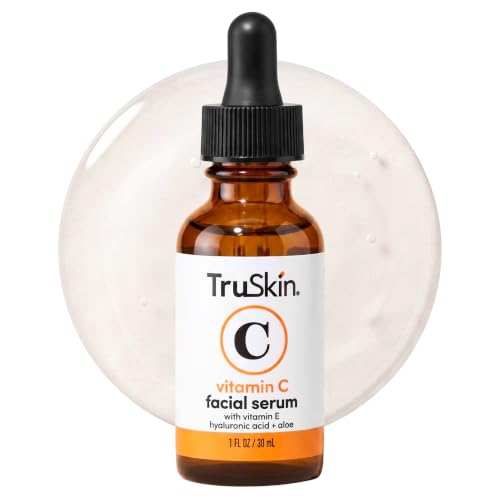
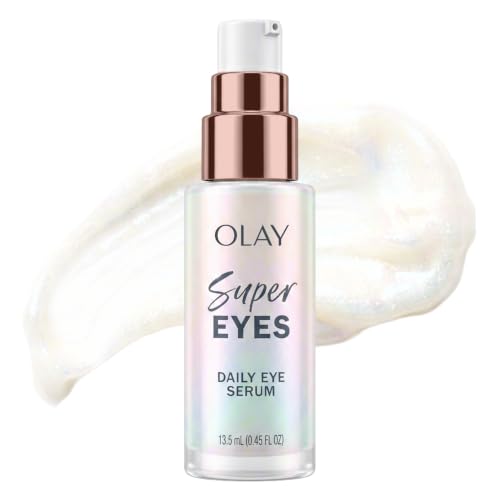
Dark circles under the eyes are one of the most common and frustrating skin concerns for adults of every age. While fatigue and genetics play a role, pigmentation and skin thinning often make dark circles look more pronounced. This is where vitamin C serum for dark circles has earned its reputation as a targeted, science-backed solution. In this guide, we explain how vitamin C works under the eyes, what to look for in a formula, and how to build a routine that delivers visible results.
If you are still exploring broader skincare options, our top skin care products overview is a helpful companion read. For readers who prefer a minimalist approach, minimalist skincare principles can also help you decide whether a dedicated eye serum deserves a place in your routine.
Why Dark Circles Appear Under the Eyes
Before choosing a serum, it helps to understand what you are actually treating. Dark circles are rarely caused by a single factor. Dermatologists typically categorize them into three main types:
- Pigmented dark circles: Caused by excess melanin production, often linked to sun exposure, genetics, or post-inflammatory hyperpigmentation. This is the type vitamin C serum addresses most effectively.
- Vascular dark circles: Caused by visible blood vessels and thin under-eye skin, which can appear bluish or purplish. Vitamin C can support collagen and skin thickness over time.
- Structural dark circles: Caused by shadows from hollowing or eye bags. These are best addressed with hydration, concealing, or professional treatments rather than topical serums alone.
Because vitamin C primarily targets pigmentation and collagen support, it is most beneficial for the first two categories. If your dark circles are predominantly structural, pairing a serum with a quality under-eye concealer or under-eye brightener will give you the most balanced result. For persistent puffiness, under-eye patches for bags can complement your serum routine.
Quick note: If your dark circles are accompanied by swelling, itching, or changes in skin texture, consult a dermatologist. Topical vitamin C is a cosmetic aid, not a medical treatment.
How Vitamin C Serum Works for Dark Circles
Vitamin C, also known as ascorbic acid, is a potent antioxidant with several mechanisms that directly benefit the under-eye area:
1. Inhibits Melanin Production
Vitamin C interferes with tyrosinase, the enzyme responsible for melanin synthesis. By slowing excess pigment production, it gradually helps fade pigmentation-related dark circles and prevents new discoloration from forming.
2. Neutralizes Free Radicals
Environmental stressors such as UV radiation and pollution generate free radicals that accelerate skin aging and pigmentation. Vitamin C neutralizes these free radicals, protecting the delicate under-eye skin from further damage.
3. Supports Collagen Synthesis
Vitamin C is a cofactor in collagen production. As under-eye skin thins with age, blood vessels become more visible. By supporting collagen, vitamin C can help maintain skin thickness and reduce the vascular appearance of dark circles over time.
4. Brightens Overall Skin Tone
Consistent use of vitamin C serum improves skin radiance and reduces dullness, making the under-eye area look fresher and more awake. If hyperpigmentation is widespread, you may also benefit from reading about vitamin C serum for hyperpigmentation.
For a deeper look at how vitamin C interacts with other actives, see our guide on vitamin C and retinol serum combinations.
Choosing the Right Vitamin C Serum for Dark Circles
Not all vitamin C serums are created equal. The under-eye area is thin and sensitive, so formula selection matters as much as concentration. Below is a practical breakdown of what to consider.
Concentration: Start Moderate, Build Gradually
Vitamin C serums typically range from 5% to 20% concentration. For the under-eye area, a moderate concentration between 10% and 15% is generally a sensible starting point. Beginners and sensitive skin types should begin with lower concentrations and increase only if the skin tolerates it well.
Form of Vitamin C: L-Ascorbic Acid vs. Derivatives
- L-ascorbic acid: The most researched and potent form, but also the most unstable and potentially irritating. Best for experienced users.
- Sodium ascorbyl phosphate: A stable, gentle derivative suitable for sensitive skin and beginners.
- Magnesium ascorbyl phosphate: Another stable derivative that offers brightening benefits with lower irritation risk.
- Ascorbyl glucoside: A slow-release derivative ideal for those who want gradual brightening without irritation.
Supporting Ingredients to Look For
- Hyaluronic acid: Provides hydration and plumps the under-eye area.
- Vitamin E (tocopherol): Enhances vitamin C stability and antioxidant synergy.
- Ferulic acid: Improves stability and boosts antioxidant protection.
- Niacinamide: Supports the skin barrier and reduces pigmentation.
- Caffeine: Helps temporarily reduce puffiness.
- Peptides: Support skin firmness and elasticity.
Packaging Matters
Vitamin C degrades with exposure to light and air. Choose serums packaged in opaque, airtight bottles with pump dispensers or droppers. Avoid clear jars or wide-mouth containers.
Quality Tiers at a Glance
| Tier | Typical Characteristics | Best For |
|---|---|---|
| Entry-level | Simple formulas, stable derivatives, basic packaging, fewer supporting actives | Beginners, sensitive skin, first-time vitamin C users |
| Mid-range | Balanced concentrations, added hyaluronic acid or vitamin E, better packaging | Regular users seeking reliable daily brightening |
| Premium | L-ascorbic acid with ferulic acid, advanced stability systems, clinical testing | Experienced users wanting maximum potency and research-backed formulas |
| Luxury | High-end formulations with peptides, encapsulated delivery, elegant textures | Those prioritizing texture, delivery technology, and premium experience |
These tiers describe relative market positioning and formulation complexity, not absolute quality. A well-formulated mid-range serum can outperform a poorly formulated premium one. If you have dry skin, our guide on vitamin C serum for dry skin covers hydrating options; if your skin is reactive, see vitamin C serum for sensitive skin.
How to Apply Vitamin C Serum Under the Eyes
Application technique significantly influences both results and tolerance. Follow these steps for a safe, effective routine:
- Cleanse gently. Use a mild cleanser and pat the skin dry. Avoid harsh exfoliants on the same day you apply vitamin C under the eyes.
- Apply to clean, dry skin. Vitamin C serums work best on slightly damp or dry skin, before heavier creams. Use only 1–2 drops for both eyes.
- Tap, don't rub. Use your ring finger to gently tap the serum along the orbital bone, starting from the inner corner outward. Avoid direct contact with the lash line and eyes.
- Wait briefly. Allow the serum to absorb for 1–2 minutes before applying moisturizer or eye cream.
- Layer with eye cream. Seal in hydration with a gentle eye cream. Our guide on under-eye cream for wrinkles explains which formulas pair well with vitamin C.
- Always finish with sunscreen. Vitamin C does not replace sun protection. Apply a broad-spectrum sunscreen every morning. See our body sunscreen and dedicated face sunscreen guides for options.
Morning vs. Night: When to Use Vitamin C Under Eyes
Vitamin C is most beneficial in the morning because it boosts antioxidant protection against daytime UV and pollution exposure. If your skin is sensitive, you can apply it at night instead. Avoid using it immediately after retinol or strong exfoliants on the same area to reduce irritation risk.
What Results to Expect and When
Vitamin C is not an overnight fix. Most users notice gradual improvements in brightness and skin tone within 4 to 8 weeks of consistent use. Pigmentation-related dark circles may take 8 to 12 weeks to visibly fade. Collagen-related benefits, such as improved firmness and reduced vascular appearance, typically require 3 to 6 months of regular use.
Consistency matters more than concentration. Applying a moderate serum daily is generally more effective than using a high-strength serum sporadically. Pair your serum with adequate sleep, hydration, and sun protection for the best overall outcome. Our guide on beauty sleep explains how rest supports skin recovery.
Common Mistakes to Avoid
- Using too much product: More serum does not mean faster results. One to two drops is sufficient for both eyes.
- Applying too close to the eyes: Keep the serum on the orbital bone to avoid irritation and stinging.
- Skipping sunscreen: Vitamin C without sun protection is far less effective and may even worsen pigmentation if the skin is exposed to UV.
- Mixing with strong acids: Avoid layering vitamin C with high-strength AHAs or BHAs directly under the eyes.
- Expecting structural changes: If your dark circles are caused by hollowing or shadows, topical serums will not replace professional treatments or concealer.
- Ignoring expiration: Oxidized vitamin C (brown or dark orange serum) is ineffective and potentially irritating. Discard it.
Complementary Under-Eye Products
A well-rounded under-eye routine often combines vitamin C with other targeted products. Consider these options based on your specific concern:
- Top-rated under-eye patches for occasional puffiness and hydration boosts.
- Under-eye patches for dark circles as a supplementary brightening treatment.
- Under-eye mask for puffiness for mornings when you need quick de-puffing.
- Under-eye concealer to instantly even out tone while your serum works over time.
If you prefer natural alternatives alongside vitamin C, our guides on aloe vera, rose water, and green tea skincare offer gentle complementary ingredients. For a complete natural approach, read natural skin remedies.
Frequently Asked Questions
Does vitamin C serum really work for dark circles?
Vitamin C serum can help brighten pigmentation-related dark circles and support collagen production, but results depend on the cause of your dark circles. It works best for hyperpigmentation and dullness, while structural shadows may require different treatments.
How often should I apply vitamin C serum under my eyes?
Start with once daily, preferably in the morning, and always follow with sunscreen. Sensitive skin types may begin with every other day to assess tolerance before increasing frequency.
Can I use vitamin C serum with retinol?
Yes, but it is best to use them at different times of day. Apply vitamin C serum in the morning and retinol at night to reduce irritation risk and maintain skin barrier health. Learn more in our vitamin C and retinol serum guide.
What concentration of vitamin C is best for dark circles?
Concentrations between 10% and 20% are commonly recommended. Beginners and sensitive skin types should start lower, while experienced users may benefit from higher concentrations with proper sunscreen use.
Can I use vitamin C serum if I have sensitive skin?
Yes, but choose a derivative form such as sodium ascorbyl phosphate or ascorbyl glucoside, and patch-test before applying near the eyes. Read our full guide on vitamin C serum for sensitive skin.
Is vitamin C serum safe to use every day?
For most skin types, daily use is safe and recommended. However, if you notice stinging, redness, or flaking, reduce frequency and consider a gentler derivative formula.
Final Thoughts
Vitamin C serum for dark circles is a worthwhile addition to a targeted under-eye routine, especially for pigmentation-related concerns. Success depends on choosing a formula appropriate for your skin type, applying it consistently with proper technique, and pairing it with sun protection and adequate rest. While no serum can erase structural shadows, a well-formulated vitamin C serum can gradually brighten, protect, and support the delicate skin around your eyes.
For broader skincare education, explore our skincare guides and getting started resources. If you would like to review our editorial and affiliate policies, visit our disclaimer and affiliate disclosure pages.