Vitamin C Serum for Sensitive Skin
Discover how to brighten, protect, and even out your complexion without triggering redness, stinging, or irritation. This complete guide covers gentle formulas, safe concentrations, and application strategies for reactive skin.
FIND YOUR GENTLE FORMULAWhy this guide matters: Sensitive skin reacts to more than just active ingredients. Fragrance, alcohol, pH level, and packaging all influence tolerance. If you have struggled with vitamin C serums in the past, the problem was likely the formulation rather than the ingredient itself. This guide explains exactly what to look for so you can enjoy vitamin C benefits without the burn.
Understanding Vitamin C and Sensitive Skin
Vitamin C is one of the most researched skincare ingredients in the world, praised for its ability to brighten dullness, support collagen production, and defend against environmental stress. However, traditional vitamin C serums are formulated with pure L-ascorbic acid at low pH, which can sting, flush, or irritate reactive skin. That does not mean sensitive skin should skip vitamin C entirely. It means you need to be more intentional about which form and concentration you use.
Sensitive skin is not a single condition. It can involve a compromised moisture barrier, rosacea-prone redness, eczema, or simply a tendency to react to strong actives. If your skin falls into any of these categories, understanding the difference between vitamin C derivatives and pure ascorbic acid is the first step toward building a routine that works. You may also benefit from reading our broader guide on top skin care products and our overview of minimalist skincare to avoid overloading your routine.
Pure L-Ascorbic Acid vs. Vitamin C Derivatives
L-ascorbic acid is the gold standard for research and visible results, but it is also the most likely to irritate sensitive skin. It requires a low pH (usually below 3.5) to penetrate effectively, and that acidity is what causes stinging and redness in reactive skin types. Derivatives such as sodium ascorbyl phosphate, magnesium ascorbyl phosphate, and ascorbyl glucoside are water-soluble, closer to skin-friendly pH levels, and significantly gentler. They may convert to active vitamin C more slowly in the skin, but they deliver gradual brightening with far fewer side effects.
If your skin barrier is already compromised, consider pairing your vitamin C choice with barrier-supporting ingredients. Our guide on face cream and our article on organic serum explain how to layer moisturizing and botanical actives without conflict.
Choosing the Right Vitamin C Serum
When shopping for a vitamin C serum for sensitive skin, look beyond the percentage on the label. The supporting ingredients and packaging matter just as much. Below is a comparison of the most common vitamin C forms so you can match the right one to your skin's tolerance level.
| Vitamin C Form | Gentleness | Best For | Typical Concentration |
|---|---|---|---|
| L-Ascorbic Acid | Low (most irritating) | Normal to oily, resilient skin | 10–20% |
| Sodium Ascorbyl Phosphate | High (very gentle) | Sensitive, acne-prone skin | 5–10% |
| Magnesium Ascorbyl Phosphate | High (very gentle) | Dry, reactive, rosacea-prone skin | 5–10% |
| Ascorbyl Glucoside | High (gentle, stable) | All sensitive skin types | 5–12% |
| Tetrahexyldecyl Ascorbate (THD) | Medium-high (oil-soluble) | Dry, mature, sensitive skin | 5–10% |
Ingredients to Avoid in a Sensitive Skin Serum
Even a gentle vitamin C derivative can be undermined by irritating co-ingredients. When reading labels, watch for high concentrations of denatured alcohol, synthetic fragrance, essential oils such as citrus or peppermint, and strong preservatives like methylisothiazolinone. These do not necessarily cause problems for everyone, but they increase the risk of contact irritation in reactive skin. A short, focused ingredient list is usually safer than a long one loaded with botanical extracts.
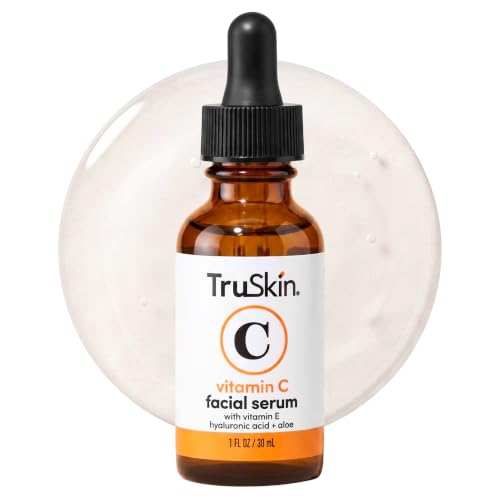
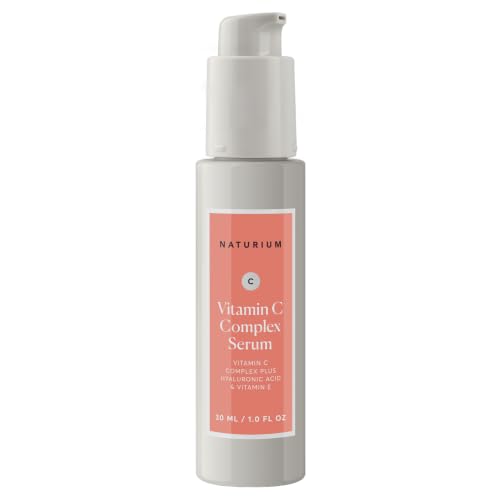
Packaging also matters. Vitamin C oxidizes when exposed to light and air, and oxidized serum turns yellow or brown and becomes more irritating. Choose opaque or airless pump bottles rather than clear droppers. If your serum changes color, it is time to replace it regardless of the expiration date.
How to Use Vitamin C Serum on Sensitive Skin
Application strategy can make the difference between glowing skin and a flushed, stinging face. Follow this step-by-step approach to introduce vitamin C safely.
- Patch test first. Apply a small amount behind your ear or on your jawline for three consecutive days. If no redness, itching, or stinging occurs, proceed to the face.
- Start low and slow. Use the serum two or three times per week for the first two weeks. Gradually increase to daily use only if your skin remains calm.
- Apply to clean, dry skin. Wait a few minutes after cleansing so your skin is not damp, which can increase penetration and irritation.
- Use a pea-sized amount. More product does not mean better results. A small amount is sufficient for the entire face and neck.
- Layer with a moisturizer. Follow with a gentle, fragrance-free moisturizer to support the barrier. Our guide to face cream offers suggestions for sensitive skin.
- Always wear sunscreen. Vitamin C supports UV protection, but it does not replace it. Finish your morning routine with a broad-spectrum sunscreen such as those discussed in our body sunscreen guide.
If you prefer evening application, that is also acceptable, but morning use paired with sunscreen offers the strongest defense against environmental damage. Avoid combining vitamin C with strong exfoliating acids or retinoids in the same routine step, as this can overwhelm sensitive skin. Our article on vitamin C and retinol serum explains how to sequence these actives safely.
Benefits of Vitamin C for Reactive Skin
When chosen and applied correctly, vitamin C offers several benefits that are especially valuable for sensitive skin types:
- Brightening: Helps fade post-inflammatory hyperpigmentation and uneven tone without the harshness of strong acids.
- Antioxidant defense: Neutralizes free radicals from pollution and UV exposure, which can trigger sensitivity flares.
- Barrier support: Some derivatives support collagen production and skin repair, strengthening the barrier over time.
- Redness reduction: Gentle forms like sodium ascorbyl phosphate may help calm inflammation associated with acne and rosacea.
If hyperpigmentation is your primary concern, you may also benefit from our guides on vitamin C serum for hyperpigmentation and dark spot remover. For dry or dehydrated skin, see our article on vitamin C serum for dry skin.
Common Mistakes to Avoid
Even with a gentle formula, certain habits can undermine your results. Watch out for these common pitfalls:
- Using too much product: A pea-sized amount is enough. Over-application increases irritation risk without improving results.
- Applying on damp skin: Water can increase penetration of acidic formulas, leading to stinging.
- Mixing with strong actives: Avoid layering vitamin C directly with high-percentage acids, benzoyl peroxide, or strong retinoids in the same step.
- Ignoring oxidation: A serum that has turned dark yellow or brown is oxidized and should be discarded.
- Skipping sunscreen: Vitamin C is not a substitute for sun protection. Always finish your morning routine with SPF.
If your skin reacts despite following these steps, step back and simplify. Our guide on minimalist skincare explains how to rebuild a routine with fewer products and lower irritation risk.
What to Look for When Buying
Use this checklist to evaluate any vitamin C serum before purchasing:
- Gentle derivative: Sodium ascorbyl phosphate, magnesium ascorbyl phosphate, or ascorbyl glucoside.
- Moderate concentration: 5–10% is ideal for sensitive skin. Higher percentages are not necessarily better.
- Minimal irritants: No synthetic fragrance, no denatured alcohol, no essential oils if you are highly reactive.
- Supportive ingredients: Look for hyaluronic acid, glycerin, panthenol, or niacinamide to buffer and hydrate.
- Protective packaging: Opaque or airless pump bottle to prevent oxidation.
- Clear expiration: A visible manufacture or expiry date helps you use the product before it degrades.
If you are also exploring organic and clean beauty options, our guides on clean beauty guide and vegan skincare can help you cross-reference ingredient philosophies with your tolerance needs.
Frequently Asked Questions
Can sensitive skin tolerate vitamin C serum?
Yes, sensitive skin can tolerate vitamin C serum when you choose gentle derivatives like sodium ascorbyl phosphate or magnesium ascorbyl phosphate, start with lower concentrations, and perform a patch test before full application.
What concentration of vitamin C is safe for sensitive skin?
Sensitive skin typically does best with concentrations between 5% and 10%. Starting low and gradually increasing allows your skin to build tolerance without triggering redness or stinging.
How often should sensitive skin use vitamin C serum?
Begin with two to three times per week and increase gradually to daily use if your skin tolerates it well. Morning application paired with sunscreen offers the best protection against environmental damage.
Which vitamin C derivative is gentlest for sensitive skin?
Sodium ascorbyl phosphate and magnesium ascorbyl phosphate are among the gentlest derivatives. They are water-soluble, stable, and less likely to cause stinging compared to pure L-ascorbic acid.
Can I use vitamin C serum with retinol if I have sensitive skin?
It is possible, but you should separate them into different routines. Use vitamin C in the morning and retinol at night, and introduce each active one at a time. Our guide on vitamin C and retinol serum explains safe sequencing.
What should I do if my vitamin C serum causes redness?
Stop using the product immediately, rinse with cool water, and apply a gentle moisturizer. Wait until your skin fully calms before trying a different formula, ideally a lower-concentration derivative. If redness persists, consult a dermatologist.