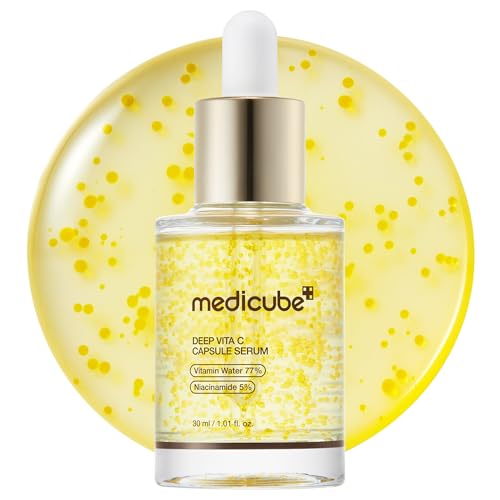
Vitamin C Serum for Dry Skin: Complete Guide & Tips
Discover how vitamin C serum can transform dry, dull skin into a hydrated, radiant complexion — and learn how to choose and apply the right formula for your skin type.
Why vitamin C matters for dry skin: Dry skin is often more vulnerable to environmental damage, dullness, and uneven tone. Vitamin C — a powerful antioxidant — helps neutralize free radicals, supports collagen production, and brightens the complexion. The key is choosing a formula that delivers these benefits without stripping your skin of precious moisture.
What Vitamin C Serum Does for Dry Skin
Vitamin C is one of the most researched skincare ingredients, and for good reason. It offers a range of benefits that are particularly valuable for dry skin types — but only when the formula is designed with hydration in mind. Unlike oily skin, dry skin often lacks the natural lipids needed to maintain a healthy barrier, making it more prone to irritation and moisture loss. A well-formulated vitamin C serum can support both brightening and barrier health.
- Brightens dull tone: Vitamin C helps reduce the appearance of uneven pigmentation and dullness, revealing a more radiant complexion.
- Supports collagen production: It plays a role in collagen synthesis, helping skin maintain firmness and elasticity over time.
- Antioxidant protection: Defends against free radicals from UV exposure and pollution that can accelerate visible aging.
- Enhances hydration when paired well: Formulations with hyaluronic acid or glycerin help dry skin retain moisture while delivering antioxidant benefits.
For dry skin specifically, the ideal vitamin C serum should combine brightening power with moisturizing ingredients. Pure L-ascorbic acid at lower concentrations — often between 10% and 15% — is generally better tolerated than high-dose formulas. Some people with dry or sensitive skin find that derivative forms like sodium ascorbyl phosphate or magnesium ascorbyl phosphate offer a gentler introduction to vitamin C. If your skin is easily irritated, you may also want to explore vitamin C serum for sensitive skin options that prioritize barrier support.
How to Choose the Right Vitamin C Serum for Dry Skin
Not all vitamin C serums are created equal. Dry skin needs a formula that balances potency with comfort. Here are the key factors to consider when shopping for a vitamin C serum:
Look for hydrating co-ingredients
The best vitamin C serums for dry skin include ingredients like hyaluronic acid, glycerin, vitamin E, or squalane. These help offset the potential drying effects of vitamin C and support the skin barrier. Some formulas also include ceramides or panthenol, which can be especially helpful for compromised or flaky skin. If you're building a routine, pairing your vitamin C serum with a tinted moisturizer for dry skin can help lock in hydration during the day.
Choose a concentration that suits your tolerance
Higher percentages are not always better — especially for dry skin. A 10–15% concentration is often sufficient for visible brightening benefits while minimizing the risk of irritation. If you're new to vitamin C, start with a lower percentage or a derivative formula and gradually work your way up. Those dealing with additional concerns like dark spots may benefit from exploring vitamin C serum for hyperpigmentation to target uneven tone.
Check the packaging
Vitamin C — particularly L-ascorbic acid — is prone to oxidation. Choose serums packaged in opaque or dark glass bottles with a pump or dropper dispenser to protect the formula from light and air. Avoid clear jars or wide-mouth containers that expose the serum to oxygen. Proper packaging helps maintain potency and ensures you get the most out of your serum.
Comparing vitamin C formula types for dry skin
| Formula Type | Best For | Considerations | Typical Tier |
|---|---|---|---|
| L-Ascorbic Acid (10–15%) | Dry skin seeking maximum brightening | Most potent form; may need a hydrating base to prevent irritation | Mid-range to premium |
| Sodium Ascorbyl Phosphate | Sensitive or reactive dry skin | Gentler derivative; stable and easy to tolerate | Entry-level to mid-range |
| Magnesium Ascorbyl Phosphate | Dry skin with uneven tone | Milder alternative; often combined with hydrating agents | Entry-level to mid-range |
| Vitamin C + Hyaluronic Acid | Very dry or dehydrated skin | Combines brightening with hydration; often well-tolerated | Mid-range to premium |
| Vitamin C + Vitamin E + Ferulic Acid | Dry skin wanting antioxidant synergy | Classic antioxidant trio; can be potent for sensitive skin | Premium to luxury |
How to Apply Vitamin C Serum for Best Results
The order and timing of your skincare application can significantly affect how well your vitamin C serum works. For dry skin, the goal is to layer products in a way that maximizes absorption while maintaining moisture.
Step 1: Cleanse gently. Start with a gentle, non-stripping cleanser. Avoid harsh foaming cleansers that can leave dry skin feeling tight. A cream or balm cleanser is often a better choice for dry skin types.
Step 2: Tone (optional). If you use a toner, choose one that is alcohol-free and hydrating. A hydrating organic toner can help prepare skin for the serum without stripping moisture.
Step 3: Apply vitamin C serum. Use 3–4 drops on clean, slightly damp skin. Press the serum gently into your face and neck rather than rubbing vigorously. Apply in the morning for antioxidant protection during the day.
Step 4: Moisturize. Follow with a rich moisturizer to seal in hydration. Dry skin benefits from moisturizers containing ceramides, fatty acids, or squalane. If you prefer a lighter option, a nourishing face cream can work well.
Step 5: Protect. Always finish your morning routine with a broad-spectrum sunscreen. Vitamin C and sunscreen work together synergistically — the antioxidant helps neutralize free radicals while sunscreen blocks UV damage. If you want a single product that combines coverage and protection, a tinted moisturizer with SPF could simplify your routine.
For an added hydration boost, consider incorporating a face mask for skin care into your weekly routine. Sheet masks or hydrating overnight masks can complement your vitamin C serum and help maintain a healthy moisture balance.
Building a Complete Routine for Dry Skin
Vitamin C serum is just one piece of the puzzle. A well-rounded routine for dry skin should include gentle cleansing, targeted treatment, hydration, and sun protection. Here's how a typical routine might look:
Morning: Gentle cleanser → hydrating toner → vitamin C serum → moisturizer → sunscreen.
Evening: Makeup remover or cleansing oil → gentle cleanser → hydrating serum or essence → richer night moisturizer or face cream → optional facial oil or sleeping mask.
Dry skin can also benefit from periodic use of a DIY face mask made with hydrating ingredients like honey and aloe vera. These at-home treatments can provide an extra layer of moisture without exposing skin to harsh chemicals. If you're interested in exploring natural options, our guide to natural beauty offers additional inspiration.
Remember that consistency matters more than complexity. A simple routine with high-quality, hydrating products — including your vitamin C serum — can yield visible results over time. For more foundational knowledge, refer to our getting started guide to build a routine tailored to your skin's needs.
Common Mistakes to Avoid
Even with the right product, certain habits can undermine your results. Here are common pitfalls to watch out for when using vitamin C serum on dry skin:
Using too much product: More is not better. A few drops are sufficient; over-applying can lead to irritation and waste.
Skipping moisturizer: Dry skin needs moisture to function properly. Vitamin C alone won't hydrate your skin — you need a moisturizer to lock in water and support the barrier.
Ignoring expiry and oxidation: Vitamin C serums degrade over time. If your serum has turned dark orange or brown, it has likely oxidized and lost potency. Store it in a cool, dark place and respect the expiration date.
Mixing with incompatible actives: Avoid layering vitamin C directly with strong acids (like AHA/BHA) or high-dose retinol in the same routine. These combinations can increase irritation, especially for dry skin. Instead, alternate them or use them at different times of day.
Neglecting sunscreen: Vitamin C supports skin health, but it is not a substitute for sun protection. Always use sunscreen to prevent UV damage and maintain your results.
Frequently Asked Questions
Can vitamin C serum be used on dry skin?
Yes, vitamin C serum can be used on dry skin, but formula selection matters. Choose serums that combine vitamin C with hydrating ingredients like hyaluronic acid, glycerin, or vitamin E to prevent irritation and maintain moisture. Start with a lower concentration and patch-test before full application.
What concentration of vitamin C is best for dry skin?
For dry skin, a concentration between 10% and 15% is typically ideal. Higher concentrations may cause irritation, especially if your skin barrier is compromised. Start with a lower percentage and gradually increase as tolerated. Derivative forms like sodium ascorbyl phosphate can be a gentler alternative.
When should I apply vitamin C serum in my routine?
Apply vitamin C serum in the morning after cleansing and toning, before moisturizer and sunscreen. This allows the antioxidant to help protect skin throughout the day from environmental stressors. If you prefer evening application, ensure you still use sunscreen during the day.
Can I use vitamin C serum with retinol?
Yes, but with caution. Vitamin C and retinol can be used together, but they may cause irritation if layered directly. Many skincare experts recommend using vitamin C in the morning and retinol at night, or alternating days. If you have dry or sensitive skin, monitor your skin's response and adjust accordingly.
How long does it take to see results from vitamin C serum?
Results vary by individual, but many people notice improved brightness and tone within 4–8 weeks of consistent use. Collagen support and barrier benefits may take longer to become visible. Consistency is key — use your serum daily as part of a well-rounded routine.
For more targeted solutions, you might also explore options like vitamin C serum for dark circles if you're concerned about under-eye brightness, or organic serum alternatives if you prefer natural formulations. And if you're curious about how other antioxidants fit into a dry skin routine, our article on vitamin E oil for face offers complementary insights.