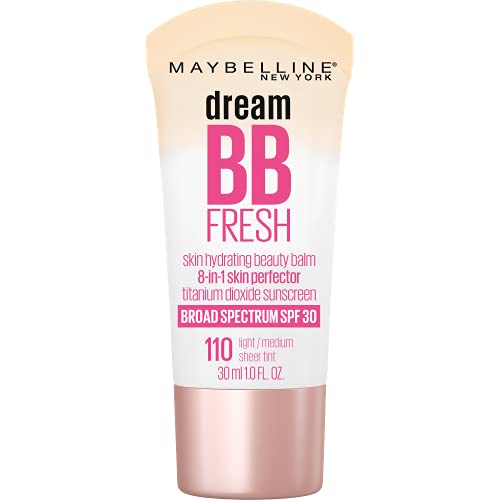
Tinted Moisturizer for Dry Skin: Hydration Meets Sheer Coverage
Dry skin deserves a base that nourishes while it perfects. Discover how the right tinted moisturizer can deliver a dewy, natural glow without clinging to flakes or settling into fine lines.
SEE TOP PICKSQuick Answer: The best tinted moisturizer for dry skin combines serious hydration with a sheer, buildable tint. Look for formulas featuring hyaluronic acid, glycerin, ceramides, squalane, or shea butter, and favor creamy, dewy textures over matte or oil-absorbing finishes. These formulas blur dryness, even out tone, and leave a healthy glow — perfect for everyday wear when you want coverage without the weight of foundation.
Whether you are layering over your favorite face cream or simplifying your routine with a minimalist skincare approach, this guide breaks down everything you need to choose, apply, and love a tinted moisturizer that works with dry skin rather than against it.
What You'll Learn
- What is a tinted moisturizer — and why it suits dry skin
- Key ingredients to look for (and avoid)
- How to choose the right formula for your dryness level
- Step-by-step application for a flawless, flake-free finish
- Tinted moisturizer vs. foundation vs. BB cream
- Pro tips for long-lasting hydration and coverage
- Frequently asked questions
What Is a Tinted Moisturizer — and Why It Suits Dry Skin
A tinted moisturizer is a hybrid skincare-meets-makeup product that combines a lightweight moisturizing base with a subtle wash of color. Unlike traditional foundation, it delivers sheer, breathable coverage designed to even out skin tone and soften imperfections while letting your natural skin show through. For dry skin, this category is especially appealing because the best formulas prioritize hydration and comfort over heavy pigment.
Dry skin tends to look dull, feel tight, and show flakiness or fine lines — all of which are exaggerated by matte, high-coverage foundations. A tinted moisturizer, by contrast, lays down a layer of moisture that plumps the skin and creates a smooth canvas. The sheer tint reflects light and adds a healthy radiance, making the complexion look fresh rather than masked.
Think of tinted moisturizer as the effortless middle ground between skincare and makeup. It is ideal for days when you want to look polished but natural, and it pairs beautifully with a tinted lip balm and a sweep of cream blush for a cohesive, no-makeup makeup look. If you have dry skin and have been frustrated by foundations that cling to patches, a tinted moisturizer may be the base you have been searching for.
Key Ingredients to Look For (and Avoid)
Not all tinted moisturizers are created equal — especially when dry skin is your concern. The ingredient list matters as much as the shade match. Here is what to prioritize and what to steer clear of.
Look For: Hydrating Heroes
- Hyaluronic acid: A humectant that draws water into the skin, plumping and smoothing the surface. Particularly helpful for dry, dehydrated skin that looks tired.
- Glycerin: A reliable, well-tolerated humectant that supports the skin barrier and keeps moisture locked in throughout the day.
- Ceramides: Skin-identical lipids that reinforce the moisture barrier, reducing water loss and protecting against environmental stress — essential for chronically dry skin.
- Squalane: A lightweight, non-comedogenic oil that mimics the skin's natural sebum, providing emollient comfort without greasiness.
- Shea butter and plant oils: Rich emollients that seal in moisture and add a cushiony feel, ideal for very dry or flaky areas.
- Niacinamide: Supports the barrier, calms redness, and improves texture — a bonus for uneven, dry complexions.
Avoid or Minimize: Drying Culprits
- Denatured alcohol: Can be drying and irritating, especially in high concentrations near the top of the ingredient list.
- Matte finish formulas: Oil-absorbing powders and mattifying agents can emphasize flakiness and make dry skin look dull.
- Heavy fragrance: May irritate sensitive, dry skin — opt for fragrance-free or gently scented formulas when possible.
- Salicylic acid in high amounts: While useful for some, it can be drying; dry skin types should use it cautiously in a tinted moisturizer.
How to Choose the Right Formula for Your Dryness Level
Dry skin exists on a spectrum — from mildly dehydrated to chronically flaky and tight. Matching the formula's richness and finish to your specific needs is key to a comfortable, long-wearing result. Use the tier descriptors below to orient yourself in the market without getting lost in marketing claims.
| Dryness Level | What to Look For | Finish | Market Tier |
|---|---|---|---|
| Mildly dry / dehydrated | Lightweight lotion texture with glycerin and hyaluronic acid; buildable sheer tint. | Natural to satin | Entry-Level |
| Moderately dry | Creamier formula with ceramides and squalane; medium-sheer coverage that blurs texture. | Dewy | Mid-Range |
| Very dry / flaky | Rich, balm-like texture with shea butter and plant oils; comfortable, cushiony wear. | Luminous / dewy | Premium |
| Dry + mature skin | Treatment-infused formula with peptides, niacinamide, and barrier-supporting lipids; avoids settling into fine lines. | Radiant | Luxury |
Beyond texture, pay attention to shade range and undertone. A tinted moisturizer should blend seamlessly into your skin — sheer coverage forgives slight mismatches, but an obvious line at the jaw is still a giveaway. Test on your jawline in natural light, and consider a formula with adaptable pigments if you are between shades.
If you also struggle with oiliness in the T-zone, explore a tinted moisturizer for oily skin to compare finishes and find a balance. And if you prefer a vegan or cruelty-free option, browse vegan skin care brands and cruelty-free beauty resources to align your purchase with your values.
Step-by-Step Application for a Flawless, Flake-Free Finish
Application technique can make or break the look of a tinted moisturizer on dry skin. Follow these steps to maximize hydration, minimize flakiness, and achieve a smooth, natural finish that lasts.
- Prep with gentle cleansing. Use a creamy, non-stripping cleanser to avoid compromising the skin barrier. Harsh foaming cleansers can leave dry skin tighter and more prone to flaking.
- Layer hydration. Apply a hydrating toner or essence, then a face serum while the skin is still slightly damp. This traps water in the skin and creates a smooth base.
- Moisturize strategically. Follow with a face cream suited to your dryness level. Let it absorb for a minute or two before applying makeup.
- Warm the tinted moisturizer. Squeeze a small amount onto the back of your hand and warm it with your fingertip. This makes it easier to spread evenly without tugging.
- Apply with fingertips or a damp sponge. Dot the product on your forehead, cheeks, nose, and chin, then press and blend outward. A damp beauty blender (or any makeup sponge) helps press the product into the skin for a seamless, skin-like finish.
- Build coverage only where needed. Use a second thin layer on areas of redness or uneven tone rather than applying a thick layer all over. Sheer coverage is the strength of this product — let it stay light.
- Spot-conceal if desired. For blemishes or dark circles, use a small amount of concealer only on targeted areas. Avoid heavy concealing under the eyes, which can emphasize dryness.
- Set selectively — or not at all. Dry skin usually does not need powder. If you must control shine, dust a minimal amount of finely milled powder on the T-zone only, or use a hydrating setting spray to lock everything in place.
Tinted Moisturizer vs. Foundation vs. BB Cream
Understanding how tinted moisturizer compares to other base products helps you choose the right tool for the occasion. Here is a clear breakdown:
| Product | Coverage | Hydration | Best For |
|---|---|---|---|
| Tinted Moisturizer | Sheer to light | High — designed to moisturize | Everyday wear, natural looks, dry skin |
| BB Cream | Light to medium | Moderate to high | Those wanting more coverage with skincare benefits |
| Foundation | Medium to full | Varies — many are matte | Special occasions, photography, full glam |
For dry skin, a tinted moisturizer is often the most comfortable daily choice. If you need more coverage for an event, consider layering a top-rated full coverage foundation only on areas that need it, or explore a vegan foundation if you prefer ethical options. A face primer for mature skin can also help smooth the base before applying any complexion product.
Pro Tips for Long-Lasting Hydration and Coverage
- Mist throughout the day. A hydrating facial mist or rose water spray refreshes makeup and revives moisture without disturbing coverage.
- Avoid touching your face. Oils from your hands can break down the tint and draw attention to dry patches. Keep hands clean and minimize contact.
- Exfoliate gently once or twice a week. Removing dead surface cells helps tinted moisturizer glide on smoothly. Look for gentle chemical exfoliants — not harsh scrubs — and follow with hydration.
- Use a hydrating setting spray. Instead of powder, a setting spray with glycerin or aloe locks makeup in place and adds a fresh, dewy finish.
- Choose the right tools. A damp sponge or clean fingertips work best for dry skin. Brushes can sometimes lift flakes; if you prefer a brush, use a foundation brush with soft, densely packed bristles and blend in pressing motions.
- Store products properly. Keep tinted moisturizer away from direct heat and sunlight to maintain texture and formula integrity.
- Patch-test new products. Especially if your skin is sensitive or reactive, test on a small area of the jawline before full application.
For a complete, nourishing routine, complement your tinted moisturizer with a gentle face mask skin care treatment once a week and consider an organic face oil at night to reinforce the moisture barrier.
Frequently Asked Questions
The best formula is one that combines hydrating ingredients like hyaluronic acid, glycerin, ceramides, or squalane with a sheer, buildable tint and a dewy finish. Creamy textures that feel comfortable and cushiony work best for dry skin, while matte or oil-absorbing formulas should be avoided because they can emphasize flakiness and fine lines.
Yes — tinted moisturizer is an excellent alternative to foundation for dry skin. It provides lightweight coverage while delivering hydration, making it ideal for everyday wear and natural-looking makeup. Keep in mind that it offers less coverage than traditional foundation, so for special occasions or areas that need extra coverage, you may want to spot-conceal or layer a lightweight foundation only where needed.
Start with a well-hydrated base: cleanse gently, apply a hydrating serum, and follow with a moisturizer suited to your dryness level. Apply tinted moisturizer with clean fingertips or a damp makeup sponge, pressing it into the skin rather than rubbing. Avoid powdering dry areas, and set only the T-zone if needed. Gently exfoliating once or twice a week also helps smooth the canvas.
Generally, no. Dry skin benefits from the dewy finish of tinted moisturizer, and powder can emphasize dryness. If you need to control shine, use a minimal amount of finely milled setting powder only on the T-zone, or use a hydrating setting spray instead to lock makeup in place without drying out the skin.
Yes, and you should. Apply your sunscreen as the final step of your skincare routine, let it absorb fully, then apply tinted moisturizer on top. Some tinted moisturizers contain SPF, but it is generally not enough for adequate protection on its own — using a dedicated sunscreen underneath ensures you get the full benefit of sun protection.