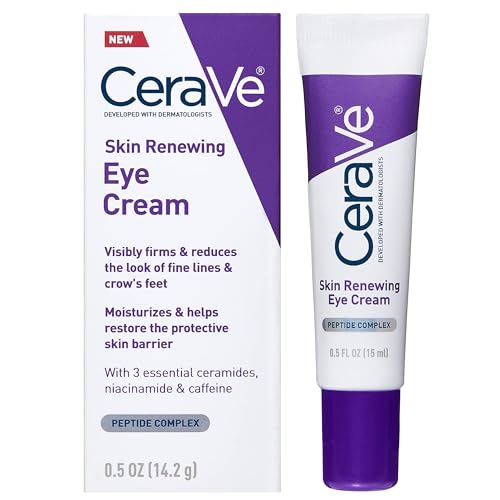
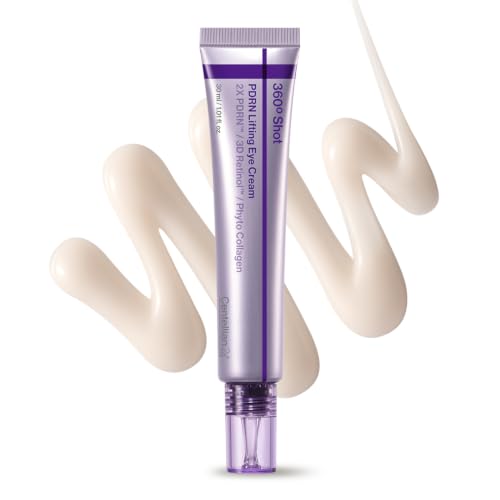
Eye Cream for Wrinkles: The Complete Guide to Smoother Eyes
Discover how to choose the right eye cream, understand key ingredients, and apply it correctly to visibly reduce fine lines and crow's feet — backed by expert insight.
SEE RECOMMENDED EYE CREAMSWhy This Guide Matters: The skin around your eyes is the thinnest on your entire face — up to 10 times thinner than the rest of your skin. It shows the first signs of aging, fatigue, and dehydration. This guide helps you understand exactly what to look for in an eye cream for wrinkles, so you can make an informed decision before you buy.
Key Takeaways
- Eye creams for wrinkles work best when they contain proven actives like retinoids, peptides, hyaluronic acid, and vitamin C.
- Consistency matters more than price — applying twice daily for 8–12 weeks delivers visible results.
- Texture and formulation should match your skin type: gel-creams for oily skin, richer creams for dry skin.
- Prevention is easier than correction — starting an eye cream routine in your late 20s or early 30s is ideal.
- Always patch-test and introduce retinoid-based eye creams gradually to avoid irritation.
Why Do Eye Wrinkles Appear?
The eye area is uniquely vulnerable to premature aging. Several factors combine to create fine lines, crow's feet, and under-eye crepiness:
- Thin, delicate skin: The periorbital skin loses moisture and elasticity faster than other areas. This is why a dedicated under-eye cream for wrinkles is essential — regular face moisturizer is often too heavy or not targeted enough.
- Repetitive facial expressions: Smiling, squinting, and blinking create dynamic lines that deepen over time into static wrinkles.
- Collagen and elastin depletion: After age 25, collagen production declines by roughly 1% per year, accelerating visible aging around the eyes.
- UV exposure: Sun damage breaks down collagen and elastin, making sunscreen and antioxidant protection non-negotiable.
- Dehydration and fatigue: Lack of sleep and poor hydration worsen the appearance of fine lines and make wrinkles look deeper.
Key Ingredients to Look for in an Eye Cream for Wrinkles
Not all eye creams are created equal. The most effective formulas combine multiple actives that address wrinkles from different angles. Here are the ingredients with the strongest evidence:
1. Retinoids (Retinol, Retinal, Retinyl Esters)
Retinoids are the gold standard for anti-aging. They accelerate cell turnover, stimulate collagen production, and smooth fine lines. For the eye area, opt for a gentle, encapsulated retinol or a retinaldehyde formula — these deliver results with less irritation. If you are new to retinoids, consider pairing with a vitamin C and retinol serum routine (used on the face, not the eye area) for full-face anti-aging benefits.
2. Peptides
Peptides are short chains of amino acids that signal the skin to produce more collagen. They are particularly well-tolerated and ideal for sensitive eye areas. Look for matrixyl, argireline, or copper peptides in the ingredient list.
3. Hyaluronic Acid
Hyaluronic acid draws moisture into the skin, plumping up fine lines and making them less visible. It is a humectant — meaning it attracts water — and works best when layered under a richer cream or occlusive.
4. Vitamin C
A potent antioxidant that brightens dark circles, boosts collagen, and protects against free radical damage. If you struggle with both wrinkles and dark circles, look for an eye cream that combines vitamin C with peptides or retinol.
5. Ceramides and Niacinamide
These strengthen the skin barrier and improve moisture retention. Niacinamide also helps with redness and pigmentation. They are excellent supporting ingredients in any eye cream for wrinkles.
6. Caffeine
Caffeine constricts blood vessels, reducing puffiness and temporarily tightening the skin. It is not a wrinkle treatment per se, but it improves the overall appearance of the eye area when combined with anti-aging actives.
How to Compare Eye Creams: A Practical Framework
When shopping for an eye cream for wrinkles, it helps to categorize products by their market positioning. Below is a framework that uses universal quality tiers — no prices, just relative positioning — so you can compare products based on what they offer.
| Quality Tier | Typical Formulation | Best For | What to Expect |
|---|---|---|---|
| Entry-Level | Basic hydration with hyaluronic acid, glycerin, or simple peptides. Fewer actives, simpler formulations. | Prevention, early fine lines, sensitive skin, first-time eye cream users. | Improved hydration and smoother texture within 2–4 weeks. Limited effect on established wrinkles. |
| Mid-Range | Combination of peptides, niacinamide, vitamin C, and sometimes gentle retinoids. Better texture and absorption. | Visible fine lines, crow's feet, early signs of aging, combination skin. | Noticeable smoothing and brightening within 4–8 weeks with consistent use. |
| Premium | Encapsulated retinol, advanced peptide complexes, antioxidants, and barrier-repair ingredients. Clinical testing often cited. | Established wrinkles, deep crow's feet, mature skin, users who want faster results. | Visible reduction in wrinkle depth and firmness within 8–12 weeks. Better tolerance with advanced delivery systems. |
| Luxury | Rare or patented actives, sophisticated delivery systems, elegant textures, often with spa-like experience. | Mature skin, users who value sensorial experience and cutting-edge formulation. | Similar or slightly better results than premium, with superior texture and user experience. |
Key insight: Moving from entry-level to mid-range often delivers the most noticeable jump in results for most users. Premium and luxury tiers offer refinement and advanced actives, but the core ingredients — retinoids, peptides, and hyaluronic acid — remain the foundation at every level.
How to Apply Eye Cream for Wrinkles (Step-by-Step)
Application technique matters as much as the product itself. Here is the correct method:
- Cleanse gently: Use a mild cleanser and pat dry. Avoid tugging the eye area.
- Use the right amount: A pea-sized amount for both eyes is enough. More product does not mean better results.
- Dab, don't rub: Use your ring finger (the weakest finger) to gently tap the cream along the orbital bone — from under the eye outward toward the temples. Avoid applying directly on the eyelid unless the product specifies it is safe for that area.
- Layer correctly: Apply eye cream after serum but before moisturizer. If using a retinoid eye cream, apply it at night only and follow with a gentle moisturizer.
- Be consistent: Use morning and night for best results. Wrinkle reduction is cumulative — expect 8–12 weeks for visible improvement.
Common Mistakes When Using Eye Cream for Wrinkles
- Using too much product: Excess cream can migrate into the eyes and cause irritation or puffiness. Stick to a pea-sized amount.
- Applying too close to the lash line: The product can seep into the eyes. Apply along the orbital bone instead.
- Expecting overnight results: Eye creams take time. Collagen remodeling and wrinkle reduction require consistent use for at least 8 weeks.
- Skipping sunscreen: UV damage is the #1 cause of premature skin aging. No eye cream can undo unprotected sun exposure. Pair your routine with a sunscreen for full protection.
- Using a face cream as an eye cream: Face creams are often too rich or contain ingredients that are too potent for the delicate eye area. A dedicated eye cream is formulated with the right concentration and texture.
Lifestyle Factors That Support Eye Cream Results
Eye cream is only one part of the equation. These lifestyle habits amplify your results:
- Sleep: Aim for 7–9 hours of quality sleep. Beauty sleep is real — poor sleep accelerates visible aging around the eyes.
- Hydration: Drink plenty of water and use a humidifier in dry climates. Hydrated skin shows fewer fine lines.
- Sun protection: Wear sunglasses and apply sunscreen daily. UV exposure breaks down collagen and elastin.
- Diet: A diet rich in antioxidants, omega-3 fatty acids, and vitamins supports skin health. Consider a skin health diet for long-term benefits.
- Stress management: Chronic stress raises cortisol, which accelerates collagen breakdown. Practices like mindfulness and meditation can help.
Frequently Asked Questions About Eye Cream for Wrinkles
At what age should I start using an eye cream for wrinkles?
Most dermatologists recommend starting in your mid-to-late 20s or early 30s, when collagen production begins to decline and the first fine lines appear. However, prevention is beneficial at any age — even a basic hydrating eye cream helps maintain skin health.
Can eye cream really remove wrinkles?
No eye cream can permanently remove wrinkles, but the best ones can visibly reduce their appearance, soften fine lines, and prevent new ones from forming. Results depend on the ingredients, consistency of use, and lifestyle factors.
How long does it take to see results from an eye cream for wrinkles?
Hydration-based improvements may be visible within a few days. For actual wrinkle reduction, expect 8–12 weeks of consistent twice-daily use. Retinoid-based eye creams may take longer as the skin adjusts.
Is it safe to use retinol eye cream every day?
Start slowly — 2–3 times per week — and gradually increase as your skin tolerates it. Some people can use retinol eye cream nightly, while others with sensitive skin may need to alternate nights. Always use sunscreen during the day.
Can I use the same eye cream for dark circles and wrinkles?
Yes, many eye creams are formulated to address both concerns. Look for ingredients like vitamin C (for brightening), caffeine (for puffiness), and retinoids or peptides (for wrinkles). If dark circles are your primary concern, you may also benefit from a top-rated under-eye brightener or concealer.
Are expensive eye creams better than affordable ones?
Not necessarily. What matters most is the formulation — the type and concentration of active ingredients, the delivery system, and whether the product is suitable for your skin type. Many mid-range eye creams deliver excellent results, while some premium products offer more elegant textures and advanced actives.
Ready to Choose Your Eye Cream?
Browse our curated selection of eye creams for wrinkles, organized by quality tier and skin concern. Each product is chosen based on ingredient quality, user reviews, and formulation integrity.
VIEW RECOMMENDED PRODUCTS