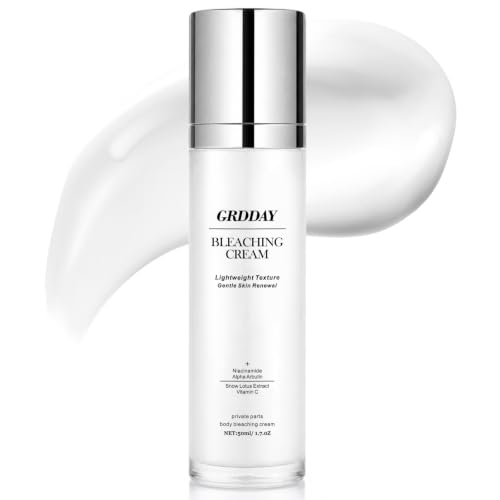
Skin Bleaching Cream: A Complete Guide to Safe, Even-Toned Skin
Understand how skin bleaching creams work, which ingredients actually deliver results, and how to brighten dark spots and uneven tone without compromising your skin barrier.
EXPLORE INGREDIENTS & TIPSBuying research made simple: If you already know you want a skin bleaching or brightening cream but feel overwhelmed by conflicting claims, this guide breaks down the science, the safety rules, and the realistic expectations — so you can choose a formula with confidence.
What Is a Skin Bleaching Cream?
A skin bleaching cream is a topical product designed to reduce excess melanin in the skin, which helps fade dark spots, post-acne marks, sun-induced pigmentation, and uneven patches. Unlike a simple moisturizer, these creams contain active ingredients that interrupt the pigmentation process at different stages — from melanin production to the transfer of pigment to the skin's surface.
It helps to separate two terms that are often confused. Bleaching creams traditionally aim to lighten overall skin tone, while brightening creams focus on fading discoloration and evening out tone without altering your natural complexion. Modern dermatology favors the brightening approach because it is gentler and better suited to long-term use. Many products marketed as bleaching creams today are actually brightening formulas built around safer actives. If your concern is isolated dark patches rather than overall tone, a dedicated dark spot corrector or dark spot remover may be a more targeted choice.
It is also important to set realistic expectations. A quality brightening cream can visibly improve tone and fade spots over weeks, but it will not change your genetic skin color, and it should never be used to pursue an unnatural shade. The goal is healthy, even, radiant skin — not a different complexion. For a broader look at complementary treatments, see our guide to the top skin care products and skin tightening treatments.
Key Ingredients That Actually Work
The effectiveness of any skin bleaching cream comes down to its actives. Below are the most researched brightening ingredients, grouped by how they work and how gentle they are for daily use.
Niacinamide (Vitamin B3)
A mid-tier workhorse that reduces the transfer of pigment to skin cells while strengthening the barrier. Well tolerated by most skin types and easy to layer with other actives.
Vitamin C
An antioxidant that interrupts melanin production and brightens dullness. Stabilized derivatives are the entry-level choice; higher-concentration serums sit in the premium tier.
Kojic Acid
Derived from fungi and fermented foods, kojic acid inhibits tyrosinase, the enzyme responsible for melanin synthesis. Effective for melasma and sun spots but can be sensitizing at high concentrations.
Azelaic Acid
Prescription-strength versions exist, but over-the-counter formulas are effective for post-acne marks and rosacea-related redness. A strong option for sensitive or acne-prone skin.
Alpha Arbutin
A gentler relative of hydroquinone that slowly fades pigmentation. Considered a safer long-term alternative for those who cannot tolerate stronger lighteners.
Hydroquinone
The most potent melanin inhibitor available. Effective but controversial — best used under professional supervision, in cycles, and never combined with harsh exfoliants.
Tranexamic Acid
Increasingly popular for stubborn melasma and post-inflammatory hyperpigmentation. Pairs well with niacinamide and vitamin C for a layered brightening routine.
Licorice Root Extract
A botanical brightener with soothing properties. An affordable entry-level option for sensitive skin that needs gradual, low-irritation tone correction.
For a closer look at specific actives, our guides on tranexamic acid for skin and vitamin C serum for hyperpigmentation explain how to layer them safely. If you prefer botanical-led formulas, explore natural skin remedies and herbal skincare.
How to Use a Skin Bleaching Cream Correctly
Technique matters as much as the product. A disciplined routine maximizes results and minimizes irritation.
- Patch test first. Apply a small amount to the inner forearm and wait 48 hours. Check for redness, stinging, or swelling before using it on your face.
- Start with clean, dry skin. Use a gentle cleanser and pat dry. Avoid harsh scrubs or exfoliating acids on the same day you apply a strong brightening cream.
- Apply a thin, even layer. More product does not mean faster results — it increases irritation risk. Focus on areas of discoloration rather than the entire face unless the label directs otherwise.
- Follow with moisturizer. A barrier-supporting moisturizer helps offset dryness caused by actives. A simple face cream or an organic face cream works well.
- Never skip sunscreen. UV exposure reverses progress faster than any cream can fix it. A broad-spectrum sunscreen or mineral sunscreen is non-negotiable during brightening treatment.
- Cycle stronger actives. If using hydroquinone or high-percentage acids, follow a cycle schedule — typically a few months on, then a break — and consult a professional for guidance.
- Be patient and consistent. Visible improvement usually takes four to eight weeks. Deeper pigmentation may require up to twelve weeks of steady use.
Ready to compare formulas? Browse our curated selection of brightening and tone-correcting creams below, chosen for ingredient transparency and safety.
VIEW RECOMMENDED PRODUCTSBleaching vs. Brightening: What's the Difference?
Choosing the right product starts with understanding what you actually want to achieve. The table below compares the two categories on the factors that matter most for buying decisions.
| Factor | Bleaching Cream | Brightening Cream |
|---|---|---|
| Primary Goal | Lighten overall skin tone | Fade spots and even out tone |
| Typical Actives | Hydroquinone, strong tyrosinase inhibitors | Niacinamide, vitamin C, alpha arbutin, licorice |
| Irritation Risk | Higher; requires supervision | Lower; suitable for daily use |
| Best For | Stubborn, resistant pigmentation under professional care | Post-acne marks, sun spots, dullness, uneven tone |
| Long-Term Use | Cycled, not continuous | Can be used continuously with sun protection |
| Market Tier | Entry-level to professional | Budget-friendly to premium |
Safety Rules You Should Never Skip
Brightening ingredients are active ingredients. Treat them with the same respect you would give any treatment product.
Essential Safety Checklist
- Patch test every new product before full-face application, even if you have used similar formulas before.
- Avoid combining strong actives such as hydroquinone with retinoids or high-percentage exfoliating acids unless a professional has approved the combination.
- Do not use bleaching creams on broken, irritated, or sunburned skin. Wait until the barrier has recovered.
- Stop immediately if you experience persistent redness, burning, or darkening of the treated area — this can be a sign of irritation-induced pigmentation.
- Consult a dermatologist for melasma, pregnancy-related pigmentation, or any pigmentation that changes shape or color unexpectedly.
- Verify ingredient disclosure. Choose products that list full concentrations and avoid unregulated formulas with unknown whitening agents.
- Protect your skin daily. No brightening cream outperforms consistent UV protection — see our body sunscreen and after sun lotion guides for full-body care.
Complementary Steps for Better Results
A brightening cream works best as part of a broader routine. Gentle exfoliation once or twice a week helps remove pigmented surface cells, while barrier-supporting products keep irritation low. A facial cleansing brush can improve cleansing without aggressive scrubbing, and a jade roller or ice roller can calm the skin after application.
Nutrition and lifestyle also influence skin tone. Our guides on skin health diet and anti-inflammatory diet explain how diet supports a clearer, more even complexion, while beauty sleep covers why rest matters for skin repair. If you are building a complete routine, pair your brightening cream with a face serum and a tinted moisturizer or tinted moisturizer for dry skin for daytime protection and coverage.
For a minimalist approach, the minimalist skincare philosophy suggests using fewer, better-formulated products — often the smartest path when treating pigmentation. If you prefer clean formulas, explore non-toxic skincare, vegan skincare, and cruelty-free beauty to align your brightening routine with your values.
Frequently Asked Questions
Are skin bleaching creams safe for daily use?
Gentle brightening creams formulated with niacinamide, vitamin C, or kojic acid are generally safe for daily use when following the label directions. Stronger formulas containing hydroquinone should only be used under professional guidance and for limited periods.
How long does it take to see results from a skin bleaching cream?
Most brightening creams require four to eight weeks of consistent use before noticeable changes appear. Deeper pigmentation may need up to twelve weeks, and results always depend on the ingredient strength, skin type, and daily sun protection.
What is the difference between bleaching and brightening creams?
Bleaching creams aim to lighten overall skin tone by reducing melanin production, while brightening creams focus on fading dark spots and evening out tone without changing your natural complexion. Brightening formulas are usually gentler and better suited to long-term use.
Can I use a skin bleaching cream on sensitive skin?
Yes, but choose fragrance-free formulas built around niacinamide, azelaic acid, or licorice root extract, and always perform a patch test on the inner arm for 48 hours before applying to the face.
Can I use a bleaching cream with retinol or exfoliating acids?
Only with caution and preferably under professional advice. Combining strong lighteners with retinoids or high-percentage acids increases irritation risk, which can paradoxically worsen pigmentation. Alternate nights or use gentler brightening actives instead.
Do I need to use sunscreen while using a brightening cream?
Yes — daily broad-spectrum sun protection is essential. UV exposure stimulates melanin production and can undo weeks of progress in a single afternoon, especially when using actives that increase photosensitivity.