Makeup Artist Tools & Kits: Your Complete Professional Guide
Master the art of professional makeup with the right tools. Learn how to build a makeup artist kit that delivers flawless, long-lasting results for every client and occasion.
START YOUR JOURNEYWhy Tools Matter: A makeup artist's kit is their most valuable asset. The right tools don't just make application easier—they determine the final result. From brush quality to product selection, every item in a professional kit serves a specific purpose. Whether you're building your first kit or upgrading your collection, understanding the tools of the trade is essential for achieving consistent, professional results.
Understanding the Professional Makeup Artist Toolkit
A professional makeup artist's toolkit is far more extensive than what a typical beauty enthusiast owns. It's built for versatility, hygiene, and efficiency in high-pressure environments like weddings, photo shoots, and fashion shows. The foundation of any makeup artist kit starts with makeup artist tools that can handle diverse skin types, tones, and textures.
When building your kit, consider the types of clients you'll serve. A bridal makeup artist needs different tools than one who specializes in editorial or film work. Bridal artists typically require long-wearing products and tools for creating wedding makeup looks that photograph beautifully and last through tears and celebrations. Editorial artists, on the other hand, focus on versatility and the ability to create bold, artistic looks.
Regardless of your specialty, certain core tools form the backbone of every professional kit. These include a comprehensive brush set, quality makeup sponges, a professional makeup palette with diverse shades, and proper storage solutions like a travel case or makeup case to protect your investment.
Essential Brushes Every Makeup Artist Needs
Brushes are the workhorses of any makeup artist's kit. The quality of your brushes directly impacts application, blending, and the final look. Professional makeup artists typically carry multiple sets of brushes—one for their personal kit and backup sets for busy days or specific techniques.
Start with these essential brushes:
- Foundation Brush: A synthetic bristle brush for liquid and cream foundations. Look for one with densely packed, soft bristles that blend seamlessly. Entry-level options work for beginners, while premium brushes offer precision and durability for professionals.
- Powder Brush: A large, fluffy brush for setting makeup with loose or pressed powder. This brush should distribute product evenly without disturbing the foundation underneath.
- Blush Brush: A medium-sized, angled brush for precise blush application. The angle helps sculpt cheekbones and blend color naturally.
- Eyeshadow Brush: You'll need multiple eyeshadow brushes—a flat shader brush for packing color, a blending brush for seamless transitions, and a detail brush for precision work.
- Concealer Brush: A small, flat brush for targeted concealer application, especially around the eyes and blemishes.
- Liner Brush: An angled or fine-tipped brush for gel liners and precise detailing.
When it comes to brush quality, there's a clear distinction between entry-level, mid-range, premium, and luxury tiers. Entry-level brushes use basic synthetic bristles and handles—suitable for beginners learning techniques. Mid-range brushes offer better bristle density and longevity. Premium brushes feature high-quality natural or advanced synthetic fibers with precision-cut shapes. Luxury brushes provide an exceptional application experience with ergonomic handles and superior craftsmanship.
Brush Care and Maintenance
Professional makeup artists clean their brushes regularly to maintain hygiene and performance. A brush dryer speeds up drying time and helps maintain brush shape. For quick cleaning between clients, consider a brush cleaner spray or wipe. Proper care extends the life of your brushes and prevents bacteria buildup—essential for client safety.
Building Your Professional Makeup Kit
A complete makeup artist kit goes beyond brushes. It includes a curated selection of products for every skin type and concern. Here's what to include:
Base and Complexion Products
Your foundation lineup should include a range of shades and finishes to accommodate different clients. Include liquid foundation for a natural finish and hydrating foundation for mature skin. For clients with dry skin, a hydrating foundation for dry skin is essential. Keep a Korean cushion foundation for quick touch-ups and a dewy finish.
Concealers in multiple shades for color correction and coverage are non-negotiable. Include green corrector for redness, peach for dark circles, and standard concealers for blemishes and spots. For clients with acne-prone skin, a makeup for acne selection with non-comedogenic formulas is important.
Eye and Lip Products
A diverse makeup palette with neutrals and bold shades covers most looks. Include Korean mascara for natural definition and a long-lasting mascara for events. Keep a selection of lip plumper gloss and classic lipsticks for variety.
For clients with sensitive eyes, hypoallergenic makeup for sensitive eyes is a must-have in your kit. This consideration demonstrates professionalism and client care.
Setting and Finishing Products
A makeup setting spray for oily skin keeps makeup in place during long events. For dry skin, a hydrating setting spray works better. Include makeup remover for waterproof makeup for quick cleanups and post-event removal.
Makeup Artist Tools for Precision and Efficiency
Beyond brushes and products, certain tools elevate a makeup artist's efficiency and precision:
LED Makeup Mirror
A LED makeup mirror with lights ensures accurate color matching and precise application. Professional artists prefer mirrors with adjustable lighting to simulate different environments—from natural daylight to evening event lighting. A light-up magnifying makeup mirror helps with intricate eye work and detail.
Makeup Sponges
Quality beauty blenders and makeup sponges are essential for blending foundation seamlessly. Professional artists keep multiple sponges for different clients and techniques. Damp sponges work best for liquid products, while dry sponges suit powder application.
Makeup Cases and Storage
Organized storage protects your investment and improves efficiency. A professional makeup case with compartments keeps products accessible during sessions. Makeup organizers for vanities help maintain order at home or in-studio. For travel, a travel case with sturdy construction is essential.
Professional Brush Sets
A premium brush set with a protective roll or case is a professional investment. Luxury brush sets include specialized brushes for contouring, highlighting, and intricate eye work. The difference between mid-range and luxury brushes lies in bristle quality, precision, and longevity.
Setting Sprays
A setting spray for oily skin locks makeup in place and controls shine. Professional artists use setting sprays as the final step to ensure longevity. For weddings, a heavy-duty setting spray is non-negotiable.
Makeup Remover
A makeup remover and waterproof makeup remover are essential for cleaning brushes and removing makeup after events. Makeup wipes offer quick cleanup between clients.
Specialized Makeup Artist Services and Tools
Many makeup artists expand their services to include specialized treatments that require additional tools and training. Understanding these services helps you decide whether to add them to your repertoire:
Lash Services
Offering lash services can significantly increase your revenue per client. A lash lift provides natural curl without extensions, ideal for clients who want a low-maintenance enhancement. A lash lift and tint combines lifting with color for more dramatic results. Understanding how long tinted lashes last helps you set client expectations accurately.
For clients interested in extensions, lash extensions that look natural are increasingly popular. A Korean lash lift is another option for clients seeking a gentle enhancement. If you offer hybrid options, you'll need to explain the lash lift vs lash extensions comparison to help clients choose.
For clients with existing extensions, recommend a lash serum for lash extensions to maintain lash health. A lash remover for lash extensions is essential for safe removal during appointments.
Brow Services
Laminated brows and laminated eyebrows are popular services that require specialized tools and training. These treatments create fuller-looking brows and are excellent additions to a makeup artist's service menu.
Lip and Skin Treatments
Some makeup artists offer lip blushing services—a semi-permanent tattoo technique that enhances lip color. Understanding the lip blushing before and after results helps you explain the process to clients. For clients with chapped lips, recommend a lip balm for dry lips as prep before lip color application.
Professional Development and Expanding Your Kit
As a makeup artist grows in their career, their kit evolves. What starts as a basic set of tools expands to include specialized products for different genres, techniques, and client needs. Consider these areas for kit expansion:
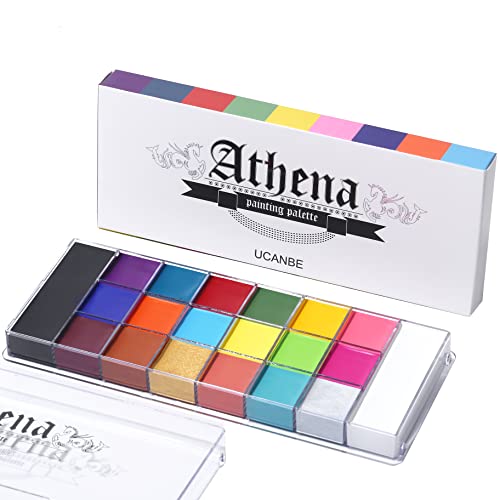
Editorial and Fashion: Invest in bold, pigmented products, cream color palettes, and mixing tools. These allow you to create artistic looks for photo shoots and runway work.
Special Effects: SFX makeup requires specialized tools like alcohol-activated palettes, sculpting wax, and airbrush systems. This niche demands training and a separate kit.
Bridal and Special Events: Long-wear products, waterproof formulas, and touch-up kits for clients are essential. A professional bridal makeup kit focuses on durability and photographability.
Men's Grooming: Serving male clients requires different products—matte finishes, beard care items, and products for skin care under beard. Understanding men's hygiene routine helps you offer comprehensive services.
Staying Updated on Products and Techniques
The beauty industry evolves rapidly. New makeup products launch constantly, and techniques improve. Successful makeup artists stay current by:
- Following luxury makeup brands and makeup brands for new releases
- Testing products from Korean beauty brands and makeup shops
- Attending workshops and masterclasses
- Practicing new techniques on friends and family
- Reviewing makeup sale events for kit expansion opportunities
For beginners, a make up for beginners kit provides a foundation to build upon. As skills develop, upgrade individual items rather than replacing everything at once.
Makeup Artist Essentials for Different Client Needs
Every client presents unique challenges and requirements. A well-stocked kit anticipates these needs:
For Dry Skin Clients
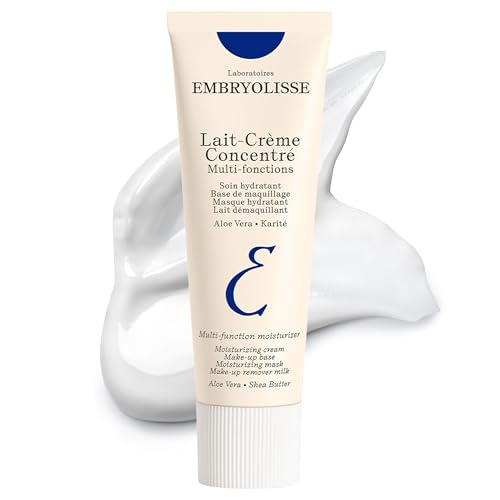
Use hydrating cleanser for dry skin and hydrating toner for dry skin as prep. A Korean moisturizer for dry skin provides an excellent base. Recommend Korean skin care products for dry skin for home care between appointments.
For Sensitive Skin Clients
Always patch-test and use Korean moisturizer for sensitive skin and Korean toner for sensitive skin as gentle prep. Choose fragrance-free, hypoallergenic products to minimize reactions.
For Mature Skin
Hydrating foundation for mature skin and light foundation for mature skin avoid settling into fine lines. Use cream-based products rather than powders for a more youthful finish.
For Dark Spots and Hyperpigmentation
Color correction and full-coverage concealers are essential. For clients seeking treatment, hydroquinone cream for dark spots is a skincare option you can mention (with appropriate disclaimers).
Starting Your Makeup Artist Career
If you're considering a career as a makeup artist, start by building your basic kit and practicing on friends and family. A make up for beginners kit provides the essentials without overwhelming investment. As you gain experience and clients, gradually upgrade your tools and products.
Consider the types of clients you want to attract and build your kit accordingly. A makeup artist specializing in weddings needs different tools than one focusing on editorial work. Your kit is your professional signature—invest wisely and maintain it meticulously.
Ready to Build Your Professional Kit?
Explore our curated selection of professional makeup artist tools and products below. Whether you're starting out or expanding your kit, we've gathered the essentials to help you deliver flawless results.
VIEW RECOMMENDED TOOLSFrequently Asked Questions About Makeup Artist Tools
What tools does a professional makeup artist need?
A professional makeup artist needs a comprehensive set of brushes including foundation, powder, blush, eyeshadow, and blending brushes. Additionally, they require a makeup palette, setting spray, primer, quality sponges, a makeup mirror with lights, and an organized makeup case for transport.
How do I choose the right foundation brush?
For liquid foundation, choose a synthetic bristle brush with a flat or slightly domed shape. For powder foundation, use a fluffy brush. A quality foundation brush should have soft, densely packed bristles that blend seamlessly without absorbing too much product.
What is the difference between entry-level and premium makeup brushes?
Entry-level brushes typically use synthetic or lower-grade natural bristles with basic handles. Mid-range brushes offer better bristle quality and durability. Premium and luxury brushes feature high-quality natural or advanced synthetic bristles, precision-cut shapes, and ergonomic handles that provide superior application and longevity.
How often should I replace my makeup brushes?
With proper care, quality makeup brushes can last several years. Synthetic brushes may need replacement every 2-3 years with regular use. Natural hair brushes can last longer but require gentle cleaning. Replace brushes when bristles shed excessively, lose their shape, or become difficult to clean.
What's the best way to organize a makeup artist kit?
Use a professional makeup case with compartments or a rolling case for larger kits. Group products by category (face, eyes, lips) and use small pouches or dividers within the case. Keep brushes in a separate brush roll or case to protect them and maintain hygiene. A makeup organizer for your vanity helps maintain order between bookings.