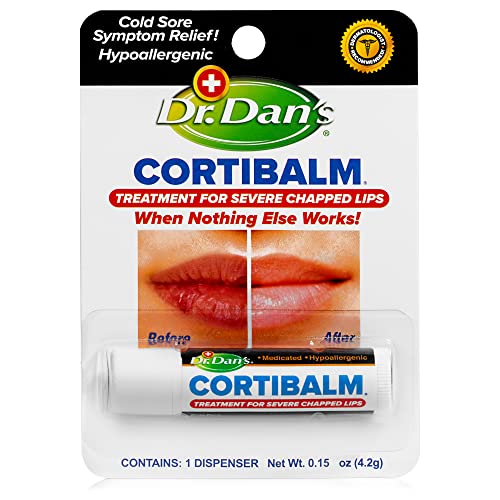
Lip Treatment for Chapped Lips: Heal, Protect & Prevent
Chapped lips are uncomfortable and stubborn, but the right treatment plan can restore softness fast. Learn what causes dryness, which ingredients actually repair the barrier, and how to build a simple routine that keeps your lips comfortable all year round.
SHOP RECOMMENDED LIP TREATMENTSWhy this guide matters: Most people reach for the nearest lip balm when their lips feel dry — but the wrong formula can make chapping worse. This guide breaks down the science of lip barrier repair, explains which ingredients to look for (and avoid), and gives you a practical routine you can follow starting tonight.
What Causes Chapped Lips?
Lips lack sebaceous glands, which means they cannot produce their own oil to stay moisturised. That thin, delicate skin is constantly exposed to the environment — sun, wind, dry indoor air — and loses moisture far faster than the rest of your face. When the barrier weakens, lips crack, peel, and sometimes bleed.
Understanding the root cause is the first step toward an effective lip treatment for chapped lips. The most common triggers include:
Environmental Exposure
Cold weather, wind, low humidity, and UV exposure strip moisture from the lip surface and disrupt the barrier.
Lip Licking & Biting
Saliva evaporates quickly and takes natural moisture with it, creating a cycle of dryness that worsens with every lick.
Irritating Ingredients
Fragrance, menthol, camphor, and some preservatives in conventional balms can trigger contact irritation.
Dehydration
Not drinking enough water shows up quickly on the lips, which are one of the first areas to signal internal dehydration.
Medications & Health Conditions
Retinoids, isotretinoin, and conditions like eczema or angular cheilitis can cause persistent chapping.
Mouth Breathing
Sleeping with your mouth open dries the lips overnight, which is why many people wake up with cracked lips.
Key Ingredients in an Effective Lip Treatment
A good lip treatment for chapped lips does two jobs: it pulls water into the skin (humectants) and seals it there (occlusives). Soothing agents calm irritation, while barrier-repair ingredients help the lip surface rebuild itself. Here's how the main categories compare:
| Ingredient Type | Examples | What It Does |
|---|---|---|
| Occlusives | Petrolatum, shea butter, beeswax, lanolin | Create a protective seal that prevents moisture loss and shields lips from wind and cold. |
| Humectants | Hyaluronic acid, glycerin, honey | Draw water into the lip surface, improving hydration and plumpness. |
| Soothing Agents | Panthenol, allantoin, colloidal oatmeal | Calm redness and irritation, making cracked lips more comfortable. |
| Barrier Repair | Ceramides, squalane, niacinamide | Support the skin barrier and help lips recover faster from chronic dryness. |
| Antioxidants | Vitamin E, green tea extract | Protect against environmental stress and support overall lip health. |
| SPF Filters | Zinc oxide, titanium dioxide | Prevent UV damage, which is a major but often overlooked cause of chapping. |
For a gentle, everyday option, a fragrance-free lip balm for dry lips with petrolatum or shea butter works well as a base layer. If you prefer a lighter, glossier finish, a lip oil for dry lips can be layered on top for comfort and shine — but keep in mind that oils are less occlusive than thick balms.
Tip: Avoid balms that contain menthol, camphor, or strong fragrance. They feel cooling at first but can irritate already-compromised lips and create a dependency cycle where you need to reapply constantly.
Step-by-Step Lip Treatment Routine
A consistent routine is more effective than any single product. Follow these steps morning and night, and adjust based on how your lips feel:
- Gentle cleanse. Avoid harsh soaps on the lip area. A mild, hydrating cleanser — like the kind used for the face — is enough. Pat dry gently with a soft towel instead of rubbing.
- Exfoliate sparingly. If lips are flaky, use a gentle sugar scrub once or twice a week. Never scrub cracked or bleeding lips — that delays healing.
- Apply a humectant layer. A thin layer of hyaluronic acid or glycerin-based serum helps draw moisture into the lip surface before sealing it in.
- Seal with an occlusive. Follow with a thick layer of petrolatum, shea butter, or a dedicated lip treatment ointment. This is the step that actually prevents moisture loss.
- Protect during the day. Use a lip balm with SPF when outdoors. Reapply every two hours and after eating or drinking.
- Use an overnight mask. Before bed, apply a generous layer of a repairing lip mask or thick ointment. Overnight is when the barrier repairs itself most effectively.
Hydrate & Protect
Cleanse gently, apply a humectant serum, then a balm with SPF. Avoid licking your lips throughout the day.
Reapply as Needed
Keep a fragrance-free balm within reach. Reapply after meals, drinks, and time spent outdoors or in air conditioning.
Repair & Seal
Remove makeup or sunscreen, apply a soothing treatment, and seal with a thick occlusive layer before sleep.
Gentle Maintenance
Use a mild lip scrub once or twice a week if lips are flaky — but skip it entirely if lips are cracked or sensitive.
Lifestyle Habits That Support Healing
Products only go so far — daily habits determine how quickly chapped lips recover and whether they stay healed. Small changes make a measurable difference:
- Stop licking your lips. It feels soothing for a second but accelerates moisture loss and can worsen cracking.
- Stay hydrated. Drink water consistently throughout the day. A simple check: if your lips feel dry, it may be a sign you need more fluids. Learn more about healthy eating and hydration habits that support skin health.
- Use a humidifier. Dry indoor air — especially in winter or in air-conditioned rooms — pulls moisture from the lips overnight.
- Avoid matte, long-wear lipsticks. These formulas can be drying. On chapped lips, opt for a tinted balm or a hydrating lip blushing alternative instead.
- Protect from the sun. UV exposure damages the lip barrier. Choose a balm with SPF 15 or higher for daily outdoor wear. A lightweight sunscreen on the face plus an SPF lip balm gives full coverage.
- Don't pick at peeling skin. Picking can cause bleeding and slow healing. Let the skin shed naturally with gentle exfoliation.
- Check your medications. Retinoids and acne treatments can dry the lips. If chapping is persistent, speak with a dermatologist about adjustments.
If you enjoy DIY skincare, a simple homemade lip balm made with beeswax and a nourishing oil can work as a budget-friendly occlusive — just keep the formula simple and fragrance-free. For those who prefer clean formulas, explore the clean beauty guide for ingredient standards worth knowing.
When Chapped Lips Need Medical Attention
Most chapped lips respond well to consistent at-home care within a week or two. However, see a dermatologist if you notice:
- Cracks that bleed, ooze, or develop crusts that don't heal
- Persistent redness or swelling around the mouth (possible angular cheilitis)
- Chapping that lasts more than two to three weeks despite treatment
- White patches, unusual bumps, or changes in lip colour
- Pain that interferes with eating or speaking
These signs may point to an underlying condition — such as eczema, a fungal infection, or a vitamin deficiency — that requires targeted treatment. A professional assessment is always the safest route when home care isn't working.
Frequently Asked Questions
What is the best lip treatment for chapped lips?
The best lip treatment for chapped lips combines occlusives like petrolatum or shea butter with humectants like hyaluronic acid and soothing ingredients like panthenol. Look for fragrance-free formulas that seal in moisture and support the skin barrier overnight.
How often should I apply lip treatment for chapped lips?
Apply a nourishing lip treatment at least three to four times daily, and always before bed. If your lips are severely chapped, reapply whenever they feel dry, especially after eating, drinking, or being outdoors.
Can chapped lips heal overnight?
Mild chapped lips can improve noticeably overnight with a thick occlusive treatment, but full healing usually takes a few days. Consistent daytime protection and an overnight repair mask speed up recovery significantly.
Why do my lips stay chapped even when I use lip balm?
Frequent chapping despite lip balm use often points to irritating ingredients, lip licking, dehydration, or underlying conditions like eczema. Choose fragrance-free, barrier-repairing formulas and avoid licking or picking at your lips.
Is lip oil better than lip balm for dry lips?
Lip oil adds shine and comfort but is less occlusive than a thick balm or ointment. For severely chapped lips, a balm or treatment ointment works better as a sealant, while lip oil can be layered on top for daytime shine and comfort.
Ready to Heal Your Chapped Lips?
Browse our curated selection of lip treatments, balms, and overnight masks — chosen for barrier repair and comfort.
VIEW RECOMMENDED PRODUCTS