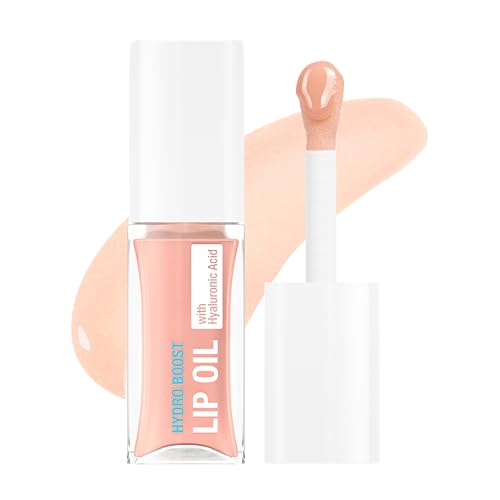
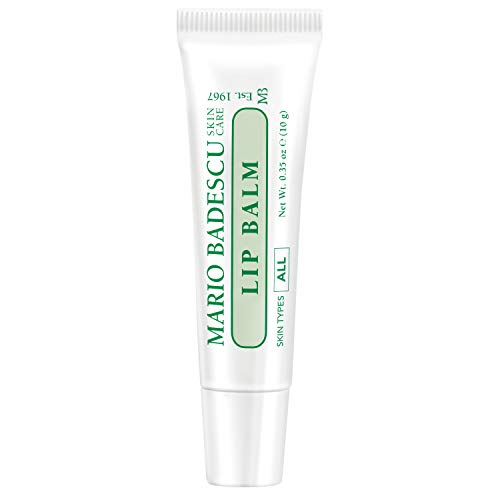
Lip Oil for Dry Lips: The Complete Hydration Guide
Discover why lip oils outperform traditional balms for treating dry, chapped lips. Learn which ingredients actually repair the moisture barrier, how to layer lip oil for maximum effect, and which product tiers deliver the best results for your needs.
Explore Recommended Lip OilsQuick Answer: Lip oils are the most effective leave-on treatment for dry lips because they combine humectants (which attract water), emollients (which soften skin), and occlusives (which seal in moisture) in a single lightweight formula. Unlike waxy balms that sit on the surface, quality lip oils penetrate deeper, deliver fat-soluble vitamins, and create a flexible seal that moves with your lips rather than cracking off.
Why Lip Oil Works Better Than Lip Balm for Dry Lips
If you have been relying on traditional lip balm and still experience flaking, cracking, or that tight feeling by midday, the problem may be the formula — not your routine. Most conventional balms rely heavily on waxes (beeswax, candelilla, carnauba) that create a rigid seal. This seal can crack when you smile or speak, exposing the delicate lip skin underneath and allowing moisture to escape.
Lip oils take a fundamentally different approach. They use plant-derived oils rich in fatty acids and antioxidants that are chemically similar to the lipids naturally found in your skin barrier. This means they do not just sit on top — they integrate into the lip surface, softening dead skin cells, reducing transepidermal water loss, and promoting actual repair overnight.
Key Advantages of Lip Oil
- Penetrates deeper: Oil-soluble vitamins (A, E, K) and essential fatty acids absorb into the lip tissue, supporting cell renewal.
- Flexible barrier: Unlike hard wax, oil moves with your lips, so it does not crack or flake off during normal facial expressions.
- Non-desiccating: Many balms contain menthol, camphor, or phenol that provide a cooling sensation but actually dry lips over time. Quality lip oils avoid these irritants.
- Layering-friendly: Lip oil works beautifully under lipstick or over lip liner, making it a practical makeup step rather than a standalone treatment.
- Overnight repair: A thick layer of lip oil before bed delivers sustained nutrition for 7–8 hours, which is when the most meaningful barrier repair occurs.
For readers dealing with particularly stubborn dryness or chapping, a dedicated lip treatment for chapped lips may be worth exploring alongside a lip oil, especially if you experience bleeding or deep fissures. And for those who prefer a solid format, a high-quality lip balm for dry lips can complement an oil-based routine.
Key Ingredients That Make Lip Oil Effective
Not all lip oils are created equal. The difference between a mediocre product and an exceptional one comes down to the ingredient list. Here is what to look for — and what to avoid.
Jojoba Oil
Technically a liquid wax ester, jojoba closely mimics human sebum. It absorbs quickly, softens dry flakes, and is non-comedogenic — ideal for sensitive lips.
Squalane
A lightweight, stable oil that reinforces the lipid barrier without greasiness. Excellent for lips that are dry but prone to congestion around the mouth.
Shea Butter Oil
Rich in vitamins A and E, shea-derived oils provide intense overnight nourishment and help calm inflammation from chapping.
Vitamin E (Tocopherol)
A fat-soluble antioxidant that protects lip tissue from oxidative stress, slows visible aging, and extends the shelf life of the oil blend.
Hyaluronic Acid
Found in more advanced lip oils, HA draws water into the lip surface. Best used under an occlusive oil layer to lock hydration in place.
Ceramides
Barrier-repairing lipids that help rebuild the lip's natural defense system. Especially valuable for chronically dry or eczema-prone lips.
Ingredients to avoid: Menthol, camphor, phenol, peppermint oil, and high concentrations of fragrance. These provide a temporary cooling or tingling sensation but can trigger irritation and rebound dryness, particularly on already-compromised lips.
If you are interested in exploring naturally derived options, many of the same beneficial ingredients appear in organic face oil products, and the formulation philosophy overlaps significantly with natural beauty principles. For readers who enjoy DIY approaches, a homemade lip balm can serve as a solid base that you can layer under a purchased lip oil.
How to Apply Lip Oil for Maximum Hydration
Application technique matters more than most people realize. A haphazard swipe will give you shine, but a deliberate routine delivers actual repair. Here is the sequence that dermatologists and estheticians recommend.
Step 1: Gentle Exfoliation (1–2 times per week)
Dry lips accumulate dead skin that prevents any product from absorbing properly. Use a soft damp cloth or a dedicated lip scrub to gently buff away flakes. Avoid aggressive scrubbing — the goal is to remove loose cells, not to create micro-tears.
Step 2: Apply on Damp Lips
This is the most overlooked step. Lip oils containing humectants work best when there is moisture present to bind to. After cleansing your face or taking a shower, apply your lip oil while your lips are still slightly damp. This dramatically improves hydration retention compared to applying on completely dry lips.
Step 3: Layer Generously at Night
During sleep, your body enters repair mode. Apply a thicker layer of lip oil as the final step of your evening skincare routine. This creates an occlusive seal that prevents moisture loss for 7–8 hours — the equivalent of a overnight mask for your lips. If you want to enhance the effect, consider pairing this with a sleep routine that prioritizes hydration and recovery.
Step 4: Reapply Throughout the Day
Lip oil is designed to be reapplied. Every time you drink water, eat, or wipe your mouth, you remove some of the protective layer. Keep a tube in your bag and reapply 3–5 times daily. Unlike some balms, quality lip oils do not create dependency — they simply provide ongoing support while your barrier repairs itself.
Step 5: Layer Under Makeup
For a glossy, hydrated look that lasts, apply a thin layer of lip oil before your lipstick or lip gloss. This creates a smooth canvas and prevents matte formulas from settling into dry patches. If you prefer a plumped effect, a lip plumper gloss layered over oil can enhance volume while maintaining hydration.
Lip Oil vs. Lip Balm vs. Lip Treatment: Which Is Right for You?
Understanding the differences between these three product categories helps you build the most effective routine. Here is a direct comparison based on function, texture, and best use case.
| Feature | Lip Oil | Lip Balm | Lip Treatment |
|---|---|---|---|
| Primary Function | Nourish + seal + repair | Seal + protect | Targeted repair (cracks, pigmentation) |
| Texture | Fluid, non-greasy, glossy | Solid or semi-solid wax | Varies (cream, gel, ointment) |
| Penetration | Deep (oil-soluble actives) | Surface-level | Deep (depends on formulation) |
| Best For | Daily hydration, overnight repair, makeup layering | Quick touch-ups, outdoor protection | Chronic dryness, fissures, post-procedure |
| Reapplication Frequency | 3–5 times daily | As needed (often more frequent) | 1–2 times daily (targeted) |
| Typical Tier | entry-level to luxury | budget-friendly to premium | mid-range to luxury |
For most people with dry lips, a lip oil should be the cornerstone of the routine. A balm can serve as a convenient backup, while a treatment is reserved for when the barrier is significantly compromised. If you are also dealing with dark spots or uneven tone, you may want to explore hydroquinone cream for dark spots for targeted pigmentation correction — though note this is a separate concern from hydration.
Understanding Lip Oil Quality Tiers
Lip oils span a wide range of formulations and ingredient quality. Rather than focusing on specific brands or prices, it helps to understand what distinguishes each tier so you can make an informed choice based on your priorities.
Entry-Level / Budget-Friendly
These oils typically use a single base oil (often mineral oil or a basic plant oil) with minimal additional actives. They provide adequate surface-level shine and temporary comfort, but may lack the fatty acid profile and antioxidant content needed for genuine barrier repair. Best suited for those who want a lightweight gloss effect or are just beginning to explore lip oils.
Mid-Range / Mid-Tier
This tier represents the sweet spot for most consumers. Formulations typically combine 2–3 complementary oils (e.g., jojoba + squalane + shea) and include vitamin E or other antioxidants. They offer meaningful hydration, absorb without excessive greasiness, and are suitable for daily use including overnight. The ingredient list is usually transparent and avoids common irritants.
Premium / High-End
Premium lip oils often feature cold-pressed, organic, or single-origin oils with documented fatty acid profiles. They may include advanced actives like ceramides, hyaluronic acid spheres, or peptides. Texture is typically more refined — lighter, less sticky, and more elegant under makeup. These products are formulated for people who treat lip care as an extension of their skincare routine.
Luxury / Top-Tier
At the luxury level, you are paying for rare botanical oils (e.g., camellia, marula, prickly pear), patented delivery systems, and often beautiful packaging. The functional difference between premium and luxury is usually marginal — both deliver excellent hydration and repair. The choice often comes down to sensory experience, brand philosophy, and willingness to invest in the ritual of self-care.
Editorial take: A well-formulated mid-tier lip oil will address dry lips just as effectively as a luxury option for most people. The key differentiators are ingredient transparency, absence of irritants, and a texture you actually enjoy using consistently. Consistency matters more than tier.
Building a Complete Lip Care Routine
Lip oil works best when integrated into a broader skincare and wellness approach. Here is how to build a routine that supports long-term lip health.
Morning
After cleansing your face with a gentle hydrating cleanser for dry skin, apply your lip oil while lips are still damp. Follow with your regular hydrating toner for dry skin and moisturizer. If you wear makeup, lip oil can serve as a hydrating primer under lip color.
Throughout the Day
Reapply lip oil after meals, coffee, or any activity that removes the protective layer. Keep a tube in your bag, at your desk, and by your bed for convenience. If you are outdoors, consider a lip product with SPF — sun damage is a major contributor to lip dryness and aging.
Evening
Remove makeup with a gentle make-up remover (avoid harsh wipes that tug at delicate lip skin). Cleanse, tone, and apply a generous layer of lip oil as your final skincare step. This overnight application is where the most significant repair happens.
Weekly
Incorporate a gentle exfoliation session once or twice per week. A soft DIY body scrub recipe can be adapted for lips using fine sugar and a carrier oil — just be extra gentle. After exfoliation, apply lip oil immediately to seal in hydration.
For those dealing with broader skin dryness, the principles of lip care mirror facial care. Just as you would use a Korean moisturizer for dry skin to repair the facial barrier, a lip oil repairs the lip barrier. And if you are exploring a more comprehensive skincare approach, a Korean skincare routine offers a structured framework that can be adapted for lip care as well.
Frequently Asked Questions About Lip Oil for Dry Lips
How often should I apply lip oil?
Apply lip oil 3–5 times daily as needed. The most important application is a generous layer before bed, which allows sustained repair for 7–8 hours. During the day, reapply after eating, drinking, or any activity that removes the protective layer. Unlike some medicated balms, lip oil can be used as frequently as you like without risk of dependency.
Can lip oil make dry lips worse?
Not if you choose the right formula. Lip oils that contain irritants like menthol, camphor, or high concentrations of fragrance can cause rebound dryness. However, well-formulated lip oils made with non-irritating plant oils, squalane, and vitamin E will improve lip condition over time. Always patch-test a new product on the inner arm first if you have sensitive skin.
Is lip oil better than lip balm for chapped lips?
For most people, yes. Lip oil penetrates deeper, delivers fat-soluble nutrients, and creates a flexible seal that moves with your lips rather than cracking. That said, a high-quality balm can be a useful complement — especially for quick touch-ups or outdoor protection. The best approach is often a lip oil as the primary treatment and a balm as a convenient backup.
Can I use lip oil under lipstick?
Absolutely. A thin layer of lip oil under lipstick creates a smooth, hydrated canvas that prevents matte formulas from settling into dry patches. It also makes lipstick easier to apply and more comfortable to wear. For a glossy finish, apply lip oil over lipstick instead. Both approaches work — experiment to find your preference.
How long does it take for lip oil to repair dry lips?
Most people notice improvement within 2–3 days of consistent use, especially with overnight application. Significant barrier repair — where lips feel genuinely soft and resilient without constant reapplication — typically takes 1–2 weeks. If dryness persists beyond that, consider whether you are licking your lips frequently, breathing through your mouth, or using irritating products that are undermining progress.
Are lip oils safe for sensitive skin?
Yes, provided you choose a formula free from common irritants. Look for short ingredient lists built around jojoba, squalane, shea, or ceramides. Avoid products with added fragrance, essential oils (especially peppermint, cinnamon, or citrus), and cooling agents. If you have known allergies, patch-test on the inner arm for 24 hours before applying to lips.
Ready to Transform Your Lip Care Routine?
Explore our curated selection of lip oils for dry lips, organized by quality tier to help you find the right match for your needs and preferences.
View Recommended Lip Oils