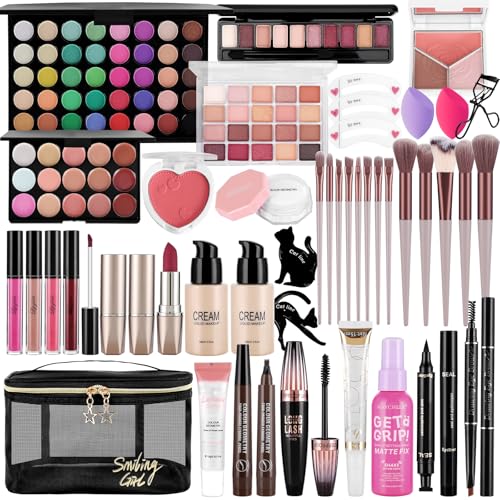
Makeup for Beginners Kit: Your Complete Starter Guide
Everything you need to build a confident first makeup kit — from essential products and smart tool choices to simple application steps that work for real life, not just tutorials.
START BUILDING YOUR KITWhy this guide exists: Most beginners buy too much too fast, then feel overwhelmed. This guide narrows your first makeup kit to the essentials that actually matter, explains what each product does, and shows you how to choose quality over quantity — so you can look polished without wasting time or money.
What Belongs in a Beginner Makeup Kit?
A beginner makeup kit does not need dozens of products. It needs the right products that work together and match your skin type, skin tone, and comfort level. The goal is to create a simple, repeatable routine you can grow with. Start with a handful of versatile essentials, then add specialty items only when you know how you will use them.
The core of any starter kit comes down to five functional groups: base and complexion, eyes, cheeks, lips, and tools. Within each group, there are entry-level, mid-range, and premium options. Beginners usually get the best experience by choosing budget-friendly or mid-tier products in complexion and tools, where quality makes a visible difference, while keeping eye and lip products simple and neutral.
Cleanser & Makeup Remover
A gentle cleanser removes makeup without stripping your skin. A dedicated makeup remover helps with long-wear or waterproof formulas. If your skin runs dry, look for a hydrating cleanser for dry skin to keep your base looking smooth.
Foundation or Tinted Moisturizer
Your base evens out skin tone. Liquid foundations are the most beginner-friendly. If you have dry skin, a hydrating foundation for dry skin prevents patchiness, while mature skin often benefits from a hydrating formula for mature skin.
Concealer
Concealer covers blemishes, redness, and under-eye shadows. Choose one shade close to your skin tone for spots and one slightly lighter for brightening — or start with a single versatile shade.
Neutral Eyeshadow Palette
A small palette with matte and shimmer neutrals covers everyday looks and simple evening upgrades. Avoid large palettes with colors you will not use yet.
Mascara
Mascara opens up the eyes instantly. A long-lasting mascara is a smart beginner choice because it resists smudging through the day. If you prefer a softer look, a Korean mascara often gives a natural, defined finish.
Eyeliner & Brow Pencil
A pencil eyeliner is easier to control than liquid for beginners. A brow pencil or powder fills sparse areas and frames the face with minimal skill required.
Blush
Blush brings warmth and life back to the face. A powder blush in a soft peach or rose shade is forgiving and easy to blend with a blush brush.
Lip Color & Balm
A tinted balm or satin lipstick is easier to apply than bold matte shades. Keep a lip balm for dry lips in your kit so your color always applies smoothly.
Tools: Sponge & Brushes
Tools decide how your makeup looks. A brush set and a makeup sponge cover foundation, powder, blush, and eyeshadow. A foundation brush is optional but helpful for streak-free application.
Setting Spray or Powder
Setting products lock makeup in place. If you have oily skin, a setting spray for oily skin helps control shine. A light setting powder works for most skin types.
Beginner tip: Resist the urge to buy a massive all-in-one palette or a full professional kit. A focused kit of 8–10 items you understand and use regularly will outperform a drawer full of products you never touch.
How to Choose Your First Makeup Products
Choosing beginner makeup is less about brand names and more about matching products to your skin and your routine. Before you buy anything, identify your skin type (oily, dry, combination, or sensitive), your undertone (warm, cool, or neutral), and how much time you realistically want to spend on makeup each morning.
Match the Base to Your Skin Type
Foundation is the product beginners most often get wrong. A formula that suits oily skin can cling to dry patches, and a rich cream can slide off oily skin by midday. If your skin is dry, look for hydrating or dewy finishes. If your skin is oily, look for oil-free or matte formulas with light-to-medium coverage. Combination skin usually does well with a natural-finish liquid foundation set lightly with powder.
For sensitive or reactive skin, patch-test any new base on your jawline for two days before using it on your full face. If you have acne-prone skin, look for non-comedogenic formulas and avoid heavy, occlusive textures. A liquid foundation is generally the most forgiving format for beginners because it blends easily with fingers or a sponge.
Choose Neutral Shades First
Your first eyeshadow, blush, and lip products should be shades you can wear with anything. Neutral eyeshadows (taupe, soft brown, champagne), soft peach or rose blush, and a rosy or berry lip color form a foundation wardrobe that works for work, weekends, and evenings. Once you know what you like, you can branch into bolder colors with confidence.
Decide Which Tier Makes Sense for Each Product
Use quality tiers instead of price tags to plan your kit. Entry-level and budget-friendly products are perfect for experimenting with color and learning technique. Mid-range products often deliver better texture and shade range in complexion products. Premium and luxury products can be worth it in tools and base products where formula quality shows most. A sensible beginner strategy is budget-friendly for color cosmetics, mid-range for foundation and concealer, and mid-tier for brushes and sponges.
| Product Category | Recommended Tier for Beginners | Why |
|---|---|---|
| Foundation & Concealer | Mid-range | Better shade matching, texture, and wear time; easier to blend |
| Eyeshadow & Blush | Budget-friendly to mid-tier | Easy to experiment; color payoff is often sufficient at entry level |
| Mascara & Eyeliner | Budget-friendly | Formulas are frequently replaced; mid-tier options are widely available |
| Brushes & Sponges | Mid-range | Better bristles and shape improve application results noticeably |
| Lip Products | Budget-friendly | Shade and finish matter more than brand; easy to explore |
| Setting Spray / Powder | Mid-range | Longevity and finish improve with slightly higher-tier formulas |
Building Your Kit Step by Step
If you want a logical order for assembling your first kit, follow this sequence. It prioritizes the products you will use every day and lets you add optional items only when you are ready.
- Start with skin prep and removal. A gentle cleanser and a reliable makeup remover are the foundation of good makeup. If you wear waterproof or long-wear products, a makeup remover for waterproof makeup prevents tugging and irritation. A makeup wipe is convenient for travel or late nights.
- Pick your base. Choose a liquid foundation or tinted moisturizer that matches your neck, not just your jaw. Test in natural light. If you are unsure, ask for a sample or buy from a retailer with a flexible return policy.
- Add concealer. One shade for blemishes and one slightly lighter for under-eyes is ideal, but a single match-to-skin shade works for most beginners.
- Choose neutral eye products. A compact neutral palette, a pencil eyeliner, and a brow pencil give you enough to define your eyes without overwhelming choices.
- Add mascara. Pick a formula based on your priority: length, volume, or curl. Waterproof formulas last longer but require a dedicated remover.
- Pick blush and lip color. A soft powder blush and a tinted balm or satin lipstick are the easiest entry points. Both add color without demanding precise technique.
- Invest in tools. A small brush set, a makeup sponge, and a makeup bag for storage complete the kit. Clean your brushes weekly to prevent breakouts.
- Optional: setting products. Add a setting spray or powder once you know how your base wears through the day.
Simple Application Routine for Beginners
You do not need a 12-step routine to look polished. This simplified order covers the essentials and keeps your morning routine under ten minutes once you are comfortable with it.
- Prep: Cleanse, then apply a light moisturizer and sunscreen. A lightweight sunscreen sits well under makeup.
- Base: Apply foundation with a damp sponge or foundation brush, starting at the center of the face and blending outward.
- Conceal: Tap concealer under the eyes and on blemishes with your ring finger or a small brush.
- Set lightly: Dust translucent powder only where you tend to shine.
- Eyes: Sweep a neutral shadow across the lid, line the upper lash line, and apply mascara.
- Brows: Fill sparse areas with light strokes using a brow pencil.
- Cheeks: Smile slightly and apply blush to the apples of your cheeks, blending upward.
- Lips: Apply balm first, then your lip color.
- Finish: Set with a light mist of setting spray.
Ready to Start Your Kit?
Explore our recommended beginner-friendly makeup products below, all selected for ease of use, versatility, and reliable performance.
VIEW RECOMMENDED PRODUCTSCommon Beginner Mistakes to Avoid
Most beginner makeup problems come from technique and product mismatch, not from a lack of skill. Here are the most common pitfalls and how to fix them.
- Choosing the wrong foundation shade. Test on your jawline in natural light and check that it matches your neck. A shade that looks right indoors can look orange in daylight.
- Skipping skin prep. Foundation applied to dry or unmoisturized skin can flake or cling. A hydrating toner and moisturizer make a visible difference. A hydrating toner for dry skin is a useful prep step for dry skin types.
- Over-applying concealer. More product does not mean more coverage. Use small amounts and build only where needed.
- Using dirty tools. Dirty brushes and sponges spread bacteria and cause breakouts. Wash them weekly with gentle soap or a dedicated brush dryer and cleaner routine.
- Buying too many colors too soon. Neutral shades are your best friend as a beginner. Add color once your technique feels stable.
- Forgetting to set makeup. A light setting spray or powder keeps your base from breaking down, especially in humid weather.
How to Store and Maintain Your Beginner Kit
Good storage keeps your products usable and your routine organized. A makeup organizer or a compact makeup bag keeps products accessible and protected. Keep your kit away from direct sunlight and heat, which can break down formulas and shorten shelf life.
Check products regularly for changes in smell, texture, or color. Mascara and liquid eyeliner should be replaced every few months, while powder products last longer. Clean brushes weekly and sponges every few uses. If you want to expand your kit later, a makeup set or a curated makeup palette can be a practical next step once you know which colors you reach for most.
Frequently Asked Questions
What should be in a beginner makeup kit?
A beginner kit should include a cleanser or makeup remover, foundation or tinted moisturizer, concealer, a neutral eyeshadow palette, mascara, eyeliner, brow pencil, blush, a lip product, and basic tools like a brush set and makeup sponge. Optional items include setting spray, powder, and a makeup bag for storage.
Do I need an expensive foundation as a beginner?
No. A mid-range foundation is usually the sweet spot for beginners because it offers better shade matching and blendability without the cost of premium formulas. Entry-level foundations are fine for practice, but if you plan to wear foundation daily, a mid-range option tends to perform more consistently.
What is the correct order to apply makeup?
The general order is: cleanser and moisturizer, primer if using, foundation, concealer, setting powder, brow products, eyeshadow, eyeliner, mascara, blush, lip color, and setting spray. Beginners can simplify to foundation, concealer, mascara, blush, and lip color for a quick everyday look.
How often should I replace beginner makeup products?
Mascara and liquid eyeliner typically need replacing every few months. Foundation and concealer last longer but should be replaced if the texture or smell changes. Powder products last the longest. Always check for changes in appearance or odor before continuing to use a product.
Can I build a beginner kit with sensitive skin?
Yes. Choose fragrance-free, non-comedogenic formulas, and patch-test new products on your jawline before full-face use. A hypoallergenic makeup for sensitive eyes is a smart choice for eye products. Start with fewer products and introduce them one at a time so you can identify any irritants.
Do I need a makeup primer as a beginner?
Primer is optional. It can help makeup last longer and smooth texture, but a good moisturizer and a suitable foundation often deliver enough for beginners. Add primer once you have a stable routine and want to address a specific concern like shine or enlarged pores.
Final Thoughts
Your first makeup kit should feel like a tool for self-expression, not a source of stress. Start with the essentials, choose products that match your skin type and tone, and practice a simple routine until it feels natural. As your confidence grows, you can add color, experiment with finishes, and explore new techniques. If you want to discover more beginner-friendly products, browse our makeup products collection or explore our complete makeup guides for step-by-step tutorials.