Makeup Palette Guide: Choose, Use & Build Your Perfect Palette
Whether you are a makeup novice or a seasoned artist, the right palette transforms your routine. Learn how to decode shade ranges, match colors to your skin tone and eye color, and apply every finish like a pro.
START THE GUIDEWhy this guide matters: A well-chosen makeup palette is one of the most versatile investments in your beauty kit. It can simplify your morning routine, reduce clutter, and unlock creative looks you never thought possible. This guide walks you through everything from understanding palette types to building a capsule collection that works for your lifestyle.
What Is a Makeup Palette and Why Does It Matter?
A makeup palette is a curated set of complementary shades housed in a single compact, typically designed for the eyes, face, or both. Unlike single products, a palette encourages experimentation and helps you create cohesive looks without guessing which colors pair well together. Palettes come in several formats: eyeshadow palettes, blush and bronzer duos, full-face palettes, and even lip palettes.
The appeal is simple: convenience, value, and creative freedom. A well-edited palette eliminates the need to buy individual shades one by one, and it often includes transition shades, highlighters, and deepening colors that work in harmony. For anyone building a makeup products collection from scratch, a versatile palette is often the smartest first purchase.
Palettes also cater to different skill levels. Beginners benefit from smaller, curated sets with clear shade families, while makeup artists and enthusiasts may prefer large-format palettes with dozens of options for professional flexibility. Understanding which type suits your needs is the first step toward a smart purchase.
Types of Makeup Palettes: A Complete Breakdown
Not all palettes are created equal. Knowing the distinctions helps you shop intentionally and avoid buying something that duplicates what you already own.
Eyeshadow Palettes
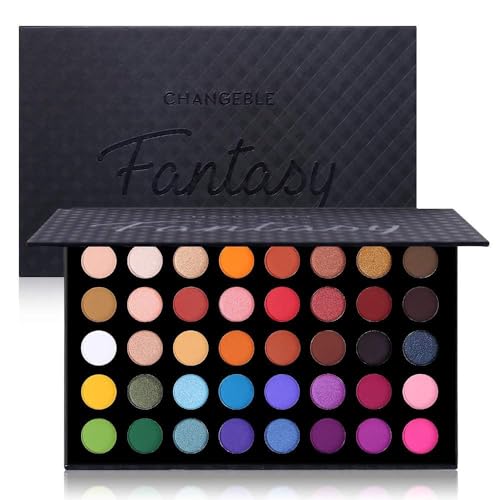
These are the most common and varied type. They range from compact 6-pan neutrals to 35-shade professional kits. Eyeshadow palettes typically include matte, satin, shimmer, and metallic finishes. A strong eyeshadow brush set is essential for getting the most out of these palettes.
Face Palettes
Face palettes combine blush, bronzer, and highlighter in one compact. They are ideal for travel and for anyone who prefers a coordinated cheek look. Some also include contour shades for sculpting.
Full-Face Palettes
These all-in-one kits include eyeshadow, blush, bronzer, highlighter, and sometimes lip or brow shades. They are excellent for beginners and travel but may sacrifice shade variety for convenience.
Lip Palettes
Less common but useful for lipstick lovers, these palettes offer multiple lip colors in cream or liquid form. They are great for experimenting with trends without committing to full-size products.
Contour and Highlight Palettes
These focus on sculpting and illuminating the face. They typically include a cool-toned contour shade, a warm bronzer, and one or two highlighters. Precision application with a blush brush or angled brush is key.
How to Choose the Right Makeup Palette
Choosing a palette is part art, part science. The goal is to find shades that flatter your natural coloring, suit your lifestyle, and offer enough variety to keep you inspired. Here is a practical framework.
Match Shades to Your Skin Tone
Your skin tone—fair, light, medium, tan, or deep—determines which shades will harmonize with your complexion. The table below offers a starting point for eyeshadow and blush families.
| Skin Tone | Best Eyeshadow Families | Best Blush Families | Shades to Approach with Caution |
|---|---|---|---|
| Fair | Soft pinks, peaches, cool taupes, light lavenders | Soft pink, peach, light rose | Very dark or highly saturated shades can look harsh |
| Light | Warm neutrals, rose golds, soft corals | Coral, warm pink, apricot | Overly cool grays may wash out the complexion |
| Medium | Warm bronzes, golds, terracotta, olive | Berry, coral, warm rose | Very pale pastels may look ashy |
| Tan | Rich coppers, deep berries, emerald, plum | Deep rose, berry, warm brick | Extremely light shimmer can appear frosty |
| Deep | Jewel tones, vibrant oranges, rich purples, gold | Rich berry, deep coral, bright plum | Muted, dusty shades can look dull on the skin |
Consider Your Eye Color
Complementary colors make eyes pop. For brown eyes, shades of blue, purple, green, and bronze create beautiful contrast. For blue eyes, warm coppers, peaches, and golds intensify the blue. For green eyes, purples, plums, and warm burgundies are especially flattering. For hazel eyes, olive greens, golds, and warm browns bring out the complexity of the iris.
Think About Your Lifestyle and Skill Level
If you wear makeup five days a week for the office, a neutral everyday palette will serve you better than a rainbow-colored collectors edition. If you love experimenting on weekends, a colorful palette with a wide shade range keeps your creativity alive. Beginners should look for palettes with labeled transition shades and a clear layout (light to dark, left to right).
Evaluate Formula and Finish
Swatch whenever possible. A good palette should have smooth, blendable mattes, shimmers that apply evenly without fallout, and consistent pigmentation across all pans. Powdery formulas with excessive kick-up waste product and can muddy the eye area. Cream-based palettes should feel emollient but not greasy.
Check the Packaging and Mirror
A sturdy palette with a decent mirror makes application easier, especially when traveling. Magnetic closures tend to last longer than snap closures. If portability matters, look for slim, compact designs that fit into a makeup bag without bulk.
For a broader overview of product categories and how they fit together, see our makeup hub. If you are building a kit from zero, our make-up for beginners kit guide pairs perfectly with this article.
Understanding Palette Quality Tiers
Palettes span a wide spectrum of quality, from budget-friendly drugstore options to luxury formulations. Understanding these tiers helps you set realistic expectations and choose the right one for your needs.
| Tier | Typical Characteristics | Best For |
|---|---|---|
| Entry-Level | Fewer shades, simpler packaging, variable pigmentation, occasional fallout | Beginners testing the waters, casual users, travel kits |
| Mid-Range | Balanced shade variety, smoother blending, reliable pigmentation, decent mirrors | Daily users, makeup enthusiasts, most skin tones |
| Premium | Finely milled powders, minimal fallout, strong color payoff, luxurious packaging | Frequent users, special occasions, professional kits |
| Luxury | Exceptional blendability, unique shade curation, designer packaging, refillable options | Collectors, professional artists, gift purchases |
Mid-range palettes often deliver the best balance of performance and variety for most users. Entry-level palettes can be excellent for experimentation, while premium and luxury palettes justify their positioning through formula refinement and shade uniqueness rather than sheer pan count.
If you are drawn to high-end options, explore our luxury makeup and luxury makeup brands guides for context on what sets them apart. For everyday value, a mid-tier palette paired with a good brush set is a solid foundation.
How to Apply Makeup from a Palette: Step-by-Step
Owning a palette is only half the equation. Application technique determines whether your look reads as polished or patchy. Here is a reliable workflow that works for beginners and experienced users alike.
Step 1: Prime the Eyes
Always start with an eyeshadow primer or a light concealer base. This prevents creasing, intensifies pigment, and ensures your look lasts through the day. A small amount of hydrating foundation or concealer works in a pinch.
Step 2: Lay Down a Transition Shade
Choose a matte shade one or two levels darker than your skin tone and sweep it through the crease with a fluffy blending brush. This creates a seamless gradient that makes the rest of the look easier to blend.
Step 3: Apply the Lid Shade
Pat your chosen lid color onto the center of the eyelid using a flat brush or your fingertip. Patting rather than sweeping minimizes fallout and maximizes color intensity.
Step 4: Deepen the Outer Corner
Using a smaller detail brush, apply a darker shade to the outer corner in a V-shape. Blend inward with small, circular motions to avoid harsh lines.
Step 5: Add Shimmer or Metallic Finishes
Press shimmer onto the center of the lid or the inner corner for a pop of light. Use a flat synthetic brush or fingertip for the most reflective application.
Step 6: Blend and Refine
Use a clean, dry blending brush to soften any edges. If a line looks too sharp, a touch of translucent powder on the brush can diffuse it quickly.
Step 7: Set and Finish
Finish with mascara and a makeup setting spray for oily skin if needed. For a polished cheek, lightly tap a blush brush into a complementary blush shade from your face palette.
How to Build a Capsule Palette Collection
A capsule collection is a small, curated set of palettes that covers every need without redundancy. The goal is versatility, not volume. Here is a practical three-palette strategy that works for most people.
Palette 1: The Everyday Neutral Palette
This is your workhorse. It should include a mix of matte creams, transition browns, a deep crease shade, and one or two satin or shimmer shades for dimension. Neutral palettes are the foundation of office looks, travel kits, and quick five-minute routines.
Palette 2: The Color or Statement Palette
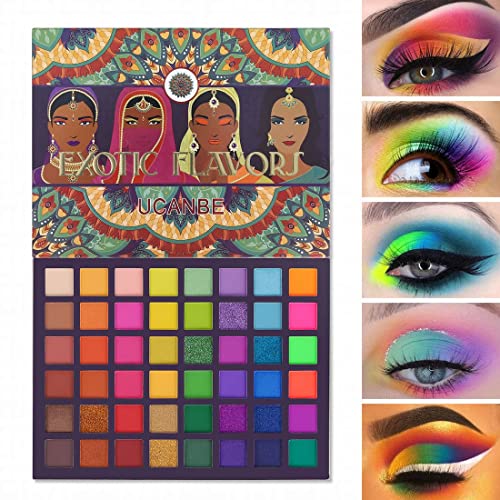
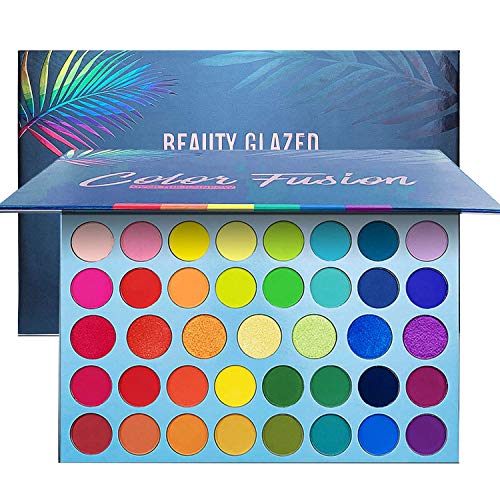
This is where you express creativity. Choose a palette with shades you genuinely love—jewel tones, pastels, warm terracottas, or bold berries. It does not need to be large, but it should feel inspiring every time you open it.
Palette 3: The Face Palette
A blush-bronzer-highlighter trio rounds out the collection. This palette handles cheek color, warmth, and glow in one step. Look for shades that complement your skin tone and a formula that blends easily with a powder brush.
This three-palette approach covers the vast majority of everyday and special-occasion looks. If you want to expand further, add a lip palette or a dedicated contour palette. For storage and organization, a makeup organizer keeps everything accessible and protected.
Common Makeup Palette Mistakes to Avoid
Even experienced users fall into habits that limit a palette's potential. Here are the most common pitfalls and how to correct them.
- Skipping primer: Without a base, powder shades crease and fade within hours. Priming takes 30 seconds and doubles your wear time.
- Using dirty brushes: Residual color from a previous look muddies new application. Clean brushes weekly with a brush dryer or gentle soap.
- Overloading the brush: Tapping off excess powder before applying prevents fallout and patchiness. Build color in thin layers.
- Ignoring transition shades: Jumping straight to the darkest shade creates harsh lines. A transition shade bridges the gap between light and dark.
- Buying palettes that duplicate what you own: Before purchasing, compare the new palette to your existing collection. If more than half the shades overlap, skip it.
- Storing palettes in humid bathrooms: Moisture degrades powder formulas and encourages bacterial growth. Keep palettes in a cool, dry place.
- Forcing shades that do not suit you: Not every shade in a palette is meant for every part of your face. Use shades that flatter your coloring and skip the rest without guilt.
For more on maintaining a clean, effective kit, see our makeup artist tools guide and our makeup products overview.
Frequently Asked Questions About Makeup Palettes
Fair skin tones look best with soft pinks, peaches, and cool taupes. Medium skin tones shine with warm bronzes, corals, and golds. Deep skin tones look stunning with rich berries, emerald greens, and vibrant oranges. Always swatch on your jawline in natural light before committing.
An eyeshadow palette contains pigmented shades designed for the delicate eye area, usually in matte, shimmer, and metallic finishes. A face palette typically includes blush, bronzer, highlighter, and sometimes contour shades formulated for larger surface areas and different skin textures.
Beginners benefit most from a compact palette with 6 to 12 shades. This range offers enough variety to experiment without overwhelming decision-making. Look for a mix of matte neutrals, one or two shimmers, and a transition shade that blends seamlessly.
Powder-based palettes typically last 12 to 24 months after opening when stored in a cool, dry place away from direct sunlight. Cream-based palettes have a shorter shelf life of 6 to 12 months. Signs of expiration include changes in texture, smell, or color, and increased difficulty blending.
Yes, many eyeshadow shades double as blush or contour in a pinch. Choose matte, finely milled shades in rosy, peachy, or neutral brown tones. Avoid shades with chunky glitter or intense shimmer, as these can emphasize texture on the cheeks. Always use a clean, separate brush to prevent cross-contamination.
Start with an eyeshadow primer to ensure longevity. Apply a transition shade through the crease with a fluffy brush, then deepen the outer corner with a mid-tone shade. Pat shimmer onto the lid with a flat brush or fingertip. Blend thoroughly between each layer and finish with a clean blending brush to soften any harsh edges.
Ready to Find Your Perfect Palette?
Explore our hand-picked selection of top-rated makeup palettes available online. Whether you need an everyday neutral set or a bold statement palette, our curated list has you covered.
VIEW RECOMMENDED PALETTES