Makeup Shop: Your Smart Guide to Buying Makeup Online
Navigate the world of makeup shopping with confidence. Learn what to look for in foundations, lipsticks, palettes, and brushes so every purchase matches your skin type, tone, and lifestyle.
EXPLORE MAKEUP ESSENTIALSWhy this guide matters: Shopping for makeup online can feel overwhelming when hundreds of shades, finishes, and formulas compete for your attention. Whether you are restocking a favorite or building your first makeup kit for beginners, this guide breaks down exactly what to evaluate before you add an item to your cart. You will learn how to match base products to your skin type, choose lip and eye colors that flatter your undertone, and decide which tools genuinely improve application.
What You Gain From a Smarter Makeup Shop Strategy
Fewer Wasted Purchases
Understanding finish, coverage, and formulation helps you avoid buying products that clash with your skin type or daily routine.
Better Shade Matching
Learning to read undertones and swatch descriptions means fewer returns and a base that looks natural in every light.
Longer-Lasting Results
Choosing the right primer, setting spray, and formula combination keeps your look intact from morning to night.
Makeup Categories Worth Researching First
Foundation
Match formula to skin type
Palettes
Versatile color stories
Lipstick
Finish and undertone
Brushes
Tools that elevate application
Setting Spray
Lock in your look
Storage
Keep your collection tidy
Mirrors
Precision lighting
Removers
Gentle end-of-day care
What to Evaluate Before You Buy Makeup Online
A successful makeup shop experience starts with three questions: what is your skin type, what finish do you prefer, and how long do you need the product to last. Once you answer those, the rest of the decision becomes much simpler. Below are the core factors that matter most for each product category.
- Skin type first: Oily skin benefits from oil-free, matte or semi-matte foundations, while dry skin performs better with hydrating formulas. If you have dry skin, look into hydrating foundation for dry skin before anything else.
- Coverage level: Sheer formulas even out tone without masking texture; full coverage hides redness and blemishes but requires more blending skill. Entry-level shoppers often do best starting with buildable medium coverage.
- Undertone match: Cool, warm, and neutral undertones determine whether a shade looks natural or ashy. When in doubt, compare swatches against your jawline rather than your hand.
- Longevity and finish: A long-wear matte foundation suits events and humid climates, while a luminous finish flatters mature or dry skin. Consider how your day actually looks before choosing.
- Tool compatibility: A dense foundation brush gives fuller coverage, while a damp sponge softens the finish. The right tool matters as much as the formula.
- Sensitivity and ingredients: If your eyes react easily, explore hypoallergenic makeup for sensitive eyes and patch-test new products before full application.
Choosing the Right Foundation and Base
Foundation is the product most shoppers research the longest, and for good reason: a mismatched base throws off every other step. Start by deciding between liquid, cream, powder, or cushion formats. Liquid foundation remains the most versatile for most skin types, offering adjustable coverage and a wide shade range. Mature skin often benefits from a lighter, more flexible texture, which is why light foundation for mature skin tends to sit more comfortably through the day.
If you prefer a natural, dewy look, cushion formats have become a popular mid-range choice thanks to their buildable coverage and portable packaging. Shoppers curious about this style can read more about Korean cushion foundation to understand how the format differs from a standard bottle. For those with mature skin who still want hydration, hydrating foundation for mature skin combines moisture with coverage and is worth comparing against standard formulas.
Lip and Eye Products: Match Finish to Occasion
Lip and eye products are where personal style shines, but finish and formulation still matter. A matte lipstick delivers bold pigment and stays put, while a gloss or oil adds dimension and comfort. If dry lips are a concern, a lip oil for dry lips or lip balm for dry lips should sit in your routine before any color product. For shoppers who want a plumper look, a lip plumper gloss offers visible fullness without a procedure.
On the eyes, mascara is the highest-impact product for the least effort. A long-lasting mascara keeps lashes defined through long days, and Korean formulas have earned a strong following for their lightweight feel; you can compare options through this Korean mascara guide. If you are exploring lash enhancement beyond mascara, a lash serum or a lash lift are two different approaches worth understanding before committing.
Tools and Accessories That Improve Application
Even premium formulas underperform with the wrong tools. A well-chosen brush set covers the essentials, while individual brushes let you upgrade exactly where it matters. A blush brush with soft, tapered fibers places color precisely, and an eyeshadow brush designed for blending prevents harsh edges. Beyond brushes, a LED makeup mirror with lights removes guesswork by showing your true shade and finish, and a makeup organizer keeps products accessible and clean.
For travel or daily commuting, a makeup bag with structured compartments protects brushes and prevents spills. If you frequently apply makeup on the go, a compact makeup mirror is a practical addition. Shoppers who want a complete curated approach can compare makeup sets or browse makeup gift sets when buying for someone else.
Making Your Makeup Last All Day
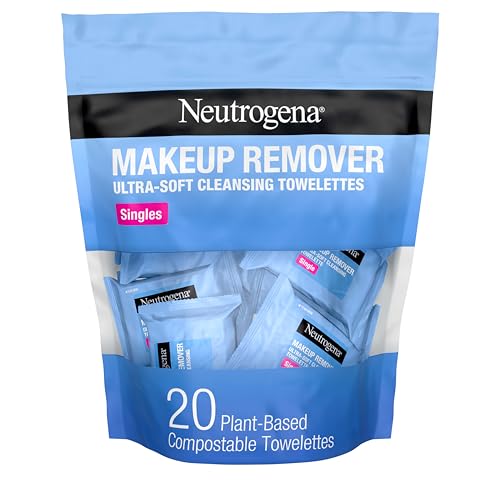
Longevity is a system, not a single product. Primer, formula choice, powder, and setting spray all contribute. Oily skin benefits most from a targeted makeup setting spray for oily skin, which controls shine without flattening the complexion. At the end of the day, gentle removal protects your skin barrier; a makeup remover for waterproof makeup dissolves stubborn mascara and long-wear lip color without tugging, and makeup wipes are useful for quick touch-ups rather than full removal.
Frequently Asked Questions About Buying Makeup Online
How do I choose a foundation shade without swatching in person?
Start by identifying your undertone (cool, warm, or neutral) and skin depth. Read product descriptions carefully, check customer swatch photos in natural light, and prioritize brands with generous shade ranges and clear return policies. Buildable medium coverage is more forgiving than full coverage if you are unsure.
What should a beginner makeup shop list include?
A practical starter list covers a hydrating cleanser, a medium-coverage foundation or tinted moisturizer, concealer, a neutral eyeshadow palette, mascara, a lip product, a blush, and at least two brushes. Start with mid-range essentials rather than a full luxury set so you can learn what you actually use.
How often should makeup brushes be replaced?
Clean brushes weekly and inspect them monthly. Synthetic brushes used daily typically last one to two years with proper care. Replace any brush that sheds excessively, develops a persistent odor, or has misshapen bristles that no longer apply product evenly.
Is it worth buying a makeup palette or individual shades?
Palettes offer curated color combinations and are ideal for beginners or travelers. Individual shades suit shoppers who already know their preferred colors and want to avoid unused pans. A mid-range palette is often the smarter first purchase.
How do I know if a product suits sensitive skin?
Look for fragrance-free and hypoallergenic labels, check ingredient lists for known irritants, and read reviews from shoppers with similar skin concerns. Always patch-test new products on a small area for 24 to 48 hours before full-face application.
Editorial note: Product recommendations in this guide are based on category research and general suitability, not on paid placement. Always review the current product listing for full ingredient and shade details. For our editorial standards, see our disclaimer.