
Dermatology and Advanced Skin Care: A Complete Clinical Guide
Understand how dermatologist-grade actives, professional treatments, and evidence-based routines can transform acne-prone, aging, and sensitive skin — with clear guidance on what works, what to avoid, and how to build a routine that delivers visible results.
Why this guide matters: If you are researching dermatology and advanced skin care, you have likely moved past basic cleansers and moisturizers. You want to understand clinical actives, professional treatments, and the science behind them — so you can make an informed purchase decision instead of guessing. This guide consolidates the essentials: how advanced actives work, which ingredients have real evidence, how to layer them safely, and how to choose products that match your skin's needs and your experience level.
Advanced skin care is not about buying the most products. It is about using the right actives, at the right concentration, in the right order, with a strong barrier and sun protection foundation. Whether you are dealing with persistent acne, early signs of aging, post-inflammatory pigmentation, or a compromised skin barrier, the principles below will help you build a routine that is both effective and sustainable.
What Makes Skin Care "Dermatology-Grade"?
Dermatology-grade skin care sits at the intersection of cosmetic science and clinical dermatology. Unlike mass-market cosmetic products that primarily target surface hydration and appearance, advanced dermatology formulations are developed with clinical evidence, standardized active concentrations, and often tested under dermatological supervision. The key differences include:
- Validated actives: Ingredients such as retinoids, azelaic acid, niacinamide, and vitamin C are used at concentrations supported by published research, not just for label appeal.
- Targeted mechanisms: Advanced products address specific pathways — sebum regulation, melanin production, collagen synthesis, or barrier repair — rather than offering a generic "glow."
- Formulation discipline: Clinical brands invest in stability testing, pH optimization, and delivery systems that keep actives effective until the last use.
- Safety profiling: Irritation potential is assessed, and many products are formulated for post-procedure or sensitive-skin use.
This does not mean every expensive product is better. It means the most reliable advanced skin care choices are those where the active ingredient, its concentration, and its delivery are transparent and clinically justified. If you are building from scratch, start with a solid foundation using our getting started guide before layering in clinical actives.
Core principle: barrier first, actives second
No advanced active will deliver results if the skin barrier is compromised. A healthy stratum corneum tolerates retinoids, acids, and vitamin C far better. Ceramides, cholesterol, fatty acids, panthenol, and glycerin are not "boring" ingredients — they are the infrastructure that makes clinical actives usable long term.
The Clinical Actives That Matter Most
Advanced skin care is built around a small number of well-studied actives. Understanding what each one does — and its typical strength tier — helps you choose products intelligently.
Retinoids (Retinol, Retinal, Tretinoin)
Retinoids remain the gold standard for photoaging, acne, and texture improvement. Over-the-counter retinol and retinal are converted in the skin to retinoic acid, while prescription tretinoin is active directly. Entry-level retinol serums are suitable for beginners; mid-range encapsulated retinols offer better tolerance; premium and luxury formulations often combine retinoids with barrier-supporting lipids and delivery systems that reduce irritation. If you have dry or reactive skin, pair retinoids with a deep moisturizer for dry skin and introduce them slowly.
Vitamin C (L-Ascorbic Acid and Derivatives)
Vitamin C provides antioxidant protection, supports collagen synthesis, and helps fade pigmentation. L-ascorbic acid at 10–20% with vitamin E and ferulic acid is the most studied combination. Derivatives such as sodium ascorbyl phosphate and tetrahexyldecyl ascorbate are gentler and more stable, making them suitable for sensitive skin. Use vitamin C in the morning under sunscreen for maximum benefit.
Niacinamide
Niacinamide (vitamin B3) improves barrier function, regulates sebum, reduces redness, and supports even tone. It is exceptionally well tolerated and pairs well with most actives, including retinoids and acids. Concentrations of 4–5% are generally sufficient for most benefits.
Azelaic Acid
Azelaic acid is a dermatologist favorite for rosacea, acne, and post-inflammatory hyperpigmentation. It reduces inflammation, normalizes keratinization, and inhibits tyrosinase. Prescription strengths are available, but over-the-counter 10% formulations are effective for maintenance.
Chemical Exfoliants (AHA/BHA)
Alpha-hydroxy acids (glycolic, lactic, mandelic) and beta-hydroxy acid (salicylic) accelerate cell turnover and improve texture and pores. Advanced routines use them strategically — not daily for most skin types. Mandelic and lactic acids are gentler for sensitive skin; salicylic acid is preferred for oily and acne-prone skin. If you are also using a exfoliating cleanser, avoid over-exfoliation by alternating days.
Peptides and Growth Factors
Peptides signal the skin to support collagen and barrier repair. They are not as potent as retinoids but are excellent for sensitive skin or for use alongside stronger actives. Growth factor formulas are typically premium or luxury tier and are best used in a targeted serum step.
Active Ingredient Comparison by Strength and Use Case
| Active | Primary Benefit | Typical Tier | Best For | Caution |
|---|---|---|---|---|
| Retinol / Retinal | Anti-aging, acne, texture | Entry to Premium | Photoaging, mild acne | Start 2x/week, use at night, pair with SPF |
| Tretinoin (Rx) | Acne, photoaging, pigmentation | Premium / Rx | Persistent acne, deep wrinkles | Prescription only, high irritation risk |
| L-Ascorbic Acid | Antioxidant, brightening | Mid to Luxury | Dullness, pigmentation | Can sting; store away from light/heat |
| Niacinamide | Barrier, sebum, redness | Entry to Mid | Most skin types | Rare flushing at high concentrations |
| Azelaic Acid | Rosacea, acne, PIH | Mid to Premium | Sensitive, rosacea-prone | May cause mild tingling initially |
| Salicylic Acid (BHA) | Pores, oil control, acne | Entry to Mid | Oily, acne-prone | Can dry skin if overused |
| Peptides | Collagen support, barrier | Mid to Luxury | Sensitive, maintenance | Generally low risk |
How to Build an Advanced Skin Care Routine
An advanced routine is not a longer routine — it is a smarter sequence. The goal is to deliver each active where it can work, minimize interaction irritation, and protect the barrier. Below is a practical framework that works for most skin types, with adjustments for sensitivity.
Cleanse gently, morning and night
Use a low-pH, non-stripping cleanser. If you wear sunscreen or makeup, a double cleansing routine with a cleansing oil or balm followed by a gentle gel cleanser removes residue without compromising the barrier. For dry or reactive skin, consider a cleanser for dry sensitive skin.
Treat with targeted actives (one per concern)
Morning: antioxidant (vitamin C) plus niacinamide. Evening: retinoid on alternate nights, and/or a chemical exfoliant 1–2 times weekly on non-retinoid nights. Do not stack multiple strong actives in the same routine until your skin has demonstrated tolerance.
Support with barrier moisturizer
Choose a moisturizer with ceramides, cholesterol, and fatty acids. This step is non-negotiable when using retinoids or acids. If your skin is very dry, a deep moisturizer layered after your serum helps seal in hydration.
Protect with broad-spectrum sunscreen daily
Advanced actives increase photosensitivity. A dermatologist-recommended sunscreen for face with SPF 30 or higher is essential, reapplied every two hours when outdoors. This single step preserves the results of every other product in your routine.
If you prefer a minimalist approach, our minimalist skincare guide shows how to condense this framework into three or four products without losing efficacy. For those specifically targeting dark spots, a dark spot treatment for face can be added as a targeted step once your barrier is stable.
Professional Treatments and At-Home Devices
Dermatology and advanced skin care also include in-office procedures and clinical-grade at-home devices. These are not replacements for a consistent routine, but they can accelerate results for specific concerns.
- Chemical peels: Medical-grade peels (glycolic, salicylic, TCA) performed by a dermatologist can improve pigmentation, acne, and texture. They require a preparation and recovery period with barrier support and strict sun protection.
- Microneedling: Collagen induction therapy via micro-needling improves scars, texture, and fine lines. At-home devices use shorter needles and should be used conservatively with sterile technique.
- LED light therapy: LED light therapy can support acne management (blue light) and skin rejuvenation (red light). Consistency matters more than intensity.
- Laser and energy devices: Fractional lasers, IPL, and radiofrequency are dermatologist-performed treatments for pigmentation, vascular concerns, and laxity. These require careful pre- and post-care with gentle cleansing and barrier repair.
- Facial cleansing devices: A facial cleansing brush or electric cleansing brush can improve cleansing efficiency, but should not replace gentle manual cleansing if your skin is sensitized.
For post-procedure recovery, keep the routine simple: gentle cleanser, barrier moisturizer, and sunscreen. Avoid retinoids, acids, and exfoliants until the skin is fully healed. A facial steamer can be used cautiously during recovery to soften the skin, but avoid heat if there is active inflammation.
Advanced Skin Care by Concern
Acne and congestion
Focus on salicylic acid, azelaic acid, and retinoids, with non-comedogenic moisturizers. Avoid over-cleansing and harsh scrubs. If acne is persistent or cystic, a dermatologist may prescribe tretinoin or oral therapy. For maintenance, a clarifying shampoo can help reduce hair product transfer that contributes to forehead and jawline breakouts.
Photoaging and fine lines
Retinoids, vitamin C, and daily sunscreen form the core. Peptides and growth factors can support collagen. A collagen-boosting skincare approach combines these actives with consistent sun protection rather than relying on a single "miracle" product. For targeted wrinkle care, a cream for wrinkles with retinoids or peptides can be layered at night.
Pigmentation and uneven tone
Vitamin C, azelaic acid, niacinamide, and retinoids are the mainstays. Sunscreen is non-negotiable. For stubborn spots, a dark spot treatment for face or a home treatment for black spots can be added, but results take weeks to months. Avoid aggressive scrubbing, which can worsen post-inflammatory hyperpigmentation.
Sensitive and reactive skin
Prioritize barrier repair and low-irritation actives such as niacinamide, peptides, and gentle mandelic acid. Avoid fragrance and essential oils where possible. A sensitive skin eye cream can address the delicate eye area without triggering reactions. If you have rosacea, azelaic acid and gentle cleansing are often better tolerated than strong acids.
How to Choose Dermatology-Grade Products
When evaluating products in the advanced skin care category, use these practical filters:
- Ingredient transparency: The active and its concentration should be clearly stated or inferable from the INCI list. "Proprietary complex" without any active disclosure is a red flag.
- Packaging stability: Vitamin C and retinoids degrade with light and air. Airless pumps and opaque packaging are worth prioritizing.
- Formulation pH: L-ascorbic acid requires a low pH (typically below 3.5) to penetrate effectively; retinoids and niacinamide are less pH-dependent but should be formulated for stability.
- Clinical evidence: Prefer brands that cite studies or have a dermatology heritage. This is more common in premium and luxury tiers, but there are excellent mid-range clinical brands as well.
- Your skin's tolerance: A high-end product with an excellent formula is useless if your skin cannot tolerate it. Start with entry-level strengths and increase only when your barrier is stable.
For a broader overview of trusted clinical and clean brands, explore our clean beauty brands and best organic brands guides. If you are specifically looking for accessible options, the cheap skin care products list highlights entry-level actives that still meet clinical standards.
Safety, Side Effects, and When to See a Dermatologist
Advanced skin care carries a higher risk of irritation than basic routines. Common side effects include dryness, peeling, redness, and stinging when starting retinoids or acids. These usually subside within two to four weeks if you pace the introduction and support the barrier.
Seek professional guidance if you experience:
- Persistent redness, swelling, or burning that does not improve with a simplified routine
- Painful or cystic acne that does not respond to over-the-counter actives
- Rapidly changing moles, new pigmented lesions, or non-healing sores
- Severe allergic reactions (hives, difficulty breathing) — seek emergency care
- Worsening of rosacea or eczema despite gentle care
A dermatologist can confirm your skin type, rule out conditions that mimic cosmetic concerns, and prescribe treatments that are not available over the counter. For many people, the most efficient path to advanced skin care results is a combination of a well-built home routine and periodic professional oversight.
Also be mindful of interactions: retinoids and strong acids can compromise the barrier when overused, and some actives (such as hydroquinone) require medical supervision. Always patch-test new products, especially if you have a history of contact dermatitis.
Frequently Asked Questions
What is the difference between dermatology-grade skincare and regular skincare?
Dermatology-grade skincare refers to formulations developed with clinical evidence, higher concentrations of proven actives, and often tested under dermatological supervision. Regular cosmetic skincare focuses on surface-level hydration and appearance, while advanced dermatology products target specific skin conditions with ingredients studied in clinical settings. The distinction is about evidence and formulation discipline, not simply price tier.
Can I use retinoids and vitamin C together in an advanced skin care routine?
Yes, but timing matters. Use vitamin C in the morning for antioxidant protection and retinoids at night to support cell turnover. If your skin is sensitive, alternate nights or use a lower-strength retinoid until tolerance builds. Always follow with a barrier-supporting moisturizer and daily sunscreen. Avoid layering them simultaneously if you have reactive skin.
How often should I see a dermatologist for advanced skin care?
For general maintenance, a visit every 6 to 12 months is common. If you have acne, rosacea, pigmentation disorders, or are starting prescription treatments, more frequent visits (every 4 to 8 weeks) may be recommended until your skin stabilizes. A dermatologist can also help you avoid unnecessary products and focus on what is clinically appropriate for your skin.
What ingredients should I look for in dermatologist-recommended sunscreens?
Look for broad-spectrum SPF 30 or higher with filters like zinc oxide, titanium dioxide, or modern chemical filters such as Tinosorb and Mexoryl. For sensitive or post-procedure skin, mineral formulations with minimal fragrance are often preferred. Reapplication every two hours during sun exposure is essential, especially when using retinoids or acids.
How do I repair a damaged skin barrier during advanced treatments?
Pause harsh actives and exfoliants, cleanse with a gentle non-foaming cleanser, and layer ceramide-rich moisturizers with cholesterol and fatty acids. Avoid hot water, fragrance, and physical scrubs. Reintroduce actives one at a time once redness and stinging resolve. If the barrier does not recover within a few weeks, consult a dermatologist to rule out an underlying condition such as eczema or rosacea.
Ready to Build Your Advanced Skin Care Routine?
Start with a barrier-first foundation, choose one clinical active that matches your primary concern, and protect your results with daily sunscreen. Explore our curated guides to find the right products for your skin type and experience level.
Explore Advanced Skin Care ProductsDermatologist-Recommended Advanced Skin Care Products
⚠️ AFFILIATE DISCLOSURE: This website contains affiliate links. As an Amazon Associate, we earn from qualifying purchases. If you make a purchase through these links, we may receive a small commission at no additional cost to you. Read our full affiliate policy.

Dermatology for Advanced Practice Clinicians: A Practical Approach to Diagnosis and Management
Check price on Amazon
Advanced Professional Skin Care: Medical Edition
Check price on Amazon
Goodheart's Same-Site Differential Diagnosis: Dermatology for the Primary Health Care Provider
Check price on Amazon
Advanced Dermatology Skin Correcting System – Hydration Body Lotion, Clinical Face Cream, Intensive Serum & Dermatologist-Formulated Cleansing Bar. Beauty Care Sets
Check price on Amazon
COMPLETE GUIDE TO ADVANCED SKINCARE TECHNOLOGIES: Comprehensive Insights Into Modern Dermatological Tools, Evidence-Based Skincare Routines, And ... Deep Hydration, And Optimal Skin Health
Check price on Amazon
Clinical Cosmetic Dermatology Manual: An Evidence-Based Guide to Integrated Acne Therapy and Advanced Aesthetic Skin Care
Check price on Amazon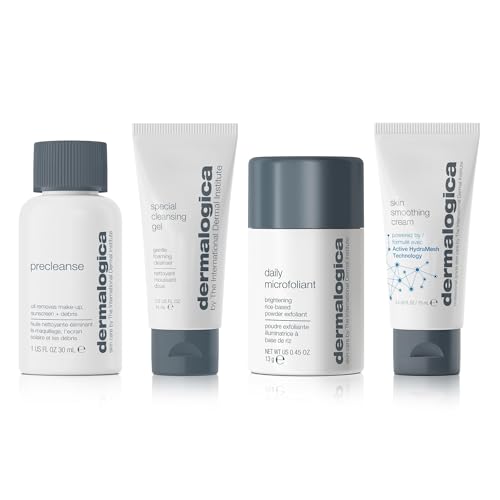
Dermalogica Discover Healthy Skin Kit, 4 Piece Travel Skincare Set
Check price on Amazon
Dermalogica Skin Aging Solutions Kit, Anti Aging Skincare Set, Travel Size
Check price on AmazonDisclaimer
BeautyTipsGuide provides educational content only. Not a substitute for professional medical advice. Always patch-test new products and consult a dermatologist for skin concerns. Some content may use AI. We are not responsible for adverse reactions. By using this site, you accept these terms. If you do not agree, please leave this website and discontinue its use. Read full disclaimer.