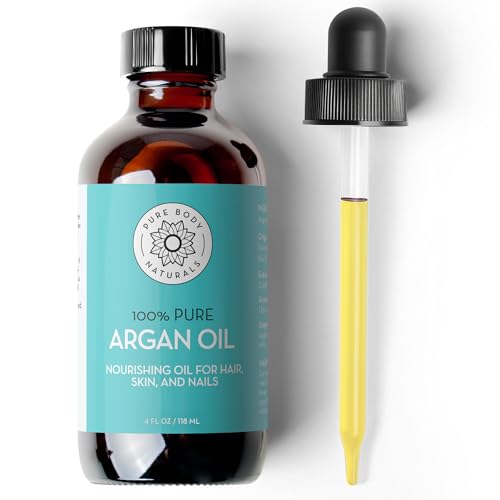
Using Argan Oil on Face: A Complete Guide for Radiant Skin
Discover how this liquid gold from Morocco can transform your skincare routine — from deep hydration to anti-aging benefits.
LEARN HOW TO APPLYWhy argan oil deserves a spot in your skincare routine: Cold-pressed from the kernels of the argan tree native to Morocco, argan oil has been used for centuries as a beauty elixir. Rich in vitamin E, essential fatty acids, and antioxidants, it offers a rare combination of deep hydration without a greasy finish — making it suitable for nearly every skin type when used correctly. This guide walks you through the science, the benefits, and the exact steps to incorporate argan oil into your daily face care.
What Is Argan Oil and Why Is It Called "Liquid Gold"?
Argan oil (Argania spinosa kernel oil) is a plant-based oil extracted from the nuts of the argan tree, which grows almost exclusively in southwestern Morocco. The extraction process is labor-intensive — traditionally done by hand — which is why it earned the nickname "liquid gold."
What sets argan oil apart from other facial oils is its unique fatty acid profile. It contains approximately 80% unsaturated fatty acids, with a high proportion of oleic acid (omega-9) and linoleic acid (omega-6). It also boasts one of the highest natural vitamin E contents of any plant oil, along with phenolic compounds like caffeic acid and ferulic acid that provide antioxidant protection.
For facial use, always choose cosmetic-grade, cold-pressed, unroasted argan oil. Roasted argan oil is intended for culinary use and has a stronger scent that may irritate sensitive skin. If you're exploring other natural oils for your routine, our guide to vitamin E oil for face and organic face oil can help you compare options.
Key Benefits of Using Argan Oil on Your Face
1. Intense Moisture Without the Grease
Argan oil is rich in linoleic acid, which helps reinforce the skin barrier and prevent transepidermal water loss (TEWL). Unlike heavier oils like coconut or mineral oil, argan absorbs relatively quickly, leaving a soft, non-greasy finish. This makes it an excellent choice for dry and dehydrated skin — and even for combination skin when used sparingly.
2. Antioxidant Protection Against Environmental Damage
The high vitamin E content in argan oil helps neutralize free radicals caused by UV exposure and pollution. While it is not a substitute for sunscreen, layering argan oil underneath your SPF can provide an extra layer of antioxidant defense. Learn more about daily protection in our body sunscreen guide.
3. Supports Skin Elasticity and Anti-Aging
Essential fatty acids and antioxidants work together to support collagen production and skin elasticity. Regular use of argan oil may help soften the appearance of fine lines and improve overall skin texture over time. For a targeted approach to aging concerns, pair argan oil with the tips in our eye cream for wrinkles and under-eye cream for wrinkles articles.
4. Balances Oil Production (Yes, Even for Oily Skin)
It may sound counterintuitive, but applying a non-comedogenic oil like argan can actually help regulate sebum production. When skin is stripped of moisture by harsh cleansers, it compensates by producing more oil. Argan oil signals to the skin that hydration is sufficient, helping to reduce excess shine. Those with oily skin should start with 1-2 drops and apply only where needed.
5. Soothes Inflammation and Irritation
The anti-inflammatory properties of argan oil's phenolic compounds can help calm redness and irritation associated with conditions like rosacea or eczema-prone skin. It is generally well-tolerated, but as with any new product, patch-test first. For more soothing natural ingredients, see our guides on aloe vera and tea tree oil for face.
Is Argan Oil Right for Your Skin Type?
Argan oil is remarkably versatile, but how you use it should depend on your skin type. Here's a quick reference:
| Skin Type | Suitability | Recommended Use |
|---|---|---|
| Dry / Dehydrated | Excellent | 3-4 drops as a nighttime moisturizer or layered over serum |
| Oily / Acne-Prone | Good (use sparingly) | 1-2 drops at night only; avoid active breakouts |
| Combination | Very Good | 2-3 drops on dry zones (cheeks, jawline) — skip the T-zone if oily |
| Sensitive | Good (patch-test first) | 1-2 drops of pure, cold-pressed oil; avoid fragranced blends |
| Mature / Aging | Excellent | 3-4 drops nightly; can be mixed with a retinol or peptide serum |
How to Apply Argan Oil on Your Face: Step-by-Step
Using argan oil correctly makes all the difference between a glowing complexion and a greasy one. Follow these steps for best results:
- Cleanse thoroughly. Start with a gentle cleanser appropriate for your skin type. If you use a facial cleansing brush, this is the ideal first step to ensure a clean canvas.
- Apply water-based products first. Serums, toners, and essences should go on before oil, as oil creates a barrier that prevents water-based ingredients from penetrating. If you use a vitamin C serum for dry skin or a hydrating toner, apply it now and let it absorb for 30-60 seconds.
- Warm 2-4 drops between your palms. The amount depends on your skin type and the season. In humid weather, 1-2 drops may suffice; in dry winter months, use 3-4.
- Press, don't rub. Gently press the warmed oil into your skin using your palms, starting with the driest areas (cheeks, jawline) and working outward. Avoid dragging or rubbing, especially around the delicate eye area.
- Finish with SPF in the morning. If applying argan oil during the day, always follow with a broad-spectrum sunscreen. Argan oil is not a sun protectant. See our body sunscreen recommendations for reliable options.
Pro Tip: The "Damp Skin" Method
For maximum hydration, apply argan oil to skin that is still slightly damp after cleansing or toning. The oil helps lock in that extra moisture, enhancing its hydrating effect without feeling heavy. This technique works especially well for dry and mature skin types.
Creative Ways to Incorporate Argan Oil Into Your Routine
- As a nighttime moisturizer: After cleansing and toning, apply 3-4 drops as your final skincare step. For extra nourishment, layer it over a face cream or organic face cream.
- As a serum booster: Mix 1 drop of argan oil with your regular serum or moisturizer to add a hydration boost without changing your entire routine.
- As a makeup primer: A single drop pressed into dry areas before foundation can help prevent flaking and give a natural, dewy finish. For the best base, pair with a top-rated face primer for mature skin.
- As an overnight mask: Combine argan oil with a face mask skin care treatment or use it alone as a leave-on overnight treatment for extremely dry skin.
- As a beard softener: Men can use argan oil as a natural beard conditioner — see our beard oil guide for more grooming tips.
- In DIY beauty recipes: Add a few drops to homemade masks or scrubs. Explore DIY face mask recipes for inspiration.
Precautions and Things to Know Before You Start
- Always patch-test first. Apply a small amount to your inner forearm or jawline and wait 24-48 hours to check for reactions.
- Choose pure, cold-pressed oil. Avoid blends with added fragrance or fillers, which can irritate sensitive skin. Look for cosmetic-grade argan oil in dark glass bottles.
- Store it properly. Argan oil can go rancid over time. Keep it in a cool, dark place and use within 12 months of opening.
- Avoid if you have active breakouts. While argan oil is non-comedogenic, it may aggravate active acne in some individuals. Wait until breakouts clear before incorporating it.
- Don't mix with strong actives without guidance. Argan oil can destabilize certain ingredients like retinol or strong acids. If you use prescription skincare, consult your dermatologist or read our vitamin C and retinol serum guide for safe layering practices.
Argan Oil vs. Other Facial Oils
How does argan oil compare to other popular facial oils? Here's a quick comparison:
| Oil | Best For | Comedogenic Rating | Texture |
|---|---|---|---|
| Argan Oil | All skin types, especially dry and mature | 0-2 (low) | Lightweight, absorbs quickly |
| Jojoba Oil | Oily, acne-prone, combination | 2 (low) | Lightweight, similar to sebum |
| Rosehip Seed Oil | Mature, hyperpigmentation | 1 (low) | Dry, absorbs quickly |
| Coconut Oil | Body use only (not recommended for face) | 4 (high) | Heavy, slow-absorbing |
| Tea Tree Oil | Acne-prone skin (diluted) | N/A (essential oil) | Very light, must be diluted |
If you're considering other natural oils for targeted concerns, explore our articles on tea tree oil for face (for acne) and lavender oil (for soothing). For a more curated approach, check our organic face oil recommendations.
Frequently Asked Questions
Can I use argan oil on my face every day?
Yes, argan oil is generally safe for daily use. Most people can apply it once or twice daily. Start with a small amount to see how your skin responds, and adjust frequency based on your skin's needs.
Is argan oil good for oily skin?
Yes. Argan oil is non-comedogenic and has a low oleic acid content, making it suitable for oily skin. It helps balance sebum production without clogging pores. Use 1-2 drops at night and monitor your skin's response.
Can argan oil cause acne breakouts?
Argan oil has a low comedogenic rating (0-2), meaning it's unlikely to clog pores for most people. However, individual reactions vary. Always patch-test first, and avoid use during active breakouts if you notice worsening.
How much argan oil should I apply to my face?
For facial application, use 2-3 drops. Warm between your palms and gently press into clean, slightly damp skin. For daytime use, 1-2 drops are usually sufficient.
Can I mix argan oil with other skincare products?
Yes. Argan oil can be mixed with moisturizers, serums, or foundation for added hydration. It can also be layered over water-based serums to seal in moisture. Avoid mixing with strong active ingredients like retinol unless advised by a professional.
Ready to Add Argan Oil to Your Routine?
Browse our curated selection of high-quality argan oils and complementary skincare products to complete your routine.
SHOP RECOMMENDED PRODUCTS