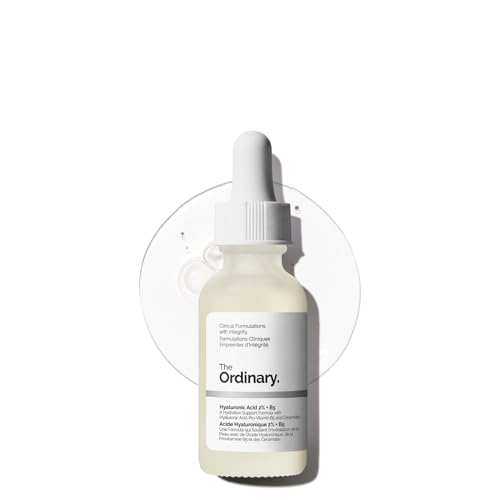
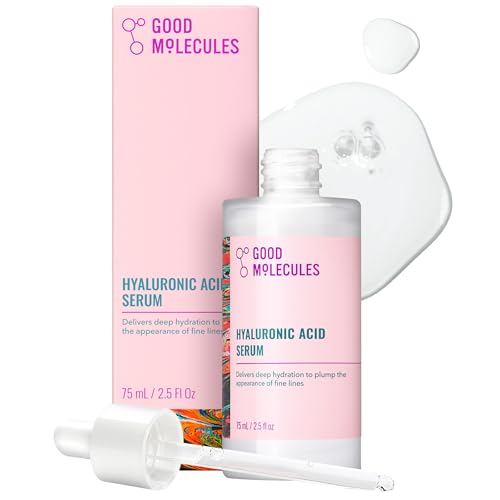
Hyaluronic Acid Skin Care: The Ultimate Guide to Hydrated, Plump Skin
Discover how hyaluronic acid can transform your skin by locking in moisture, reducing fine lines, and giving you that coveted healthy glow. From serums to moisturizers, learn everything you need to know about this powerful skincare ingredient.
Start Your Skincare JourneyIntense Hydration
Holds up to 1,000 times its weight in water, delivering deep moisture to all skin layers
Plumps & Smooths
Reduces the appearance of fine lines and wrinkles by restoring volume to the skin
Strengthens Barrier
Reinforces the skin's natural protective barrier against environmental stressors
All Skin Types
Gentle enough for sensitive skin and non-comedogenic for acne-prone complexions
What is Hyaluronic Acid?
Hyaluronic acid (HA) is a naturally occurring glycosaminoglycan found throughout the human body, with the highest concentrations in the skin, connective tissue, and eyes. Its primary function is to retain water and keep tissues well-lubricated and moisturized. In the skin, HA plays a crucial role in maintaining hydration, elasticity, and firmness.
As we age, our natural HA levels decline, leading to drier skin, fine lines, and loss of firmness. This is where hyaluronic acid skin care comes in – topical applications of HA help replenish what time takes away, restoring hydration and promoting a more youthful appearance.
💡 Key Insight: One molecule of hyaluronic acid can hold up to 1,000 times its weight in water, making it one of the most effective humectants available in skincare today.
How Hyaluronic Acid Works for Your Skin
When applied topically, hyaluronic acid acts as a moisture magnet. It draws water from the environment into the outer layer of your skin, creating a hydration reservoir that keeps your complexion plump, smooth, and radiant. This process not only improves immediate skin texture but also provides long-term benefits for skin health.
For optimal results, hyaluronic acid is most effective when combined with other hydrating ingredients. Many serums and hydrating moisturisers now feature HA alongside complementary ingredients like vitamin C, niacinamide, and ceramides to enhance its benefits.
Those looking for comprehensive care can explore K-beauty skincare routines that often incorporate multiple layers of hydration, including HA-based toners and essences for maximum moisture retention.
Key Benefits of Hyaluronic Acid Skin Care
- Deep Hydration: Delivers moisture to the deepest layers of the epidermis, preventing transepidermal water loss.
- Anti-Aging Effects: Reduces the appearance of fine lines and wrinkles by plumping the skin from within.
- Improved Skin Texture: Smooths rough patches and promotes a softer, more even complexion.
- Faster Healing: Supports skin repair and regeneration, making it ideal for post-treatment recovery.
- Enhanced Absorption: Prepares the skin to better absorb other active ingredients in your routine.
For those dealing with specific concerns like dark spots, combining HA with a dark spot corrector can be particularly effective. Similarly, for dry or aging skin, HA pairs beautifully with a rich skin moisturiser for all-day hydration.
How to Incorporate Hyaluronic Acid Into Your Routine
To get the most out of your hyaluronic acid skin care products, follow these expert-approved steps:
Cleanse Gently
Start with a gentle face cleanser to remove impurities without stripping your skin of natural oils. Damp skin is ideal for HA application.
Apply to Damp Skin
Apply your hyaluronic acid serum to slightly damp skin. This provides extra moisture for the HA to attract and lock into your skin.
Seal with Moisturizer
Follow with a good face moisturizer to lock in the hydration. This creates a moisture barrier that prevents water loss throughout the day.
Always Add SPF
In the morning, finish with a SPF moisturiser or sunscreen to protect your hydrated skin from UV damage.
✅ Pro Tip: For maximum effectiveness, use hyaluronic acid serum twice daily – morning and night. Always apply to damp skin and seal with a moisturizer to prevent moisture evaporation.
Choosing the Best Hyaluronic Acid Products
Not all hyaluronic acid skin care products are created equal. When shopping for HA products, consider the following factors:
- Molecular Weight: Products with multiple molecular weights (low and high) penetrate deeper and provide surface hydration simultaneously.
- Concentration: Look for serums with 1-2% HA concentration – higher percentages don't necessarily mean better results.
- Formulation: Choose products that combine HA with complementary ingredients like vitamin C, ceramides, or peptides for enhanced benefits.
- Skin Type: For sensitive skin, opt for fragrance-free formulas. Oily skin types should look for lightweight, non-comedogenic options.
If you're just starting your skincare journey, consider a beginner-friendly skincare gift set that includes HA products. For those with specific concerns, a dermatologist-recommended dermatologist-recommended skin care routine might be the best approach.
For body care, hyaluronic acid isn't just for the face – you can find HA-infused body lotion and hand creams that provide all-over hydration.
Who Should Use Hyaluronic Acid?
One of the greatest advantages of hyaluronic acid is its universal appeal – it works for virtually everyone. Here's a breakdown of who benefits most:
- All Skin Types: Whether you have oily, dry, combination, or sensitive skin, HA is gentle enough for daily use.
- Aging Skin: As natural HA levels decline with age, topical applications help restore hydration and reduce visible signs of aging.
- Dehydrated Skin: Environmental factors, stress, and harsh skincare can dehydrate the skin – HA helps restore moisture balance.
- Acne-Prone Skin: HA is non-comedogenic and helps maintain skin barrier health without clogging pores.
- Anyone in Dry Climates: HA works best in humid environments but can be used effectively with proper moisturizer application.
For those with specific concerns like dark spots or hyperpigmentation, combining HA with a dark spot remover or tranexamic acid for skin can be particularly effective.
How to Layer Hyaluronic Acid in Your Routine
The order of application matters for optimal results. Here's the ideal sequence:
- Cleanser: Start with a cleanser suited to your skin type.
- Toner: Apply toner to prep and balance your skin.
- Hyaluronic Acid Serum: Apply while your skin is still slightly damp.
- Other Serums: If using additional serums (like vitamin C), apply after HA.
- Moisturizer: Seal everything in with a face cream or moisturizer.
- Sunscreen: In the morning, always finish with broad-spectrum SPF.
For those who prefer a natural skincare approach, HA can be found in both synthetic and naturally-derived forms. Many organic face serum options now feature naturally-derived HA for a more plant-based approach.
Common Mistakes to Avoid with Hyaluronic Acid
- ❌ Applying to Dry Skin: Applying HA to dry skin can actually pull moisture from your skin, leading to dehydration. Always apply to damp skin.
- ❌ Not Following with Moisturizer: HA draws moisture in but won't lock it in – always follow with a moisturizer to create a barrier.
- ❌ Using in Dry Climates: In low-humidity environments, HA may pull moisture from the deeper layers of your skin. Use a humidifier or apply additional hydrating layers.
- ❌ Using Too Much: More isn't always better. 1-2 drops of HA serum is sufficient for the entire face.
- ❌ Pairing with Harsh Actives: If you're using strong exfoliants or retinoids, apply HA first to buffer and soothe the skin.
If you're experiencing irritation, consider switching to a sensitive skin moisturizer or a hypoallergenic makeup routine until your skin adjusts.
Frequently Asked Questions About Hyaluronic Acid Skin Care
What is hyaluronic acid and what does it do for your skin?
Hyaluronic acid is a naturally occurring substance that attracts and retains moisture. In skin care, it acts as a powerful humectant, drawing moisture into the skin to hydrate, plump, and reduce the appearance of fine lines and wrinkles.
Is hyaluronic acid good for all skin types?
Yes, hyaluronic acid is suitable for all skin types including sensitive, oily, dry, and combination skin. It is non-comedogenic, lightweight, and helps balance skin hydration without causing breakouts or irritation.
How often should I use hyaluronic acid serum?
Hyaluronic acid serum can be applied twice daily, morning and night, as part of your regular skincare routine. Apply to damp skin after cleansing and before moisturizer for best results.
Can hyaluronic acid cause breakouts?
Hyaluronic acid itself is non-comedogenic and does not typically cause breakouts. However, if your skin is severely dehydrated, initial use may cause minor purging. Always choose products with minimal ingredients and patch test before full application.
What percentage of hyaluronic acid is best?
1-2% hyaluronic acid concentration is considered optimal for most skin types. Higher concentrations don't necessarily provide better results and may cause irritation in some individuals.
💡 Final Thoughts: Hyaluronic acid is truly a game-changer in skincare. Whether you're looking to address aging concerns, boost hydration, or simply maintain healthy skin, incorporating HA into your routine can deliver remarkable results. Start with a quality serum, apply correctly, and be patient – your skin will thank you.