Dermatologist Recommended Skin Care: Science-Backed Routines & Products
When it comes to skin health, dermatologists are the most trusted experts. Their recommendations are grounded in clinical research and decades of experience. This guide compiles the essential dermatologist-approved advice, ingredients, and products to help you achieve clear, resilient, and radiant skin—no matter your skin type.
Why Trust Dermatologist-Recommended Skin Care?
Dermatologists are medical doctors specializing in skin, hair, and nails. Their recommendations are based on evidence-based medicine and a deep understanding of skin biology. Unlike trendy products or viral social media hacks, dermatologist-backed advice prioritizes safety, efficacy, and long-term skin health.
Whether you have acne-prone skin, rosacea, eczema, or simply want to prevent premature aging, following a dermatologist-recommended routine can help you avoid common pitfalls like over-exfoliation, barrier damage, and using the wrong active ingredients for your skin type.
In this guide, we've curated the core principles that board-certified dermatologists consistently recommend—from the gentle face cleanser you should use morning and night, to the dermatologist-recommended moisturizer that strengthens your skin barrier, and the SPF moisturiser that protects against UV damage.
Top Dermatologist-Approved Ingredients
Retinoids (Vitamin A)
The gold standard for anti-aging and acne. Dermatologists often recommend retinol or prescription tretinoin to boost collagen, unclog pores, and speed cell turnover.
Vitamin C (L-Ascorbic Acid)
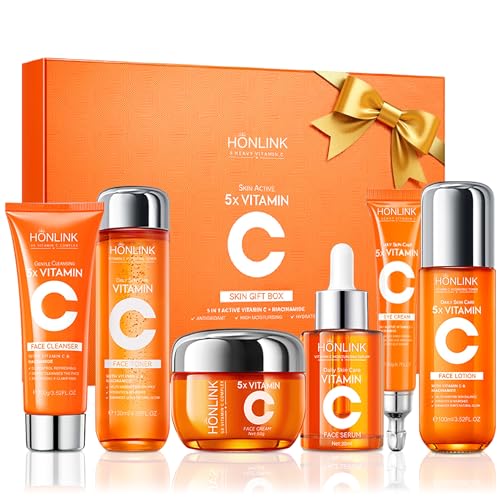
A potent antioxidant that brightens skin, fades dark spots, and protects against environmental damage. Dermatologists recommend using it in the morning under sunscreen.
Niacinamide (Vitamin B3)
Versatile and well-tolerated, niacinamide soothes redness, minimizes pores, and supports the skin barrier. It's a favorite for sensitive skin moisturizer formulations.
Hyaluronic Acid & Glycerin
Powerful humectants that draw moisture into the skin. Dermatologists recommend them for all skin types to maintain hydration and plumpness.
Ceramides
Lipids that restore the skin barrier. Essential for those with eczema, dry skin, or compromised barriers. Found in many non-comedogenic moisturisers.
Azelaic Acid
An underrated ingredient for rosacea, acne, and hyperpigmentation. It's gentle yet effective, often recommended for sensitive or redness-prone skin.
The Dermatologist-Approved Daily Routine
A consistent, simplified routine is the foundation of healthy skin. Here's the step-by-step framework that dermatologists recommend for most people:
- Gentle Cleanse (AM & PM) — Use a dermatologist-recommended face wash that doesn't strip the skin. Avoid sulfates and harsh surfactants.
- Treatment Serums (AM) — Apply a Vitamin C serum to protect against free radicals. Follow with a niacinamide or hyaluronic acid serum if desired.
- Moisturize (AM & PM) — Lock in hydration with a good face moisturizer that suits your skin type. For oily skin, use a lightweight gel; for dry skin, a richer cream.
- Sun Protection (AM) — Apply a broad-spectrum SPF 30+ every single day. Dermatologists consider sunscreen the most important anti-aging step.
- Treatment (PM) — On alternating nights, use a retinoid (retinol or prescription) to promote cell turnover. On other nights, use a gentle exfoliant like azelaic acid or a hydrating serum.
- Eye Cream (Optional) — If you have concerns about dark circles or fine lines, apply an eye cream for wrinkles around the orbital bone.
💡 Dermatologist Tip: "Less is more. A simple routine with proven ingredients—cleanser, moisturizer, sunscreen, and a retinoid—is more effective than a 10-step regimen with unproven actives." — Dr. Sarah Chen, Board-Certified Dermatologist.
Dermatologist-Recommended Solutions for Common Concerns
Acne & Breakouts
Dermatologists often recommend benzoyl peroxide or salicylic acid for mild acne, and retinoids or azelaic acid for persistent cases. A non-comedogenic makeup and oil-free moisturizer are also advised.
Hyperpigmentation & Dark Spots
Top choices include hydroquinone (short-term), tranexamic acid, vitamin C, and retinoids. Sunscreen is non-negotiable to prevent dark spots from worsening. Explore dark spot remover options with dermatologist-backed ingredients.
Sensitive Skin & Rosacea
Dermatologists recommend a minimal routine with a gentle face cleanser, a soothing moisturizer with ceramides or oat extract, and mineral sunscreen (zinc oxide or titanium dioxide). Avoid fragrances and alcohol.
Aging & Fine Lines
Retinoids are the cornerstone. Pair with a vitamin C serum in the morning and a hydrating moisturiser with peptides or growth factors. Sunscreen is essential to prevent further photoaging.
Expert Tips: What Dermatologists Want You to Know
- ✓ Patch test new products — Apply a small amount behind your ear or on your inner arm for 48 hours before using on your face.
- ✓ Sunscreen is non-negotiable — Even on cloudy days or when indoors (UV rays penetrate windows). Use a SPF moisturiser to simplify your routine.
- ✓ Don't over-exfoliate — Limit chemical exfoliants (AHA/BHA) to 2–3 times per week. Over-exfoliation damages the skin barrier.
- ✓ Read ingredient labels — Look for products with hypoallergenic makeup and fragrance-free formulations if you have sensitive skin.
- ✓ Consult a dermatologist for persistent issues — For conditions like cystic acne, severe rosacea, or unusual moles, always seek professional care.
Ready to Build Your Dermatologist-Approved Routine?
Now that you know the science-backed ingredients and routines recommended by dermatologists, it's time to choose products that fit your skin type and concerns. The products below are carefully selected to align with dermatologist principles—clean formulas, proven actives, and optimal concentrations. Explore our recommendations and take the next step toward healthier skin.
💡 Pro Tip: Start with a basic routine (cleanser, moisturizer, SPF, retinoid) and gradually introduce serums based on your specific goals.