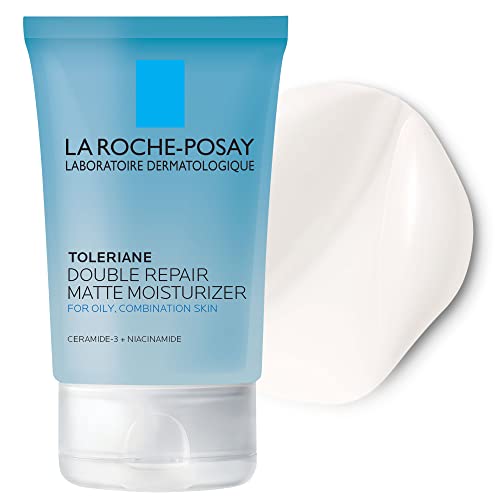
Dermatologist Recommended Moisturizer: Your Complete Guide
Choosing the right moisturizer is one of the most important decisions for your skin's health. Dermatologists agree that a good moisturizer strengthens the skin barrier, prevents moisture loss, and protects against environmental damage. This guide breaks down the science, ingredients, and top picks so you can find your perfect match.
What Makes a Moisturizer Dermatologist-Recommended?
A dermatologist recommended moisturizer isn't just a marketing label. It means the product has been evaluated for its safety, efficacy, and suitability for various skin types, including sensitive skin. Dermatologists look for three key components: humectants (to attract water), emollients (to smooth the skin), and occlusives (to seal in moisture).
The best formulations are often fragrance-free, non-comedogenic, and hypoallergenic. They also contain ingredients that support the skin's natural barrier, such as ceramides, niacinamide, and hyaluronic acid. If you're unsure where to start, a dermatologist-recommended skin care routine is a great foundation.
Key Ingredients in the Best Dermatologist-Approved Moisturizers
Not all moisturizers are created equal. The most effective ones contain scientifically-backed ingredients that address specific skin concerns. Below are the star ingredients you'll find in top-tier dermatologist approved moisturizers.
🧴 Ceramides
Lipids that restore the skin barrier. Ideal for eczema, dryness, and sensitive skin. Look for ceramide NP, AP, or EOP.
💧 Hyaluronic Acid
A powerful humectant that holds 1000x its weight in water. Plumps and hydrates without clogging pores.
🌿 Niacinamide (Vitamin B3)
Calms redness, minimizes pores, and improves barrier function. Suitable for acne-prone and aging skin.
🧈 Shea Butter
A rich emollient with anti-inflammatory properties. Excellent for very dry or mature skin.
⚕️ Panthenol (Pro-Vitamin B5)
Soothing and healing. Often used in post-procedure skincare to reduce irritation.
🧪 Squalane
A lightweight, non-greasy moisturizer that mimics the skin's natural oils. Great for all skin types.
How to Choose the Right Moisturizer for Your Skin Type
Even the best dermatologist recommended moisturizer can fail if it doesn't match your skin's unique needs. Here's a quick guide:
- Dry/Dehydrated Skin: Opt for rich creams with ceramides, shea butter, and hyaluronic acid. Avoid alcohol-based formulas.
- Oily/Acne-Prone Skin: Choose lightweight, oil-free gels or lotions with niacinamide or hyaluronic acid. Non-comedogenic is a must.
- Sensitive/Reactive Skin: Prioritize fragrance-free, hypoallergenic formulas with minimal ingredients. Panthenol and oat extract are soothing.
- Combination Skin: A balanced lotion that hydrates without greasiness works best. Look for "balance" or "normal to combination" labels.
- Mature/Aging Skin: Peptides, retinol (in night formulas), and antioxidants like vitamin C can address fine lines and loss of firmness.
If you have specific concerns like rosacea or eczema, consulting a dermatologist is always recommended. You can also explore sensitive skin moisturizer options for tailored care.
Why Moisturizer is Non-Negotiable for Skin Health
Moisturizing isn't just about comfort—it's a fundamental pillar of skin health. A compromised skin barrier can lead to transepidermal water loss (TEWL), which triggers inflammation, premature aging, and even breakouts. Studies show that consistent use of a dermatologist recommended moisturizer can:
- Reduce fine lines and wrinkles by keeping the skin plump.
- Prevent flare-ups in conditions like eczema and psoriasis.
- Improve the efficacy of other active ingredients (e.g., retinol, vitamin C).
- Protect against environmental aggressors like pollution and UV radiation.
Top Dermatologist-Recommended Moisturizer Categories
Based on expert consensus and clinical data, these categories consistently rank high among dermatologists:
1. Ceramide-Rich Barrier Creams
These are the gold standard for repairing and maintaining the skin barrier. Brands like CeraVe, Cetaphil, and Vanicream are frequently recommended. They are excellent for daily use and post-procedure care.
2. Hyaluronic Acid Gel-Creams
Perfect for hydration without heaviness. Ideal for oily, combination, and aging skin. Popular options include Neutrogena Hydro Boost and La Roche-Posay Hyalu B5.
3. Soothing Balms for Sensitive Skin
Formulas with oat extract, allantoin, and panthenol are derm-favorites for redness and irritation. Look for Aveeno Calm + Restore or La Roche-Posay Toleriane.
4. Multi-Tasking Moisturizers with SPF
For daytime, a moisturizer with broad-spectrum SPF 30+ is a dermatologist's dream. It simplifies your routine and ensures consistent sun protection.
If you're exploring other skincare staples, consider these dermatologist-recommended products: dermatologist recommended face wash and gentle face cleanser to complete your routine.
How to Shop for a Dermatologist-Approved Moisturizer
When browsing for a dermatologist recommended moisturizer, keep these tips in mind:
- Read the ingredient list: Avoid fragrances, essential oils, and drying alcohols (like denatured alcohol) if you have sensitive skin.
- Check for clinical testing: Look for "dermatologist-tested" or "clinically proven" on the label.
- Consider your budget: Effective moisturizers are available at every price point. Drugstore options often perform just as well as luxury brands.
- Don't forget the neck and décolletage: These areas need moisture too.
For a curated selection, browse our recommended products below. These are top-rated, dermatologist-backed choices that cater to a variety of skin types and concerns.