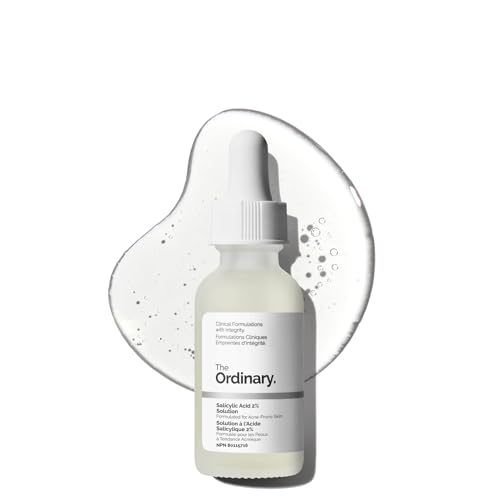
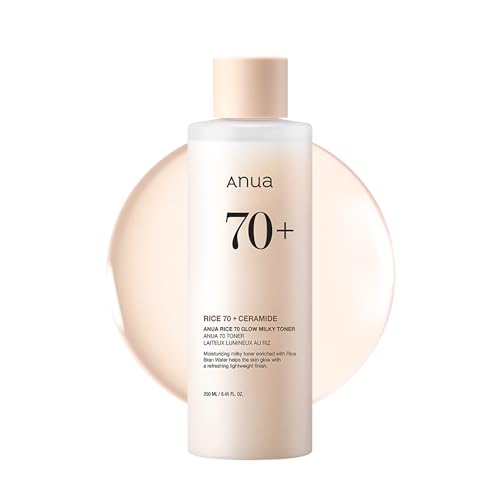
Toner for Pimple Prone Skin – Clear & Soothe Without Drying
Discover the best toners that gently exfoliate, balance oil, and calm acne-prone skin — without stripping your moisture barrier.
If you have pimple prone skin, choosing the right toner can make a world of difference. The right formula helps remove excess oil, unclog pores, and deliver active ingredients that calm breakouts while keeping your skin hydrated. But with so many options on the market, how do you know which one is right for you?
💡 Key Insight: The best toner for pimple prone skin is oil-free, non-comedogenic, and contains active ingredients like salicylic acid, glycolic acid, or soothing botanicals like green tea and centella asiatica. Avoid toners with high concentrations of alcohol, which can trigger more oil production and irritation.
Why Use a Toner for Acne-Prone Skin?
Toners are often misunderstood as harsh astringents that dry out the skin. But modern toners are hydrating, soothing, and treatment-oriented. For pimple prone skin, a well-formulated toner can:
- Remove residual impurities after cleansing — including makeup, dirt, and excess sebum that can clog pores.
- Balance the skin’s pH level after using a cleanser, creating an environment that supports healthy skin function.
- Deliver active ingredients like salicylic acid, niacinamide, or tea tree oil directly to the skin.
- Calm inflammation and redness associated with active breakouts.
- Prep the skin for better absorption of serums and moisturizers that follow.
When integrated into a consistent skincare routine, a toner for pimple prone skin can significantly reduce the frequency and severity of breakouts while keeping your skin comfortable and hydrated.
Key Ingredients to Look For
Not all toners are created equal. Here are the most effective ingredients for acne-prone skin, along with what they do and how they benefit you.
| Ingredient | Function | Best For |
|---|---|---|
| Salicylic Acid (BHA) | Oil-soluble exfoliant that penetrates pores | Blackheads, whiteheads, inflamed acne |
| Glycolic Acid (AHA) | Gentle surface exfoliation | Dead skin cell buildup, dullness |
| Niacinamide (Vitamin B3) | Reduces inflammation, controls sebum | Redness, large pores, hyperpigmentation |
| Green Tea Extract | Antioxidant, soothes irritation | Sensitive, inflamed skin |
| Centella Asiatica (Cica) | Healing and calming | Post-acne redness, barrier repair |
| Tea Tree Oil | Antimicrobial, antibacterial | Active breakouts, cystic acne |
| Hyaluronic Acid | Hydration without clogging pores | Dehydrated, oily skin |
What to Avoid in a Toner
While the right ingredients can transform your skin, the wrong ones can worsen breakouts and sensitivity. Avoid toners that contain:
- High concentrations of denatured alcohol – strips the skin, leading to rebound oil production.
- Fragrance and essential oils – common irritants that can trigger inflammation in acne-prone skin.
- Comedogenic oils – such as coconut oil or mineral oil in toner formulas (rare, but check the label).
- Harsh astringents like witch hazel in high amounts – can cause dryness and irritation over time.
📌 Expert Tip: Look for toners labeled "non-comedogenic" and "fragrance-free" to minimize the risk of clogged pores and irritation.
How to Apply Toner for Best Results
Proper application ensures you get the full benefit of your toner. Here’s a step-by-step guide:
- Step 1 – Cleanse: Wash your face with a gentle, non-drying cleanser suited for acne-prone skin.
- Step 2 – Apply Toner: Pour a small amount onto a cotton pad or your palms. Gently sweep over your face, avoiding the eye area. Alternatively, pat it in with clean hands for less waste.
- Step 3 – Wait: Allow the toner to absorb for 30–60 seconds before moving to the next step. This gives active ingredients time to work.
- Step 4 – Serum & Moisturize: Follow with a targeted serum (like non-comedogenic vitamin C serum) and a lightweight, oil-free moisturizer.
Use your toner twice daily — morning and evening — as part of your complete skincare routine. If you experience dryness, reduce to once a day or switch to a more hydrating formula.
Choosing the Right Toner for Your Skin Type
Even within pimple prone skin, there are variations. Here’s how to tailor your choice:
- Oily and acne-prone: Opt for a toner with salicylic acid or glycolic acid to control oil and exfoliate. Look for lightweight, water-based formulas.
- Combination skin with breakouts: Choose a gentle balancing toner with niacinamide and green tea — it won’t over-dry your drier areas.
- Sensitive and acne-prone: Go for a soothing toner with centella asiatica, aloe vera, or hyaluronic acid. Avoid acids if your skin is highly reactive; consider a PHA (polyhydroxy acid) toner instead.
- Dry skin with occasional breakouts: Use a hydrating toner with hyaluronic acid and a low concentration of salicylic acid or PHA. This exfoliates without stripping moisture.
For targeted concerns like post-acne marks, consider a toner with niacinamide or vitamin C to help fade hyperpigmentation over time.
How Toner Compares to Other Acne Treatments
A toner is a supportive product, not a standalone solution. Here’s how it fits into your broader acne-fighting toolkit:
- Toners vs. Cleansers: Cleansers remove dirt and oil; toners refine and treat. Use both for best results.
- Toners vs. Serums: Serums have higher concentrations of active ingredients. A toner prepares the skin, making serums more effective.
- Toners vs. Moisturizers: Toners provide lightweight hydration; moisturizers lock it in. Even oily, acne-prone skin needs a good moisturizer to maintain barrier health.
- Toners vs. Spot Treatments: Spot treatments target individual pimples; toners work across the entire face to prevent future breakouts.
A well-rounded routine might include a gentle cleanser, a toner for pimple prone skin, a targeted serum like hyaluronic acid serum for oily skin, and a sunscreen for all skin types in the morning.
Frequently Asked Questions
Can toner make acne worse?
Yes — if it contains harsh alcohols, fragrances, or comedogenic ingredients. That's why it's critical to choose a non-comedogenic, alcohol-free toner formulated specifically for pimple prone skin.
How long does it take to see results?
Most people notice reduced oiliness and fewer new breakouts within 2 to 4 weeks of consistent use. Improvements in hyperpigmentation and texture may take 6 to 8 weeks.
Can I use a toner every day?
Yes, most toners for pimple prone skin are safe for daily use, morning and night. If your toner contains exfoliating acids, start with once daily and increase as your skin tolerates it.
Is toner necessary for acne-prone skin?
While not strictly necessary, a good toner can significantly improve the effectiveness of your routine by balancing pH, removing residual impurities, and delivering active ingredients. Many people find it an essential step for managing breakouts.
What should I apply after toner?
After your toner, apply a serum (like face brightening serum), followed by a moisturizer suitable for acne-prone skin. In the morning, finish with sunscreen.
🛒 Ready to shop? Below you’ll find our top recommended toners and complementary products for pimple prone skin. Each product has been carefully selected based on ingredient quality, user reviews, and value for money. All links are affiliate links — we may earn a small commission at no extra cost to you.
Remember, finding the right toner may take some trial and error. Start with a formula that matches your primary concern (exfoliation, soothing, or hydration) and adjust as your skin responds. Pair it with other non-comedogenic products like a makeup primer or gentle exfoliator to build a comprehensive routine that keeps your skin clear, calm, and radiant.