The Ultimate Sunscreen Guide for All Skin Types
Discover how to choose the perfect SPF for your unique skin type. From oily and acne-prone to dry and sensitive, find your ideal sunscreen match today.
START YOUR SUN PROTECTION JOURNEYWhy Sunscreen Matters for Every Skin Type: Sunscreen is the single most important step in any skincare routine. It protects your skin from harmful UV rays, prevents premature aging, reduces the risk of skin cancer, and helps maintain an even skin tone. But with so many options available, choosing the right sunscreen for your specific skin type can feel overwhelming. This comprehensive guide breaks down everything you need to know about sunscreen for all skin types, so you can make an informed decision and keep your skin healthy and protected.
What Does SPF Actually Mean?
SPF stands for Sun Protection Factor. It measures how well a sunscreen protects your skin from UVB rays, the type of radiation that causes sunburn and contributes to skin cancer. The number tells you how long it would take for UVB rays to redden your skin compared to wearing no sunscreen. For example, SPF 30 means it would take 30 times longer for your skin to burn than without protection. However, SPF does not measure UVA protection, which is why you need a broad-spectrum sunscreen that shields against both UVA and UVB rays.
Dermatologists generally recommend using a sunscreen with at least SPF 30 for daily wear and SPF 50 for extended outdoor activities. Higher SPF numbers offer slightly more protection, but no sunscreen blocks 100% of UV rays. The key is to apply enough product and reapply regularly, especially after swimming, sweating, or towel drying.
SPF Protection Levels Explained
| SPF Level | UVB Protection | Best For |
|---|---|---|
| SPF 15 | ~93% | Daily indoor use, low sun exposure |
| SPF 30 | ~97% | Everyday use, short outdoor activities |
| SPF 50 | ~98% | Extended outdoor activities, sunny climates |
| SPF 50+ | ~98%+ | High sun exposure, sensitive skin, fair skin |
Chemical vs. Mineral Sunscreen: What's the Difference?
Understanding the two main types of sunscreen is crucial for selecting the right product for your skin. Chemical sunscreens absorb UV rays and convert them into heat, which is then released from the skin. They typically contain active ingredients like avobenzone, oxybenzone, octisalate, and octocrylene. These sunscreens are often lighter and spread more easily, making them great for daily wear under makeup.
On the other hand, mineral sunscreens (also called physical sunscreens) sit on top of the skin and physically block UV rays. They contain zinc oxide or titanium dioxide, which reflect sunlight away from the skin. Mineral sunscreens are generally better for sensitive skin as they are less likely to cause irritation. They also provide immediate protection upon application, unlike chemical sunscreens which need about 20 minutes to become effective.
Choosing Sunscreen for Your Skin Type
Not all sunscreens work the same on every skin type. Here’s a detailed breakdown of what to look for based on your specific skin concerns:
Oily & Acne-Prone Skin
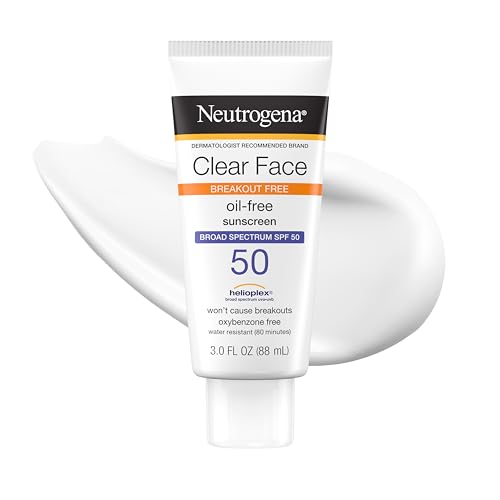
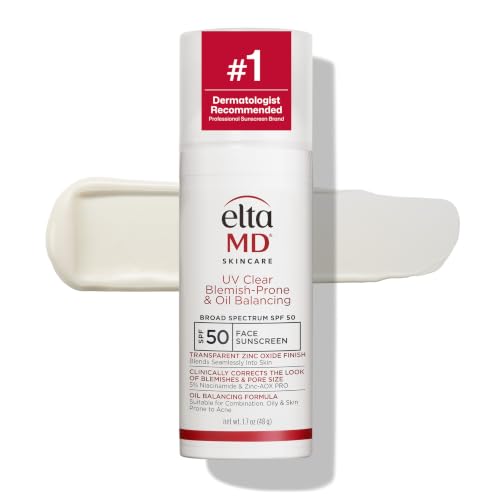
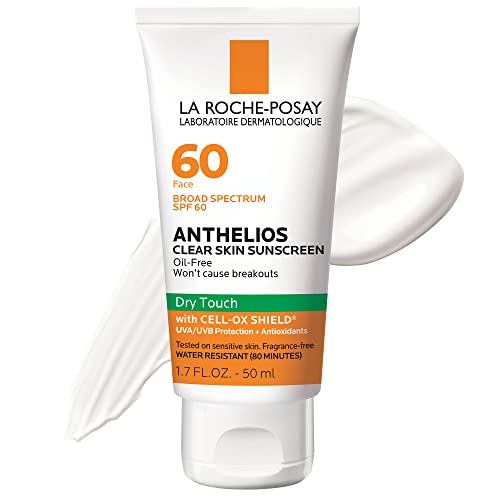
Look for oil-free, non-comedogenic formulas labeled "matte" or "gel-based." Mineral sunscreens with zinc oxide can also help soothe inflammation. Avoid heavy creams and ingredients like coconut oil that can clog pores. Consider a gentle chemical exfoliant at night to keep pores clear, but always use sunscreen daily.
Dry & Dehydrated Skin
Opt for hydrating sunscreens with ingredients like hyaluronic acid, glycerin, or ceramides. Cream-based formulas provide moisture while protecting your skin. Mineral sunscreens with a moisturizing base are also excellent choices. Pair your sunscreen with a good deep moisturizer for face to lock in hydration.
Sensitive Skin
Mineral sunscreens with zinc oxide or titanium dioxide are the safest options for sensitive skin. They are less likely to cause stinging, redness, or allergic reactions. Look for fragrance-free and alcohol-free formulas. Non-toxic skincare products are generally gentler on sensitive skin.
Combination Skin
Choose a lightweight, water-based sunscreen that balances hydration without feeling greasy. Gel-cream hybrids work well for combination skin. Apply more moisturizing products on dry areas and lighter formulas on the T-zone. A good face brightening serum can also help even out skin tone while you protect from the sun.
Aging / Mature Skin
Look for sunscreens with added skincare benefits like antioxidants (vitamin C, vitamin E) and peptides. These help protect against free radical damage while providing anti-aging benefits. A tinted sunscreen can also help even out skin tone. Consider using a vitamin C antioxidant serum under your sunscreen for enhanced protection.
Dark Skin Tones
Mineral sunscreens can leave a white cast, but many brands now offer tinted versions that blend well with deeper skin tones. Chemical sunscreens or hybrid formulas are also excellent choices. Look for sheer or clear gels that won't leave a residue. Remember that black skin care requires special attention to avoid ashy-looking sunscreens.
How to Apply Sunscreen for Maximum Protection
Even the best sunscreen won't protect you if you don't apply it correctly. Follow these expert tips to ensure you get the full benefits:
- Apply enough: Use about a shot glass full (1 ounce) for your entire body. For your face, use a nickel-sized amount or the "two-finger" method (squeeze sunscreen along the length of your index and middle fingers).
- Apply early: Apply sunscreen at least 15-30 minutes before sun exposure. Mineral sunscreens work immediately, but chemical sunscreens need time to absorb.
- Don't forget these areas: Apply sunscreen to your ears, neck, back of hands, feet, and any bald spots on your scalp.
- Reapply regularly: Reapply every 2 hours, or immediately after swimming, sweating, or towel drying.
- Layer properly: Sunscreen should be the last step of your skincare routine before makeup. Wait a few minutes for it to absorb before applying foundation or powder.
- Use a lip balm with SPF: Your lips need protection too. A lip balm for cracked lips with SPF 15 or higher can prevent sun damage and keep your lips healthy.
Debunking Common Sunscreen Myths
There are many misconceptions about sunscreen that can lead to inadequate protection. Let's clear up the most common myths:
- Myth: Dark skin doesn't need sunscreen. While darker skin has more natural protection, it still needs sunscreen to prevent hyperpigmentation, premature aging, and skin cancer.
- Myth: Makeup with SPF is enough. Most people don't apply enough makeup to get the full SPF protection. Always layer a dedicated sunscreen underneath your makeup.
- Myth: Sunscreen causes vitamin D deficiency. You only need about 10-15 minutes of sun exposure without sunscreen to produce adequate vitamin D. You can also get vitamin D from supplements and food.
- Myth: Sunscreen is waterproof. No sunscreen is completely waterproof. Always reapply after swimming or heavy sweating.
- Myth: Sunscreen only needs to be applied on sunny days. Up to 80% of UV rays can penetrate clouds. Wear sunscreen every day, regardless of the weather.
How to Combine Sunscreen with Makeup
Layering sunscreen with makeup doesn't have to be complicated. For the best results, start with a well-moisturized face, then apply a generous layer of sunscreen and let it absorb for 2-3 minutes. Follow with your make-up primer to create a smooth canvas for foundation. If you're using a mineral sunscreen, a lightweight primer can help it blend more evenly. For touch-ups throughout the day, consider using a powder sunscreen or a setting spray with SPF. You can also choose a tinted sunscreen that acts as both protection and light coverage, simplifying your routine.
Sunscreen for Different Activities
Not all sunscreens are created equal when it comes to different activities. Here's what to consider:
- Everyday wear: Lightweight, moisturizing sunscreen with SPF 30 is perfect for daily use under makeup.
- Outdoor activities & sports: Choose water-resistant sunscreen with SPF 50 or higher. Look for "sport" formulas that are sweat-resistant.
- Beach & swimming: Use a water-resistant sunscreen and reapply immediately after swimming. Mineral sunscreens are often more reef-safe.
- High altitude & snow: UV radiation increases at higher altitudes and reflects off snow. Use SPF 50+ and reapply frequently.
- Driving: UVA rays can penetrate car windows. Apply sunscreen to your face, hands, and arms every day.
Additional Sun Protection Tips
While sunscreen is essential, it works best as part of a comprehensive sun protection strategy. Here are additional ways to protect your skin:
- Seek shade: Especially between 10 AM and 4 PM when UV rays are strongest.
- Wear protective clothing: Long sleeves, wide-brimmed hats, and sunglasses with UV protection.
- Consider UPF clothing: Clothing with a UV Protection Factor (UPF) rating provides extra defense.
- Check the UV index: Plan your outdoor activities based on the UV index in your area.
- Use a body sunscreen: Don't forget to protect your body with a dedicated body sunscreen lotion.
Final Thoughts: Find Your Perfect Sunscreen
Finding the right sunscreen for your skin type is a journey, but it's one of the most important investments you can make in your skin's health. Start by understanding your skin type, choose a broad-spectrum sunscreen with at least SPF 30, and consider whether a chemical or mineral formula works best for you. Remember that consistency is key – make sunscreen a non-negotiable part of your daily routine, rain or shine. By protecting your skin today, you're investing in healthier, more youthful-looking skin for years to come.
If you're unsure where to start, browse the recommended products below. We've curated some of the best sunscreens for all skin types to help you find your perfect match. Always remember to patch-test new products and consult with a dermatologist if you have specific skin concerns. For more skincare tips, explore our guides on Korean skincare for glass skin and face and skin care products.