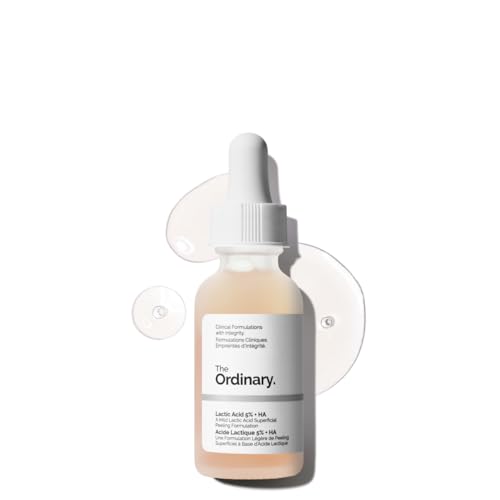
Gentle Chemical Exfoliant for Sensitive Skin
The ultimate guide to safe, effective exfoliation without redness or irritation. Discover which acids work best for your skin type.
What Is a Gentle Chemical Exfoliant?
A gentle chemical exfoliant is a skincare product that uses mild acids or enzymes to dissolve dead skin cells, revealing smoother, brighter skin underneath. Unlike physical scrubs, chemical exfoliants work without friction, making them ideal for sensitive skin that reacts easily to abrasive particles.
For those with sensitive skin, finding the right exfoliant can feel like a minefield. Harsh ingredients often lead to stinging, redness, and compromised barrier function. That's why understanding which acids are truly gentle is essential for achieving a glowing complexion without the burn.
If you're new to chemical exfoliation, start slowly. Our Getting Started guide offers beginner-friendly advice on building a safe routine. For a complete skincare approach, explore our face and skin care products collection for additional support.
Best Chemical Exfoliants for Sensitive Skin
Not all acids are created equal. Here are the gentlest options that deliver results without overwhelming your skin barrier.
Mandelic Acid
Type: AHA
Mildness: ★★★★★
With a large molecular size, mandelic acid penetrates slowly, minimizing irritation. It's perfect for beginners and those with rosacea or easily flushed skin.
Lactic Acid
Type: AHA
Mildness: ★★★★☆
Lactic acid is naturally derived and has hydrating properties. In lower concentrations (5–10%), it gently exfoliates while supporting moisture retention.
PHA (Polyhydroxy Acid)
Type: PHA
Mildness: ★★★★★
PHAs are the newest generation of gentle exfoliants. Their larger molecular size means they work slowly on the surface, making them ideal for extremely sensitive or eczema-prone skin.
Gluconolactone
Type: PHA
Mildness: ★★★★★
A specific type of PHA, gluconolactone offers antioxidant benefits alongside gentle exfoliation. It's often found in products designed for post-procedure care.
💡 Expert Tip: For sensitive skin, always start with a lower concentration (e.g., 5% mandelic acid or 10% PHA) and use it 1–2 times per week. Gradually increase frequency as your skin builds tolerance. Patch-testing is non-negotiable.
If you're curious about other exfoliation options, our guide on gentle exfoliator for dry skin offers additional insights. For those who prefer physical exfoliation, you might find our baking soda exfoliant for face article helpful (though always exercise caution with sensitive skin).
How to Use Chemical Exfoliants on Sensitive Skin
Following the right steps prevents over-exfoliation and ensures you get the benefits without the backlash.
- Start Low and Slow: Begin with a product containing 5–10% active acid. Use it once a week for the first two weeks, then increase to twice a week if no irritation occurs.
- Apply to Clean, Dry Skin: Chemical exfoliants work best on freshly cleansed skin. Wait until your face is completely dry before applying to avoid uneven absorption.
- Use at Night: Exfoliating in the evening allows your skin to regenerate overnight. Always follow with a rich moisturizer to support barrier recovery.
- Never Skip Sunscreen: Chemical exfoliants make your skin more photosensitive. Apply a broad-spectrum SPF 30+ every morning. Check our sunscreen for all skin types guide for the best protection.
- Listen to Your Skin: If you feel persistent stinging or see prolonged redness, reduce frequency or switch to a milder PHA-based product.
For a complete routine, explore our collection of face and skin care products to find complementary cleansers and moisturizers that support your exfoliation journey.
Top Product Recommendations
When choosing a gentle chemical exfoliant for sensitive skin, look for formulations that combine mild acids with soothing ingredients like aloe vera, centella asiatica, or ceramides. Avoid products with added fragrance, alcohol, or essential oils that can trigger reactions.
Many of the best options for sensitive skin feature mandelic acid or PHAs as their primary active. Some popular choices include serums, toners, and even gentle peel pads designed for at-home use.
You can explore a curated selection below, featuring products that prioritize both efficacy and skin comfort. For more recommendations, visit our face and skin care products page.
Benefits of Chemical Exfoliation for Sensitive Skin
When done correctly, chemical exfoliation offers transformative benefits for sensitive skin types:
- Brighter Complexion: Removing dead cells reveals fresher, more radiant skin.
- Smoother Texture: Helps soften rough patches and refine the skin's surface.
- Improved Product Absorption: Serums and moisturizers penetrate deeper, making your entire routine more effective.
- Reduced Breakouts: Unclogs pores gently, minimizing blackheads and congestion.
- Even Skin Tone: Helps fade hyperpigmentation and sun spots over time.
For persistent concerns like dark circles or hyperpigmentation, combine exfoliation with targeted treatments like vitamin C serum for dark circles. If you're dealing with acne-prone sensitive skin, our toner for pimple-prone skin guide provides additional support.
Potential Side Effects and How to Avoid Them
Even gentle chemical exfoliants can cause reactions if used incorrectly. Here's what to watch for and how to prevent it:
- Mild Stinging: A slight tingling sensation is normal, but burning or sharp pain means the product is too strong. Reduce frequency or switch to a PHA alternative.
- Redness: Temporary flushing may occur, but if it persists for more than an hour, your skin is telling you to back off.
- Dryness or Flaking: This is a sign of over-exfoliation. Scale back to once every 10 days and focus on barrier repair with ceramide-rich creams.
⚠️ Important: Never combine multiple exfoliating products (e.g., retinol + AHA) on the same night. Introduce one active at a time to isolate any negative reactions. And always patch-test new products before full application.
If you experience persistent irritation, consult a dermatologist. For general skincare advice, you can also check our disclaimer page for further guidance on safe usage.
Frequently Asked Questions
Can I use a chemical exfoliant if I have rosacea?
Yes, but choose mandelic acid or PHAs specifically. Start with a low concentration and always test on a small area first. Avoid using exfoliants during active flare-ups.
How often should I exfoliate sensitive skin?
Once or twice a week is sufficient. Over-exfoliation can damage your moisture barrier, leading to increased sensitivity and breakouts.
Is lactic acid safe for sensitive skin?
Yes, especially in lower concentrations (5–10%). Lactic acid also provides hydrating benefits, making it a good choice for sensitive, dry skin types.
What's the difference between AHA and PHA?
PHAs have a larger molecular size than AHAs, meaning they penetrate more slowly and cause less irritation. PHAs are generally recommended for the most sensitive skin.
For a deeper dive into skincare ingredients, check out our guides on face and skin care products and our natural beauty section.
Conclusion: Glowing Skin Without the Burn
Finding the right gentle chemical exfoliant for sensitive skin doesn't have to be a guessing game. By choosing mild acids like mandelic acid, lactic acid, or PHAs, you can enjoy the benefits of exfoliation without compromising your skin's barrier.
Remember to start slowly, listen to your skin, and always prioritize hydration and sun protection. With patience and the right products, you can achieve a smoother, brighter, healthier complexion.
Ready to begin? Explore our curated product recommendations below to find the perfect match for your sensitive skin routine.