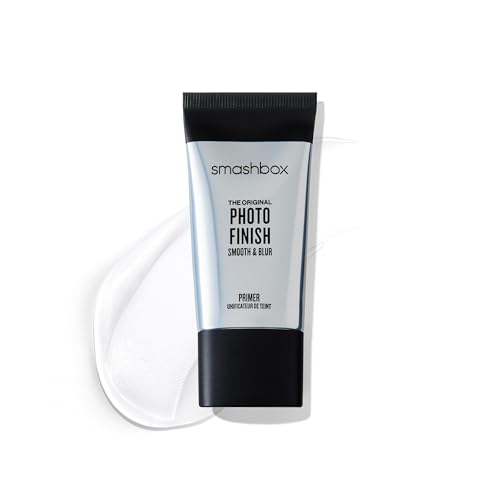
Makeup Primer: The Ultimate Guide to a Flawless Base
Discover everything you need to know about makeup primers. From types and benefits to application tips, we help you choose the best primer for your skin type.
Shop Top PrimersWhy Use a Primer? A primer creates a smooth canvas for your makeup, extends wear time, minimizes pores, and controls oil. It is the secret to a professional-looking finish that lasts all day.
What is Makeup Primer and Why Do You Need It?
A makeup primer is a preparatory product applied after your skincare routine and before your foundation. Think of it as the base coat for your face—it fills in fine lines, blurs imperfections, and helps your makeup adhere better and last longer. Whether you have oily, dry, or combination skin, there is a primer formulated to address your specific concerns.
Using a primer can transform your makeup application. It prevents foundation from settling into pores, reduces the appearance of texture, and creates an even, smooth surface for seamless blending.
Pro Tip: For the best results, always apply primer to cleansed, moisturized skin. Wait 1-2 minutes for the primer to set before applying your foundation.
Types of Makeup Primers: Choose the Right One for Your Skin
Not all primers are created equal. The best primer for you depends on your skin type and the finish you desire. Here’s a breakdown of the most common types:
1. Silicone-Based Primer
These primers contain dimethicone or other silicones that create a velvety, smooth surface. They are excellent for blurring pores, filling in fine lines, and creating a flawless base. Ideal for mature skin or those with large pores. They work well with silicone-based foundations.
2. Water-Based Primer
Water-based primers are lightweight and hydrating. They are perfect for dry or dehydrated skin, providing a refreshing boost of moisture. They work best with water-based foundations and are less likely to cause breakouts. Look for ingredients like hyaluronic acid or glycerin for added hydration.
3. Oil-Control (Mattifying) Primer
Designed for oily and combination skin types, these primers absorb excess oil and reduce shine throughout the day. They often contain ingredients like niacinamide or kaolin clay to keep your makeup matte and fresh. This is a must-have if you struggle with a shiny T-zone.
4. Color-Correcting Primer
Color-correcting primers use the color wheel theory to neutralize specific skin concerns. Green primers reduce redness, peach or orange corrects dark circles and hyperpigmentation, and purple brightens dull skin. These are excellent for targeting specific areas before applying foundation.
5. Luminizing (Illuminating) Primer
If you want a dewy, glowing finish, a luminizing primer is for you. These primers contain light-reflecting particles that give the skin a radiant, lit-from-within look. They are great for dry or dull skin and can be mixed with your foundation for an all-over glow.
How to Apply Primer: Step-by-Step Guide
Applying primer correctly is just as important as choosing the right one. Follow these steps for a flawless base:
- Start with a Clean Face: Wash your face with a gentle face wash and follow with your regular skincare routine (toner, serum, moisturizer). Let your moisturizer absorb completely.
- Use a Pea-Sized Amount: A little goes a long way. Squeeze a pea-sized amount of primer onto your fingertips or a makeup sponge.
- Apply to Strategic Areas: Focus on the center of your face—the T-zone (forehead, nose, chin) and any areas with large pores or fine lines.
- Gently Pat and Press: Instead of rubbing, gently pat and press the primer into your skin. This helps the product fill in pores and lines more effectively.
- Let It Set: Wait 1-2 minutes for the primer to dry down and set before applying your foundation or BB cream.
Remember: Using too much primer can cause your makeup to pill or slide off. Start with a small amount and build up if needed.
Primer Comparison: Find Your Perfect Match
To help you decide, here is a quick comparison of the most popular primer types based on skin concerns and desired finish.
| Primer Type | Best For | Finish | Key Ingredients |
|---|---|---|---|
| Silicone-Based | Large pores, fine lines, oily skin | Velvet, smooth | Dimethicone, cyclopentasiloxane |
| Water-Based | Dry, dehydrated skin | Dewy, fresh | Hyaluronic acid, glycerin, aloe vera |
| Oil-Control (Mattifying) | Oily, combination skin, acne-prone | Matte, shine-free | Niacinamide, kaolin clay, salicylic acid |
| Color-Correcting | Redness, dark circles, hyperpigmentation | Natural, neutralized | Green, peach, or purple pigments |
| Luminizing (Illuminating) | Dull, dry, mature skin | Radiant, glowy | Mica, pearl powder, vitamin C |
Key Benefits of Using a Makeup Primer
- Extended Makeup Wear: Primer creates a barrier that helps your foundation stay put for hours, preventing it from fading or creasing.
- Minimized Pores: It fills in and blurs the appearance of enlarged pores, giving you a smoother complexion.
- Improved Texture: Primers smooth over rough patches, fine lines, and uneven skin texture, making makeup application effortless.
- Oil Control: Mattifying primers absorb excess oil, keeping your T-zone shine-free throughout the day.
- Hydration Boost: Water-based primers provide a surge of moisture, preventing your foundation from looking cakey or settling into dry patches.
- Color Correction: Color-correcting primers neutralize skin discoloration, reducing the need for heavy concealer or foundation.
Using a primer is a simple step that can dramatically improve the overall look and longevity of your makeup. It is an essential tool for anyone who wants a flawless, professional finish.
Common Primer Mistakes to Avoid
- Skipping Moisturizer: Primer is not a substitute for moisturizer. Always apply a proper moisturizer before your primer.
- Using Too Much Product: Overapplying primer can lead to a thick, cakey layer that causes your makeup to slide off. Stick to a pea-sized amount.
- Not Waiting for It to Set: Applying foundation immediately after primer can result in mixing rather than layering. Give it a minute to dry.
- Wrong Primer for Your Skin Type: Using a mattifying primer on dry skin will emphasize flakiness, while a luminizing primer on oily skin will make you look greasy.
- Applying to Unclean Skin: Primer will not stick well to an oily or dirty face, leading to uneven application.
By avoiding these common mistakes, you can ensure your primer works effectively and gives you the best possible base for your makeup.
Final Thoughts: Elevate Your Makeup Game with the Right Primer
Choosing the right makeup primer can be a game-changer for your beauty routine. Whether you are looking for a natural look for beginners or a glamorous finish, a primer helps achieve that perfect canvas. Remember to consider your skin type, desired finish, and any specific concerns like pores or oiliness when selecting a primer.
For those with a deeper interest in skincare and makeup, explore our guides on non-comedogenic vitamin C serums or hyaluronic acid serums for oily skin. And if you are looking to upgrade your beauty space, check out our recommendations for vanity tables with mirrors and lights.
We hope this guide has helped you understand the world of makeup primers. Now, explore our top recommended products below and find the perfect primer for your routine.