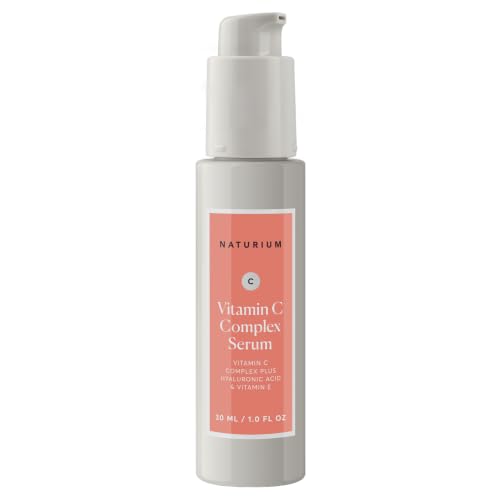
Non-Comedogenic Vitamin C Serum: The Ultimate Guide for Clear, Radiant Skin
Discover why a non-comedogenic vitamin C serum is the holy grail for acne-prone and sensitive skin. Learn how it brightens, protects, and clears without clogging pores.
Shop Top Non-Comedogenic SerumsWhat is a Non-Comedogenic Vitamin C Serum?
A non-comedogenic vitamin C serum is a skincare product formulated with Vitamin C (L-ascorbic acid or its derivatives) that is specifically designed not to block pores. "Non-comedogenic" means the ingredients are less likely to cause acne or blackheads. This makes it a safe and effective choice for those with acne-prone, oily, or combination skin who want to reap the brightening and antioxidant benefits of Vitamin C without the risk of breakouts.
Choosing the right face-brightening serum is crucial for achieving a clear complexion. Unlike traditional serums that may contain heavy oils or pore-clogging agents, non-comedogenic options use lightweight, skin-friendly carriers that absorb quickly and don't leave a greasy residue.
Top Benefits of a Non-Comedogenic Vitamin C Serum
- Brightens Skin Tone: Vitamin C inhibits melanin production, fading dark spots and hyperpigmentation for a more even complexion. It's an excellent choice for those looking to improve skin clarity and radiance.
- Boosts Collagen Production: It stimulates collagen synthesis, which helps reduce the appearance of fine lines and wrinkles, leading to firmer, plumper skin.
- Powerful Antioxidant Protection: It neutralizes free radicals caused by UV exposure and pollution, protecting the skin from premature aging and environmental damage.
- Safe for Acne-Prone Skin: The non-comedogenic formula ensures you get all the benefits without the worry of new breakouts. It's a game-changer for anyone who has struggled with pore-clogging skincare in the past.
- Improves Skin Texture: Regular use can help refine skin texture, making it smoother and more resilient.
If you're searching for an effective antioxidant serum that won't exacerbate your acne, a non-comedogenic option is the only way to go. For those with darker skin tones, this is especially beneficial for treating hyperpigmentation without irritation.
How to Choose the Best Non-Comedogenic Vitamin C Serum
With so many options on the market, selecting the right serum can be overwhelming. Here’s a simple guide to help you make the best choice for your skin:
- Check the Form of Vitamin C: L-ascorbic acid is the most potent form, but it can be irritating for some. Derivatives like Sodium Ascorbyl Phosphate or Ascorbyl Glucoside are gentler and equally effective for sensitive skin.
- Look for a Lightweight Base: Avoid serums with heavy oils like coconut oil, shea butter, or mineral oil. Instead, opt for water-based or gel-based serums that absorb quickly.
- Check the Concentration: For beginners, a concentration of 10-15% is ideal. Higher percentages (20%) can be effective but may cause irritation for some.
- Added Ingredients: Look for serums that include hyaluronic acid for extra hydration, or Ferulic Acid and Vitamin E to stabilize the formula and boost its effectiveness.
- Packaging Matters: Vitamin C is notoriously unstable and degrades in light and air. Choose a serum in a dark or opaque bottle with an airtight pump to maintain its potency.
Before adding any new product to your routine, it’s always recommended to perform a patch test to ensure your skin doesn't react negatively. For more information on building a skincare routine, check out our guide on Korean skin care for glass skin, which emphasizes gentle, non-irritating steps.
How to Use a Non-Comedogenic Vitamin C Serum
To get the most out of your serum, follow these simple steps:
- Cleanse: Start with a clean face to ensure the serum can penetrate effectively.
- Apply on Damp Skin: For better absorption, apply the serum while your skin is slightly damp from your toner.
- Use a Small Amount: A pea-sized amount is usually enough for the entire face and neck.
- Follow with Moisturizer: Always seal in your serum with a moisturizer to lock in the hydration and benefits.
- Don't Forget Sunscreen: Vitamin C makes your skin more sensitive to the sun, so always apply a broad-spectrum sunscreen for all skin types in the morning as the final step.
For the best results, use the serum in the morning to take advantage of its antioxidant properties throughout the day. You can also use it at night for a booster effect.
Frequently Asked Questions (FAQ)
Is all Vitamin C serum non-comedogenic?
No, not all. Some formulations use heavy carriers or oils that can clog pores. It's essential to check the ingredient list for terms like "non-comedogenic" or to verify the formula yourself.
Can I use a non-comedogenic vitamin C serum if I have dry skin?
Absolutely. While they're excellent for oily and acne-prone skin, many non-comedogenic serums also contain hydrating ingredients like Hyaluronic Acid, making them suitable for dry skin as well.
When will I see results?
You may notice a brighter complexion within a few weeks, but significant results for dark spots and fine lines can take 2-3 months of consistent use. Be patient and consistent with your routine.
Can I use a non-comedogenic vitamin C serum with other active ingredients?
Yes, but be cautious. It's generally safe to use with Hyaluronic Acid and Niacinamide. However, avoid using it simultaneously with strong AHAs/BHAs or Retinol to prevent irritation. It's often best to use Vitamin C in the morning and Retinol at night.
For more on treating specific skin concerns, you might find our guide on eye creams with vitamin K useful for the delicate under-eye area.