
Vitamin K Eye Creams: A Comprehensive Guide to Brighter, Healthier Under-Eyes
If dark circles, puffiness, or visible capillaries are your primary concerns, eye creams with Vitamin K offer a targeted, science-backed solution. Discover how this powerful vitamin works, what to look for in a formula, and which products deliver the best results for your specific needs.
Reduces Dark Circles
Vitamin K improves microcirculation, helping to fade the bluish-purple hue that often plagues the under-eye area.
Minimizes Bruising
Known for its role in blood clotting, Vitamin K helps reduce the appearance of broken capillaries and bruising around the eyes.
Strengthens Skin
It supports the skin's barrier function, making the delicate under-eye area more resilient against environmental stressors.
Brightens Tone
By addressing the root cause (oxidative stress and poor circulation), it restores a more even, luminous skin tone.
What Is Vitamin K and Why Does It Matter for Your Eyes?
Vitamin K is a fat-soluble vitamin that plays an essential role in the body's ability to clot blood. However, its topical application in skincare has gained significant attention, particularly for its ability to improve the appearance of dark circles and under-eye discoloration. When applied to the skin, Vitamin K aids in strengthening capillary walls, reducing leakage and the resulting dark pigmentation that occurs from broken blood vessels. This makes it particularly effective for those whose dark circles are caused by genetics, thin skin, or visible veins.
Unlike hydrating ingredients like hyaluronic acid or brightening agents like Vitamin C, Vitamin K specifically targets the vascular component of dark circles. For a comprehensive approach, many dermatologists recommend combining Vitamin K with other active ingredients. If you're looking to build a complete routine, consider starting with a gentle cleanser and following up with a hydrating serum to maximize absorption and benefits.
How to Choose the Best Vitamin K Eye Cream
Not all eye creams are created equal. When selecting a Vitamin K eye cream, look for a formula that combines it with complementary ingredients like Vitamin C, retinol, or peptides to enhance its brightening and anti-aging effects. The concentration of Vitamin K typically ranges from 0.5% to 2%, but a well-formulated product will often include a mix of stabilizing agents to ensure efficacy and skin tolerance.
For the best results, it's also crucial to pair your eye cream with a consistent skincare routine. Consider using a high-quality face serum that addresses overall skin health, and always protect the area with a broad-spectrum sunscreen to prevent further pigmentation. These supporting steps will not only protect your skin but also enhance the benefits of your Vitamin K eye cream, giving you more noticeable and lasting results.
How to Use Vitamin K Eye Cream for Maximum Results
- Cleanse: Start with a clean, dry face to ensure the active ingredients can penetrate effectively.
- Apply Gently: Use your ring finger to dab a small amount (about the size of a grain of rice) along the orbital bone, avoiding direct contact with the eyes.
- Pat, Don't Rub: Lightly pat the cream into the skin until absorbed. Rubbing can cause irritation and exacerbate puffiness.
- Consistency is Key: Apply once or twice daily for at least 8–12 weeks to see significant improvements, as the skin cycle takes time to turn over.
For an extra boost, you can combine your Vitamin K eye cream with a cold compress or a facial ice roller to improve circulation and reduce morning puffiness. This simple ritual can make a noticeable difference in how refreshed your eyes appear.
What to Expect: Realistic Results and Timelines
While Vitamin K is a highly effective ingredient, it's not a magic bullet. Most users begin to see a reduction in the appearance of dark circles and bruising after 4–6 weeks of consistent use. For more pronounced discoloration or stubborn veins, it may take 8–12 weeks to achieve the full effect. It's also important to manage expectations: while Vitamin K can dramatically improve the vascular causes of dark circles, it is less effective on pigmentation caused by melanin (sun damage) or structural issues like tear trough hollows.
For a holistic approach to under-eye concerns, consider integrating other products into your routine. Many experts recommend pairing Vitamin K with a hydrating under-eye patch or a nourishing eye mask once a week for an intensive treatment. This layering technique can provide a cumulative effect that addresses multiple underlying causes simultaneously, from hydration to circulation.
Who Should Use Vitamin K Eye Cream?
Vitamin K eye creams are ideal for individuals with thin skin, those who bruise easily, or anyone looking to reduce the appearance of periorbital hyperpigmentation caused by visible capillaries. It is especially beneficial for those with a genetic predisposition to dark circles, as it directly addresses the vascular component that many other ingredients miss. However, it's suitable for all skin types, including sensitive skin, as Vitamin K is generally non-irritating.
If you're also dealing with other signs of aging like fine lines or loss of firmness, you might want to explore a multi-tasking formula. For example, a Vitamin C serum can be layered with your Vitamin K cream to amplify brightening effects, while a rich moisturizer can help lock in hydration and ensure the delicate eye area remains supple and protected.
Final Verdict: Is Vitamin K Eye Cream Worth the Hype?
For the right concern, absolutely. If your dark circles are bluish or purplish in hue, and you're tired of concealer being your only solution, a Vitamin K eye cream is a targeted, effective treatment. It's not a one-size-fits-all solution, but for a significant portion of the population, it can reduce the appearance of dark circles enough that they no longer need to rely on heavy makeup to feel confident. By improving circulation and strengthening fragile capillaries, it restores a natural, healthy glow to the under-eye area.
To see the best results, consistency is paramount, and it helps to combine it with a well-rounded beauty regimen. Consider exploring other products that complement Vitamin K, such as a face brightening serum or a deep moisturizer to ensure the entire face has an even, radiant appearance. Remember, skincare is a marathon, not a sprint, and giving a product time to work is often the key to achieving your best skin.
Recommended Vitamin K Eye Creams
⚠️ AFFILIATE DISCLOSURE: This website contains affiliate links. As an Amazon Associate, we earn from qualifying purchases. If you make a purchase through these links, we may receive a small commission at no additional cost to you. Read our full affiliate policy.

Coera Vitamin K Cream 4 oz | Premium Formula for Bruises, Spider Veins, Dark Circles, Broken Capillaries, Eyes, and Face | Paraben and SLS Free
Check price on Amazon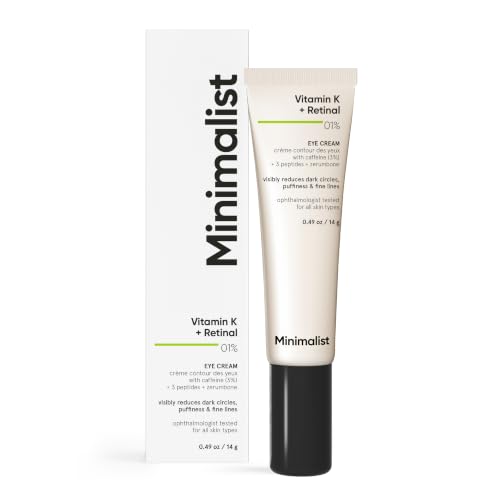
Minimalist Caffeine Eye Cream for Dark Circles, Puffiness, Bags Under Eyes, Wrinkles & Fine Lines | With Vitamin K Oxide, Retinal & Peptides | For Women & Men | 0.49 oz / 14 gm
Check price on Amazon
VitaMedica Arnica Bruise Cream + Vitamin K - for Thin & Delicate Skin | For Face & Under-Eye - 3% Arnica Montana, Fragrance-Free, Lightweight, 0.5 oz
Check price on Amazon
ISDIN Isdinceutics K-Ox Eyes - Rich Vitamin K Oxide Eye Cream for Dark Circles and Under-Eye Rejuvenation, 0.5 OZ
Check price on Amazon
Cureskin Vitamin K + Retinol 0.1% Under Eye Cream | 0.53 Oz | Reduces Dark Circles, Puffiness & Fine Lines | With Collagen Peptides | Night Cream for Women & Men
Check price on Amazon
Vitamin K Cream for Bruising & Under Eye Dark Circles, 2 oz | Soybean oil & fruit extracts, targets bruises & dark circles, softens wrinkles look, vit k creme
Check price on Amazon
Piping Rock Vitamin K Cream | 4 Ounce | for Bruising, Dark Circles, Spider Veins, Eyes, Skin and Face
Check price on Amazon