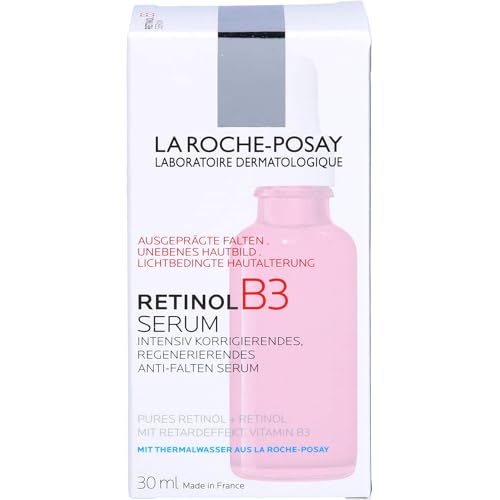
Retinol Serums: The Ultimate Guide to Youthful, Glowing Skin
Unlock the power of retinol with our comprehensive guide. Learn about its benefits, how to use it correctly, and discover the best retinol serums for every skin type and budget.
START YOUR SKINCARE JOURNEYWhat is a Retinol Serum?
A retinol serum is a concentrated skincare product that contains retinol, a derivative of vitamin A. It is widely regarded as the gold standard in anti-aging skincare due to its ability to accelerate cell turnover, stimulate collagen production, and improve skin texture. Whether you're a beginner or a seasoned user, understanding how retinol works is key to achieving radiant, healthier skin.
Why Retinol? Retinol is one of the most clinically proven ingredients for reducing fine lines, wrinkles, and hyperpigmentation. It works by encouraging the skin to shed old, damaged cells and generate new, healthy ones, revealing a fresher, more even-toned complexion underneath.
Key Benefits of Retinol Serums
Consistent use of a retinol serum can transform your skin. Here are the most significant benefits you can expect:
⭐ Reduces Fine Lines & Wrinkles
Retinol stimulates collagen production, plumping the skin and smoothing out expression lines and deeper wrinkles over time.
✨ Evens Skin Tone
By accelerating cell turnover, retinol fades dark spots, sun damage, and post-acne marks, promoting a more uniform complexion.
🔬 Unclogs Pores & Reduces Acne
Retinol prevents dead skin cells from trapping sebum inside pores, making it a powerful tool for treating and preventing breakouts.
🌟 Boosts Radiance
By revealing fresh skin cells, retinol gives your face a healthy, youthful glow that makeup alone can't achieve.
To maximize these benefits, remember that consistency and patience are essential. For more detailed skincare routines, explore our skincare guides.
How to Use Retinol Serum: A Step-by-Step Guide
Using retinol correctly is crucial to avoid irritation and achieve the best results. Follow this simple, safe routine:
Start Slowly
Begin by applying retinol once or twice a week for the first two weeks. Gradually increase to every other night, and then nightly, as your skin builds tolerance.
Apply at Night
Retinol degrades in sunlight, so it's best used as part of your nighttime routine. After cleansing and toning, apply a pea-sized amount to dry skin.
Use the "Sandwich" Method
For sensitive skin, apply a thin layer of moisturizer, then your retinol, followed by another layer of moisturizer. This buffers the retinol and reduces irritation.
Always Wear SPF
Retinol makes your skin more photosensitive. Apply a broad-spectrum sunscreen with SPF 30 or higher every morning. You can find effective options in our sunscreen guide.
Expert Tip: If you experience dryness or peeling, reduce the frequency of use and ensure you're using a rich, hydrating moisturizer. A high-quality face cream can make a significant difference in your retinol journey.
Choosing the Right Retinol Serum for Your Skin
Not all retinol serums are created equal. The right choice depends on your skin type, experience level, and goals. Here's a breakdown to help you decide:
- For Beginners: Look for a lower concentration (0.1% – 0.25% retinol) or a retinol ester. These are gentler and a great starting point.
- For Sensitive Skin: Choose a serum with soothing ingredients like hyaluronic acid, niacinamide, or ceramides. Consider a "retinol alternative" like bakuchiol.
- For Experienced Users: If your skin tolerates retinol well, you can graduate to higher concentrations (0.5% – 1%) or prescription-strength retinoids like tretinoin.
- For Oily/Acne-Prone Skin: Look for lightweight, non-comedogenic formulas that won't clog pores, often found in K-beauty skincare lines.
If you're looking to complement your retinol routine with other powerful ingredients, consider a vitamin C serum for daytime use or a hyaluronic acid product for extra hydration.
Potential Side Effects & How to Manage Them
It's common to experience some side effects when starting retinol, often referred to as the "retinol uglies." These are usually temporary and a sign that the product is working. Common side effects include:
- Dryness & Flaking: The skin may become dry and peel as it adjusts. Use a hydrating moisturizer and reduce frequency if needed.
- Redness & Irritation: Mild redness is normal. If it's severe, pause use and apply a soothing, fragrance-free moisturizer.
- Purging: An initial increase in breakouts can occur as the skin purges impurities. This typically subsides after a few weeks.
If you experience persistent or severe irritation, consult a dermatologist. For those with very sensitive skin, exploring natural makeup and skincare options might be a gentler alternative.
Frequently Asked Questions About Retinol Serums
- Can I use retinol every day? Yes, once your skin is fully acclimated. Start slowly and listen to your skin's response.
- Is retinol safe during pregnancy? It's recommended to avoid retinol during pregnancy. Consult your healthcare provider for safer alternatives.
- Can I use retinol with other active ingredients? Yes, but avoid combining with other strong actives like AHAs/BHAs on the same night to minimize irritation. Consider using them on alternating nights.
- How long until I see results? You may notice smoother, brighter skin in 4–6 weeks. For deeper wrinkles and pigmentation, visible results often take 3–6 months of consistent use.
For more personalized advice, you can always contact us or explore our other serums and dermatologist-recommended products.