Natural Makeup: The Ultimate Guide to Effortless Beauty
Master the art of the "no-makeup makeup" look with clean formulas, expert techniques, and skin-first strategies that enhance your natural features.
DISCOVER NATURAL PRODUCTSWhy Go Natural? Natural makeup isn't about wearing less makeup — it's about wearing the right makeup. It prioritizes skin health, uses gentler formulas, and creates a look that says "I woke up like this." Whether you're a beginner exploring natural beauty or a seasoned enthusiast looking to refine your routine, this guide will walk you through everything you need to know.
What Makes Makeup "Natural"?
The term "natural makeup" can refer to two things: the ingredients used in the formula and the finished look achieved on the skin. Truly natural makeup combines both — products formulated with skin-friendly, plant-derived, or mineral ingredients that create a soft, breathable, and skin-like finish. If you are also curious about the broader movement, our clean beauty guide explains how ingredient transparency and ethical sourcing are reshaping the industry.
Clean Ingredients
Look for formulas free from parabens, synthetic fragrances, and harsh sulfates. Prioritize mineral pigments, plant oils, and botanical extracts that nourish while they color. Brands that publish full ingredient lists and third-party certifications are your best starting point.
Skin-Like Finish
Natural makeup should look like skin — only better. It evens tone, adds a healthy flush, and defines features without masking them. The goal is enhancement, not coverage. Sheer, buildable textures are your allies here.
Breathable Textures
Heavy, occlusive formulas can clog pores and feel uncomfortable over time. Natural makeup favors lightweight creams, tinted serums, and loose powders that let your skin breathe while still delivering a polished look.
Ethical & Vegan Options
The natural makeup category has strong overlap with cruelty-free beauty and vegan skincare movements. Choosing products that align with your values doesn't mean sacrificing performance — today's best formulas deliver on both ethics and efficacy.
Step-by-Step Natural Makeup Routine
A natural look starts with great skin prep and builds in thin, translucent layers. Follow this sequence for a fresh, lit-from-within finish that lasts all day.
-
Prep with a Hydrating Base
Start with a clean, moisturized face. A hydrating primer or a few drops of a lightweight facial oil can smooth texture and create a dewy canvas. If you have dry skin, consider a tinted moisturizer for dry skin as your first layer.
-
Choose a Sheer, Buildable Base
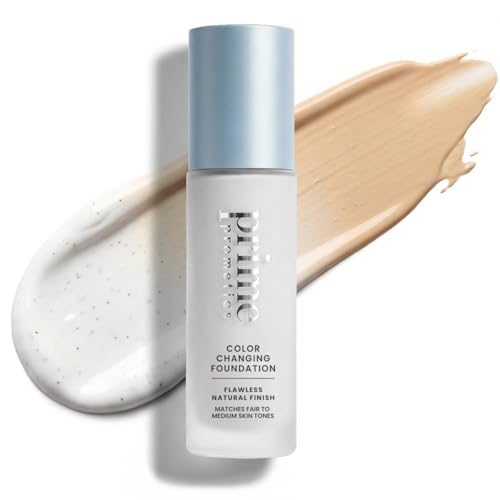
Skip heavy full-coverage foundations. Instead, reach for a tinted moisturizer, BB cream, or a sheer vegan foundation. Apply with a damp sponge or your fingers for a seamless, skin-like finish. For oily skin types, a tinted moisturizer for oily skin controls shine without looking flat.
-
Add a Natural Flush
Cream or liquid blush is your secret weapon for a believable flush. Tap a small amount onto the apples of your cheeks and blend upward. Our guide to liquid blush and cream blush explains how to choose shades that mimic your natural undertones.
-
Define Brows Softly
Use a brow pencil or tinted gel in a shade close to your hair color. Fill sparse areas with short, feathery strokes rather than solid blocks. The goal is definition, not drama. For more shaping guidance, see our eyebrow shape reference.
-
Keep Eyes Fresh and Minimal
A touch of cream shadow in a neutral tone, a coat of lengthening mascara, and optionally a thin line of brown eyeliner are enough. If you want to explore softer eye looks, our makeup looks collection includes natural-friendly options.
-
Tint Your Lips
A tinted lip balm or sheer lip stain completes the look without the heaviness of traditional lipstick. Try a tinted lip balm for hydration or a top-rated drugstore lip stain for longer wear.
-
Set Only Where Needed
Use a light dusting of translucent powder only on the T-zone or areas prone to shine. Leave the rest of your face dewy and fresh. A fluffy brush from a quality brush set makes this step effortless.
How to Choose the Right Natural Makeup Products
Not all "natural" labels are created equal. Use this comparison framework to evaluate products based on formula type, finish, and skin compatibility. For a deeper dive into ethical sourcing, explore our best organic brands guide and plant-based beauty resources.
| Product Category | What to Look For | Best For | Finish |
|---|---|---|---|
| Base | Tinted moisturizer, mineral foundation, BB cream | All skin types | Sheer to buildable |
| Blush | Cream or liquid formulas with plant oils | Normal to dry skin | Dewy, skin-like |
| Brows | Brow pencils with mineral pigments | All skin types | Natural, feathery |
| Eyes | Cream shadows, lengthening mascara | Sensitive eyes | Soft, blended |
| Lips | Tinted balms, lip stains with botanical oils | Dry or chapped lips | Sheer, hydrating |
Natural Makeup Ingredient Watch-List
When shopping for natural makeup, these are the ingredients and certifications worth prioritizing — and a few to approach with caution.
✅ Prioritize These
Mineral pigments (iron oxides, zinc oxide), jojoba oil, shea butter, aloe vera, rose water, green tea extract, vitamin E, and plant-derived squalane. These ingredients provide color, hydration, and antioxidant benefits without synthetic fillers.
⚠️ Approach With Caution
Synthetic fragrances (a common irritant), parabens, phthalates, and PEG compounds. "Fragrance-free" is not the same as "unscented" — always check the full ingredient list. Our non-toxic skincare guide breaks down these terms in detail.
🔍 Certifications to Trust
Look for COSMOS Organic, Ecocert, Leaping Bunny (cruelty-free), and United States Department of Agriculture Organic seals. These third-party certifications verify claims and hold brands accountable. For more, see our eco-friendly beauty breakdown.
💡 DIY Potential
Some of the best natural makeup starts in your kitchen. A DIY face mask before application preps the skin beautifully. A homemade lip balm can replace commercial tinted balms for a fraction of the cost.
Common Natural Makeup Mistakes to Avoid
Even experienced beauty lovers fall into these traps. Here's how to sidestep them for a flawless result.
Adjusting Your Natural Look for the Seasons
Your skin's needs change with the weather — and so should your makeup. Here's how to adapt.
Spring & Summer
Switch to lighter textures: gel-based tinted moisturizers, cream blushes in peachy tones, and lip tints. Don't forget SPF — a body sunscreen and a facial SPF are non-negotiable. Keep a face mask in your routine to manage excess oil.
Autumn & Winter
Hydration becomes the priority. Layer a face cream under your base and switch to richer balms and oils. A natural bath recipe can help maintain skin moisture during colder months. Warm-toned blushes and deeper lip tints feel seasonally appropriate.
Transitional Weather
When temperatures fluctuate, keep both a sheer and a slightly richer base on hand. A skin-tightening treatment can help maintain firmness, while a hydrating aromatherapy oil in your evening routine supports skin recovery.
Frequently Asked Questions About Natural Makeup
Final Thoughts: Natural Makeup Is a Mindset
Natural makeup isn't about following a strict set of rules — it's about choosing products and techniques that honor your skin, your values, and your unique features. Whether you're drawn to the clean ingredient movement, the effortless aesthetic, or both, the result is the same: a look that feels authentic and a routine that supports long-term skin health.
Start with one or two product swaps, refine your technique over time, and don't be afraid to experiment. The best natural makeup routine is the one that makes you feel confident, comfortable, and completely yourself. For more guidance on building a holistic beauty approach, explore our wellness and self-care routine resources.