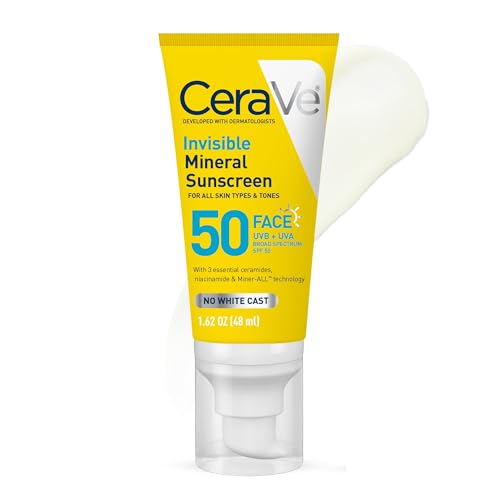
Zinc Oxide for Face: The Ultimate Guide to Benefits & Best Uses
Zinc oxide is a versatile mineral ingredient that offers broad-spectrum sun protection, soothes irritation, calms redness, and helps manage acne. Whether you're looking for a gentle sunscreen, a healing balm, or a non-comedogenic treatment, this guide covers everything you need to know.
What Is Zinc Oxide & Why Is It Good for Your Face?
Zinc oxide is a naturally occurring mineral that has been used for centuries in skincare. Unlike chemical UV filters, it sits on top of the skin and reflects harmful UVA and UVB rays, making it a physical sunscreen that is gentle enough for even the most sensitive skin. But its benefits go far beyond sun protection.
Thanks to its anti-inflammatory and antimicrobial properties, zinc oxide is a powerhouse for soothing irritated skin, reducing redness, and even helping to prevent breakouts. It's a key ingredient in many non-comedogenic formulations, making it safe for acne-prone skin. Let's dive into the specific ways this mineral can transform your skincare routine.
Top Benefits of Zinc Oxide for Your Face
☀️ Broad-Spectrum Sun Protection
Provides physical barrier against UVA and UVB rays. Safe for daily use, doesn't absorb into the skin, and offers immediate protection upon application.
🌿 Soothes Irritation & Redness
Calms conditions like rosacea, eczema, and general sensitivity. Helps reduce inflammation and promotes healing of minor skin irritations.
💧 Non-Comedogenic & Gentle
Won't clog pores, making it ideal for acne-prone and oily skin. It's also hypoallergenic and suitable for all skin types, including the most reactive.
🛡️ Antimicrobial & Healing
Helps prevent bacterial growth on the skin's surface. Often used in diaper rash creams and healing ointments to accelerate the repair of damaged skin.
How to Use Zinc Oxide in Your Skincare Routine
- 1. As a Daily Sunscreen: Apply a generous amount of a zinc oxide-based sunscreen (SPF 30 or higher) as the final step of your morning skincare routine. Reapply every two hours if exposed to direct sunlight.
- 2. As a Soothing Balm: For irritated or red patches, use a zinc oxide cream (often formulated with calming ingredients like aloe vera or oat extract) as a spot treatment. Apply a thin layer to affected areas.
- 3. As a Nighttime Treatment: Some non-comedogenic zinc oxide formulations can be used overnight to help calm active breakouts and reduce inflammation.
- 4. For Sensitive Skin: Because it's physical sunscreen, it's less likely to cause stinging or burning, making it perfect for those with sensitive or compromised skin barriers.
Choosing the Right Zinc Oxide Product for Your Face
Not all zinc oxide products are created equal. For the face, look for micro-ionized or non-nano zinc oxide, which provides effective protection without leaving a heavy white cast. Modern formulations are often tinted or blended with other skincare ingredients to enhance texture and hydration. If you have dry skin, opt for a zinc oxide cream with moisturizing agents like hyaluronic acid or shea butter. For acne-prone skin, choose a lightweight, oil-free lotion.
Always patch-test a new product on a small area of your jawline to ensure your skin tolerates it well. If you're looking for a multi-tasking product, many zinc oxide creams now combine sun protection with brightening serums or antioxidants for added skincare benefits.
Frequently Asked Questions About Zinc Oxide for Face
Is zinc oxide safe for daily use on the face?
Yes, zinc oxide is considered safe and highly beneficial for daily use. It's a gentle physical sunscreen that doesn't penetrate the skin, making it ideal for everyday application.
Does zinc oxide clog pores?
No, zinc oxide is non-comedogenic, meaning it does not clog pores. In fact, it's often recommended for acne-prone skin due to its soothing and antimicrobial properties.
Can zinc oxide help with acne and breakouts?
Yes, it can. Its anti-inflammatory properties help calm active breakouts, and its antimicrobial nature can help prevent new blemishes from forming. It's a great ingredient for those with inflammatory acne.
What's the difference between nano and non-nano zinc oxide?
Non-nano zinc oxide particles are larger and do not penetrate the skin, sitting on the surface to reflect UV rays. This is the preferred type for facial use as it's considered safer and less likely to cause irritation.
Can I use zinc oxide under makeup?
Absolutely. Many zinc oxide sunscreens and creams are designed to be worn under makeup. Look for formulas that are lightweight and absorb quickly to create a smooth base.
Ready to incorporate zinc oxide into your daily routine? Whether you're protecting your skin from the sun, soothing irritation, or managing acne, the right zinc oxide product can make a world of difference. Explore our curated selection of top-rated zinc oxide face products below—each one chosen for its quality, effectiveness, and skin-friendly formulation.
👉 Pro tip: For the best results, pair your zinc oxide sunscreen with a gentle exfoliator and a hydrating serum to keep your skin radiant and healthy.