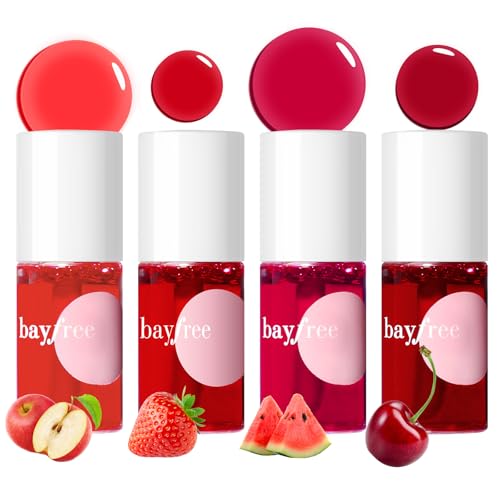
Tint for Lips and Cheeks: The Complete Guide to a Natural, Healthy Flush
Discover how a single multi-use tint can transform your makeup routine. Learn how to choose the right formula, apply it like a pro, and achieve a seamless, long-lasting flush of color on both lips and cheeks.
EXPLORE THE GUIDEWhy a lip and cheek tint belongs in your routine: A quality tint for lips and cheeks is one of the most versatile products you can own. It simplifies your makeup bag, delivers a natural finish, and lets you coordinate your lip and cheek color effortlessly. Whether you prefer a sheer wash or buildable intensity, the right tint adapts to your look in seconds.
What Is a Tint for Lips and Cheeks?
A tint for lips and cheeks is a multi-purpose cosmetic designed to deposit a translucent or buildable wash of color onto both the lips and the cheeks. Unlike traditional powder blushes or opaque lipsticks, these tints are formulated to melt into the skin and lips, creating a natural, healthy-looking flush that mimics the color you get after a brisk walk or a good laugh.
Most lip and cheek tints come in liquid, cream, gel, or water-based formats. They are typically applied with a doe-foot applicator, a dropper, or your fingertips. The best formulas blend seamlessly, dry down to a transfer-resistant finish, and layer well without patchiness. Many modern tints also include skincare ingredients like hyaluronic acid, vitamin E, or botanical extracts, making them a hybrid between makeup and skincare.
One of the biggest advantages of a lip and cheek tint is convenience. Instead of carrying a separate blush and lipstick, you can use one product for both. This makes it ideal for travel, quick touch-ups, and minimalist makeup routines. If you prefer a soft, natural makeup look, a tint is often all you need to look polished and put-together. For those who like to experiment, a tint can also serve as a base under powder blush or as a subtle lip color under gloss. If you enjoy natural-looking makeup, you may also want to explore natural makeup techniques that complement tint-based routines.
Why Choose a Lip and Cheek Tint?
Natural, Skin-Like Finish
Tints blend into the skin rather than sitting on top of it. The result is a flush that looks like it comes from within, perfect for no-makeup makeup days.
Multi-Use Convenience
One product for lips and cheeks means fewer items in your bag, faster application, and effortless color coordination.
Buildable Coverage
Start with a sheer wash and layer for more intensity. Tints give you full control over how bold or subtle your look is.
Long-Lasting Wear
Many water-based and gel tints set quickly and resist fading, especially when set with a light layer of powder.
Skincare Benefits
Modern tints often include hydrating and soothing ingredients, making them comfortable for all-day wear.
Travel-Friendly
Compact, lightweight, and spill-resistant packaging makes tints ideal for on-the-go touch-ups.
Types of Lip and Cheek Tints: Which Formula Is Right for You?
Not all tints are created equal. The formula you choose affects how the product applies, how long it lasts, and how it feels on your skin. Here is a breakdown of the most common types:
| Formula Type | Best For | Finish | Wear Time |
|---|---|---|---|
| Water-Based Tint | Oily and combination skin; hot, humid climates | Sheer, natural, slightly dewy | 4–8 hours |
| Gel Tint | All skin types; beginners | Fresh, slightly glossy | 4–6 hours |
| Cream Tint | Dry and mature skin; those who want a dewy glow | Luminous, creamy | 3–6 hours |
| Lip Stain (Liquid) | Long-wear lip color; events and all-day wear | Matte to satin | 6–10 hours on lips |
| Cream Blush Stick | Quick application; on-the-go touch-ups | Buildable, skin-like | 4–8 hours |
If you have oily skin, a water-based or gel tint is usually your best bet because it sets faster and resists sliding. If your skin is dry, a cream-based tint will feel more comfortable and give you a healthy glow. For those who want maximum longevity on the lips, a dedicated liquid lip stain is worth considering. You can also explore top-rated drugstore lip stain options for affordable, high-performance formulas.
If you prefer a more traditional blush format, a cream blush can deliver similar benefits and is often easier to blend for beginners. Many cream blushes are also multi-use and can be tapped onto the lips for a coordinated look. For a powder alternative, a liquid blush offers a similar natural finish with a slightly different texture.
How to Choose the Right Shade for Your Skin Tone
The right shade of lip and cheek tint should enhance your natural coloring, not fight it. A good rule of thumb is to choose a tint that looks like a slightly intensified version of your natural flush. Here is a guide to help you pick:
Fair Skin Tones
- Soft pinks and baby pinks
- Peach and coral
- Light berry and rose
- Avoid very deep or cool-toned purples, which can look stark
Medium Skin Tones
- Warm corals and apricot
- Rose and dusty pink
- Terracotta and warm brick
- Berry shades with a hint of red
Deep Skin Tones
- Rich berries and plum
- Brick red and deep rose
- Warm copper and bronze
- Vibrant fuchsia and magenta
Undertone matters too. If you have cool undertones (veins appear blue or purple), opt for shades with a blue or pink base. If you have warm undertones (veins appear green), choose shades with a peach, coral, or golden base. Neutral undertones can wear almost anything. Always swatch the tint on your cheek in natural daylight and let it sit for a few minutes—some tints develop and deepen in color as they dry.
Pro Tip: If you are unsure about a shade, look at the color of your fingertips when you press them gently. The natural flush that appears is often the most flattering shade family for your skin tone.
How to Apply a Lip and Cheek Tint Like a Pro
Application is everything when it comes to tints. Because these formulas set quickly, you need to work efficiently and blend as you go. Follow these steps for a flawless, natural result:
-
Start with clean, moisturized skin
Apply your skincare routine and let it absorb fully before adding color. A smooth, hydrated base helps the tint blend evenly and prevents patchiness.
-
Dot a small amount onto the cheeks
Use the applicator to place one or two small dots on the apples of your cheeks. Remember: less is more. You can always add more, but it is harder to remove excess tint once it sets.
-
Blend immediately with your fingers or a damp sponge
Use tapping and upward-sweeping motions to diffuse the color into your skin. Your fingertips work well for creams and gels, while a damp makeup sponge gives a more sheer, airbrushed finish. For a more precise application, a blush brush can help you control the placement and intensity.
-
Build in thin layers
If you want more intensity, wait a few seconds for the first layer to set, then add another thin layer. Building gradually gives you more control and a more natural result than applying a large amount at once.
-
Apply to the lips
Use the applicator to apply a thin layer to your lips. For a soft, diffused look, blend the edges with your fingertip. For a more defined lip, use a lip liner before applying the tint, or layer a matching lip gloss on top for extra shine.
-
Set if needed
If you have oily skin or need your makeup to last through a long day, lightly dust a translucent setting powder over your cheeks. On the lips, you can apply a thin layer of lip balm or a clear gloss to keep the color comfortable and prevent dryness.
If you prefer a more traditional application method, a makeup brush or a beauty blender can help you achieve a seamless, streak-free finish. For precise placement, especially on the lips, a small eyeshadow brush or a dedicated lip brush can be useful.
Common Mistakes to Avoid When Using Lip and Cheek Tints
Even experienced makeup lovers can run into trouble with tints. Here are the most common mistakes and how to avoid them:
Applying Too Much Product
Tints are highly pigmented. Starting with a tiny amount and building up is always better than applying too much and struggling to blend it out.
Blending Too Slowly
Most tints set within seconds. Work one cheek at a time and blend immediately before the product dries down.
Skipping Moisturizer
Dry skin can cause tints to cling to patches and look uneven. Always start with a hydrated base.
Using the Wrong Tool
Fingers work well for cream and gel tints, but a damp sponge or brush may give a more even finish. Experiment to find what works best for your formula.
Not Setting the Tint
If you have oily skin, skipping powder can cause the tint to slide or fade quickly. A light dusting of translucent powder helps lock the color in place.
Ignoring Expiration Dates
Like all cosmetics, tints have a shelf life. Using expired products can cause irritation and uneven application.
Lip and Cheek Tint vs. Traditional Blush and Lipstick
If you are used to powder blush and bullet lipstick, you may be wondering how tints compare. Here is a quick comparison to help you decide if a tint deserves a spot in your routine:
| Feature | Lip & Cheek Tint | Powder Blush | Traditional Lipstick |
|---|---|---|---|
| Finish | Natural, skin-like, sheer to buildable | Matte to satin, more opaque | Creamy, satin to matte |
| Application | Fingertips, sponge, or brush; blends quickly | Brush; requires blending | Direct application; may need liner |
| Wear Time | 4–8 hours (varies by formula) | 6–10 hours | 4–8 hours (varies by formula) |
| Best For | Natural looks, travel, minimal routines | Oily skin, full-coverage looks | Defined lips, bold color |
| Skin Type | All skin types (choose formula accordingly) | Oily and combination skin | All skin types |
Many makeup enthusiasts use both: a tint as a base for a natural flush, and a powder blush on top for extra dimension and longevity. Similarly, a tint can be worn alone on the lips for an everyday look, or layered under a top-rated long-lasting lipstick for a more polished finish. If you prefer a glossy finish, you can also explore lip gloss options to layer over your tint.
The Skincare Benefits of Lip and Cheek Tints
Modern lip and cheek tints are not just about color—many are formulated with skincare ingredients that benefit your skin and lips. Here are some common beneficial ingredients to look for:
Hyaluronic Acid
Attracts and retains moisture, keeping your lips and cheeks hydrated and plump throughout the day.
Vitamin E
A powerful antioxidant that helps protect the skin from environmental damage and supports a healthy skin barrier.
Aloe Vera
Soothes and calms irritated skin, making it a great choice for sensitive skin types.
Jojoba Oil
Mimics the skin's natural oils and provides lightweight, non-greasy hydration.
Green Tea Extract
Rich in antioxidants and helps reduce redness and inflammation. You can learn more in our guide to green tea skincare.
Rose Water
A gentle, soothing ingredient that tones and refreshes the skin. Explore the benefits of rose water for more information.
When choosing a tint with skincare benefits, always check the ingredient list for potential allergens or irritants. If you have sensitive skin, look for fragrance-free formulas and perform a patch test before applying to your face. If you prefer natural or organic products, you may want to explore natural beauty and clean beauty options that prioritize skin-friendly ingredients.
Choosing a Tint for Your Skin Type
Your skin type should influence the formula you choose. Here are some recommendations:
Oily Skin
- Choose water-based or gel tints
- Avoid heavy, oil-based creams
- Set with a translucent powder
- Look for mattifying or oil-control ingredients
Dry Skin
- Choose cream or balm-based tints
- Look for hydrating ingredients like hyaluronic acid
- Apply over a rich moisturizer
- Avoid matte, long-wear formulas that can dry out the skin
Sensitive Skin
- Choose fragrance-free, hypoallergenic formulas
- Avoid tints with alcohol or essential oils
- Patch test before use
- Look for dermatologist-tested products
Mature Skin
- Choose hydrating cream or liquid tints
- Avoid powder or matte formulas that can settle into fine lines
- Blend with a damp sponge for a smooth finish
- Consider tints with vitamin C or peptides for added benefits
If you have dry skin, you may also benefit from a tinted moisturizer for dry skin that provides both hydration and a hint of color. For oily skin, a tinted moisturizer for oily skin can help control shine while evening out your complexion.
How to Make Your Lip and Cheek Tint Last Longer
A common frustration with tints is fading. Here are some practical tips to extend wear time:
-
Layer strategically
Start with a thin layer of tint, let it set, then add a second thin layer. Two thin layers last longer than one thick layer.
-
Set with powder
On the cheeks, lightly dust translucent powder over the tint to lock it in place. On the lips, avoid powder—it can feel drying.
-
Use a primer
A face primer creates a smooth base that helps makeup, including tints, adhere better and last longer.
-
Avoid touching your face
Touching, rubbing, and resting your face on your hands can cause the tint to transfer or fade. Try to keep your hands away from your cheeks.
-
Choose a long-wear formula
Look for tints labeled as long-wear, transfer-resistant, or waterproof. These formulas are designed to stay put for hours.
Quick Fix: If your tint starts to fade during the day, simply tap a small amount back onto your cheeks and blend with your fingertip. The color will refresh instantly without disturbing the rest of your makeup.
Creating Different Makeup Looks with a Lip and Cheek Tint
A tint is incredibly versatile. Here are some ways to use it to create different looks:
No-Makeup Makeup
Apply a sheer layer of tint to your cheeks and lips over moisturizer and sunscreen. Add a touch of concealer where needed and you are done. This look is perfect for weekends and casual days.
Office-Ready Look
Build the tint to a medium intensity on your cheeks and lips. Pair with a neutral eyeshadow and a coat of mascara for a polished, professional appearance.
Evening Glam
Use the tint as a base on your cheeks, then layer a powder blush on top for extra dimension. On the lips, apply the tint as a base, then top with a bold lipstick or a layer of lip gloss for shine.
Monochrome Look
Use the same tint on your eyes, cheeks, and lips for a cohesive, monochromatic look. Blend a tiny amount onto your eyelids with your finger and you are ready to go. This is a popular technique in makeup looks that emphasize harmony and simplicity.
If you enjoy experimenting with different makeup styles, a tint can also be used as a base for more complex looks. For example, you can pair a berry tint with a smokey eyes look for an evening out, or use a peach tint with a soft, natural eye look for daytime. The possibilities are endless.
Frequently Asked Questions About Lip and Cheek Tints
What is a tint for lips and cheeks?
A tint for lips and cheeks is a multi-use makeup product formulated to add a natural wash of color to both the lips and the cheeks. These products typically come in liquid, cream, or gel formats and are designed to blend seamlessly into the skin for a healthy, flushed look.
How do I choose the right shade for my skin tone?
Fair skin tones look best with soft pinks, peaches, and light berry shades. Medium skin tones suit warm corals, rose, and terracotta. Deep skin tones shine with rich berries, brick reds, and deep plums. Always test on your cheek in natural light to see how the color develops on your skin.
Can I use a lip and cheek tint on oily skin?
Yes, but choose a water-based or gel tint rather than a heavy cream or oil-based formula. Water-based tints tend to set faster and last longer on oily skin. Apply a thin layer and build coverage gradually, and always set with a translucent powder if you need extra longevity.
How do I apply a lip and cheek tint for a natural look?
Start with clean, moisturized skin. Dot a small amount of tint onto the apples of your cheeks and blend immediately with your fingertips or a damp sponge using upward, tapping motions. For lips, apply a thin layer and blend with your finger for a soft, diffused effect. Build in thin layers rather than applying a large amount at once.
How long does a lip and cheek tint last?
Water-based and gel tints typically last 4–8 hours on the cheeks and up to 6 hours on the lips, depending on skin type and formula. Cream-based tints may last 3–6 hours. Setting with a translucent powder or layering a matching powder blush on top can extend wear time significantly.
Are lip and cheek tints suitable for sensitive skin?
Many tints are formulated for sensitive skin, but it's important to check the ingredient list for potential irritants like fragrances, essential oils, and certain preservatives. Look for fragrance-free, dermatologist-tested, and hypoallergenic options. Always perform a patch test on your inner arm before applying to your face.
Can I use a lip and cheek tint as an eyeshadow?
Yes, many cream and gel tints can be used as a sheer eyeshadow base or a wash of color on the eyelids. However, be cautious with liquid tints, as they may set too quickly for easy blending on the eyes. Always use a small amount and blend quickly with your finger or a brush.
How do I remove a long-wear lip and cheek tint?
Most tints can be removed with a gentle makeup remover or cleansing oil. For long-wear or waterproof formulas, you may need a bi-phase makeup remover or a cleansing balm to break down the product effectively. Always follow up with a gentle face wash to ensure all residue is removed.
Ready to Find Your Perfect Tint?
Explore our curated selection of recommended tints for lips and cheeks. Whether you prefer a sheer water-based tint, a creamy blush, or a long-wear lip stain, we have options that suit your style and skin type.
VIEW RECOMMENDED TINTSFor more beauty tips and guides, explore our articles on tinted lip balm, lip lab, and beauty tools. You can also learn about permanent makeup options and lip tattooing for longer-lasting results.