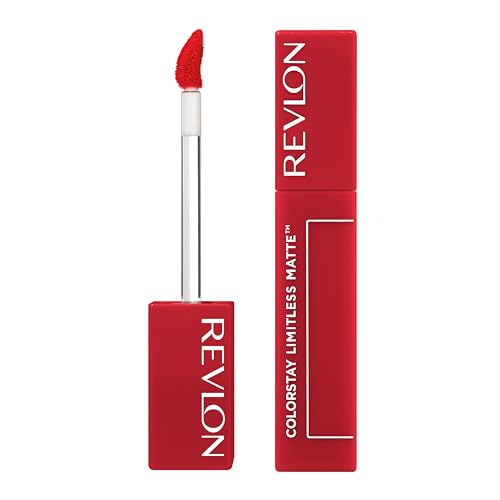
Top Rated Long Lasting Lipstick: Expert Guide to All-Day Color
Find transfer-proof, smudge-resistant lipsticks that stay put through coffee, meetings, and long days — with expert tips on formulas, finishes, and application.
SHOP TOP RATED LIPSTICKSWhy this guide matters: If you have ever reapplied lipstick five times before lunch, you already know that "long lasting" is not just a marketing claim — it is a formula science. This guide breaks down exactly what makes a lipstick last, which finishes deliver the best wear, and how to apply it so the color stays vibrant from morning to night. You will also find practical buying criteria so you can choose the right long-wear lipstick for your lifestyle, lip condition, and makeup routine.
Understanding Long-Lasting Lipstick Formulas
Long-wear lipstick is not a single product category — it is a group of formulas engineered around a shared goal: pigment that adheres to the lips without transferring onto cups, masks, or clothing. The most effective long-lasting lipsticks rely on a combination of film-forming polymers, silicone resins, and highly concentrated pigments. These ingredients create a flexible, breathable layer that locks color in place while allowing the lips to move naturally.
Traditional cream lipsticks contain a high proportion of oils and waxes, which feel comfortable but break down quickly with eating and drinking. Long-wear formulas reduce oil content and increase pigment load, which is why they can feel drier but deliver significantly longer wear. Many modern drugstore lip stains and premium liquid lipsticks have refined this balance, adding hydrating ingredients so the finish stays comfortable.
There are three main long-wear formula families to know:
- Liquid matte lipstick: A fluid pigment that dries down to a flat, transfer-resistant finish. Often the longest-wearing option, but can emphasize dryness.
- Traditional bullet lipstick (matte or satin): A solid stick with a higher wax content. Easier to apply precisely, with moderate to long wear depending on the finish.
- Lip stain or tint: A water- or gel-based pigment that soaks into the lips for a soft, natural look. Excellent for a "no-makeup makeup" effect, though usually less opaque than a full lipstick.
If you are still exploring different formats, our guide to tint for lips and cheeks explains how multi-use stains compare to dedicated long-wear lipsticks, which is helpful if you prefer a lighter, more natural finish on busy days.
Matte vs. Satin vs. Liquid: Which Finish Lasts Longest?
Finish is one of the strongest predictors of wear time. In general, the less oil and shine a formula has, the longer it stays on the lips. That is why matte and liquid matte lipsticks dominate the long-wearing category. However, comfort and application experience vary widely between finishes, so the "best" choice depends on your priorities.
Matte Finish
Matte lipstick delivers maximum pigment with zero shine. It is the most transfer-resistant option and the go-to choice for events, long workdays, and situations where you cannot touch up. The trade-off is that matte formulas can cling to dry patches, so exfoliation and a light lip balm base are essential. Premium and luxury matte formulas now include emollients that reduce that tight feeling without compromising longevity.
Satin Finish
Satin lipstick sits between matte and glossy, offering a soft sheen and a creamier texture. It is more comfortable than a true matte and easier to reapply, but it typically lasts a few hours less. Satin is a strong choice for daily wear if you prefer a polished but not flat look, and it pairs well with a tinted lip balm for a more relaxed, hydrating finish.
Liquid Matte and Transfer-Proof Formulas
Liquid lipsticks are the modern benchmark for long wear. They apply like a gloss, set within a minute or two, and then resist smudging and transfer. Many top rated long lasting lipstick products on the market today are liquid mattes because they combine intense color payoff with impressive durability. The key is to apply a thin, even layer and let it fully set before pressing your lips together.
How to Choose a Top Rated Long Lasting Lipstick
Choosing the right long-wear lipstick is about matching the formula to your habits. Someone who eats frequently, works long shifts, or wears a mask will prioritize transfer resistance above all else. Someone with dry or sensitive lips may need to trade a few hours of wear for comfort and hydration. Below are the criteria that matter most when comparing options.
1. Wear Time and Transfer Resistance
Look for formulas described as transfer-proof, smudge-resistant, or 8-hour wear. These claims are usually backed by film-forming technology. If transfer resistance is your top priority, prioritize liquid mattes and matte bullets over satin or gloss finishes.
2. Comfort and Hydration
Long-wear does not have to mean uncomfortable. Mid-tier and premium formulas increasingly include ingredients like hyaluronic acid, vitamin E, and jojoba oil. If your lips are prone to flaking, consider pairing your long-wear lipstick with a homemade lip balm at night to maintain lip health.
3. Pigment and Opacity
Highly pigmented formulas require less product to achieve full coverage, which means a thinner layer that lasts longer. Sheer formulas may feel lighter but often need multiple layers, which can reduce wear time. For bold statement colors, choose a high-opacity matte or liquid matte.
4. Shade Range and Undertone Match
A long-lasting lipstick is only useful if the shade flatters you. Cool undertones generally suit blue-based reds, berries, and mauves; warm undertones look best in brick reds, corals, and terracottas; neutral undertones can wear most shades. Testing on the lips — not the hand — gives the most accurate result.
5. Ingredient Sensitivity
If you have sensitive lips, check for fragrance-free formulas and avoid known irritants such as certain dyes or heavy fragrances. Our guides on vegan and cruelty-free makeup and clean beauty can help you narrow down brands that align with your values and skin needs.
Application Techniques for All-Day Wear
Even the best long-lasting lipstick can underperform if it is applied incorrectly. The goal is to create a smooth base, build thin layers, and allow each layer to set properly. Follow these steps for maximum wear:
- Exfoliate gently: Use a soft lip scrub or a damp washcloth to remove flaky skin. Smooth lips hold pigment more evenly.
- Apply a thin balm layer: A very light layer of balm prevents dryness, but avoid heavy oils that break down long-wear formulas. Blot off excess before continuing.
- Line and fill: Use a lip liner that matches your lipstick shade. Fill the entire lip, not just the border — this creates a grip layer that helps the lipstick adhere.
- Apply a thin first layer: Use a lip brush or the applicator to apply a thin, even coat. Thin layers last longer than thick ones.
- Blot and set: Press a tissue against your lips, then dust a tiny amount of translucent powder through the tissue. This locks the color without adding visible texture.
- Apply a second thin layer: Build coverage only where needed. Let it set fully before pressing your lips together.
For a more natural everyday look, you can apply a long-wear formula as a sheer layer and blend it with your finger. This technique works especially well with stains and liquid mattes when you want a soft, blurred effect rather than full opacity.
Keeping Lips Comfortable Under Long-Wear Formulas
Long-wear lipstick is a trade-off between durability and comfort. The good news is that you can have both with the right routine. The most common mistake is layering heavy balm underneath a long-wear formula, which prevents the pigment from setting and shortens wear time dramatically. Instead, focus on overnight hydration and gentle exfoliation.
Comfort Checklist
- Apply a hydrating lip mask before bed
- Exfoliate 2–3 times per week
- Use a thin balm layer, then blot before lipstick
- Choose formulas with vitamin E or hyaluronic acid
- Remove lipstick gently with an oil-based cleanser
Things That Shorten Wear
- Heavy balm or gloss underneath
- Thick, uneven lipstick layers
- Oily foods and hot drinks without a straw
- Pressing lips together before the formula sets
- Rubbing lips with a dry tissue to remove color
If your lips feel tight after several hours, apply a small amount of balm on top rather than removing the lipstick entirely. This refreshes comfort without completely breaking down the color layer.
Quick Comparison Table by Tier and Wear
The table below summarizes how different long-lasting lipstick tiers typically perform. This is a relative comparison — not a price list — so it stays useful regardless of market changes.
| Formula Type | Typical Wear | Comfort | Best For | Quality Tier |
|---|---|---|---|---|
| Liquid matte (entry-level) | 6–8 hours | Moderate; may feel dry | Daily wear, bold color | Entry-level |
| Liquid matte (mid-tier) | 8–10 hours | Good; includes emollients | Long workdays, events | Mid-tier |
| Liquid matte (premium/luxury) | 10–12 hours | High; lightweight and flexible | All-day wear, sensitive lips | Premium |
| Matte bullet | 5–7 hours | Moderate to good | Precise application, classic look | Mid-tier |
| Satin bullet | 3–5 hours | High | Comfort-first daily wear | Entry-level to Mid-tier |
| Lip stain / tint | 4–6 hours (soft fade) | Very high | Natural looks, light makeup days | Entry-level to Luxury |
Keep in mind that wear time also depends on your eating and drinking habits, lip condition, and climate. A mid-tier formula applied well often outperforms a premium formula applied poorly, so technique matters as much as the product itself.
If you enjoy comparing products across categories, our guide on top rated drugstore lip stain offers a useful complement to this article, especially if you want a lighter alternative to full-coverage long-wear lipstick.
Frequently Asked Questions
What makes a lipstick long lasting?
Long-lasting lipsticks typically use film-forming polymers, silicone resins, and lightweight oils that create a flexible, transfer-resistant layer on the lips. Matte and liquid formulas tend to last longer than creamy or glossy finishes because they contain less oil and more pigment-binding ingredients.
How can I make my lipstick last all day?
Start with a smooth, exfoliated lip base, apply a thin layer of lip liner to create a grip, use a blotting technique with tissue and powder, and choose a transfer-proof formula. Avoid excessive lip balm underneath, as oils can break down long-wearing pigments.
Are long-lasting lipsticks drying?
Some matte and liquid long-wear lipsticks can feel drying because of their high pigment and low oil content. Modern premium and mid-tier formulas often include hydrating ingredients like hyaluronic acid, vitamin E, and jojoba oil to balance longevity with comfort.
What is the difference between matte and satin long-lasting lipstick?
Matte long-lasting lipstick offers maximum pigment and zero shine, making it ideal for bold, transfer-proof looks. Satin long-lasting lipstick provides a soft sheen with slightly more slip and comfort, though it may require more frequent touch-ups than a true matte.
How do I choose the right long-lasting lipstick for my skin tone?
Cool undertones suit blue-based reds, berries, and mauves, while warm undertones flatter brick reds, corals, and terracottas. Neutral undertones can wear most shades. Always test on your lips rather than your hand, and consider the finish that best complements your daily makeup style.
Ready to Find Your Perfect Long-Wear Lipstick?
Browse our curated selection of top rated long lasting lipstick products, selected for transfer resistance, comfort, and pigment quality. Each pick is available through our trusted retail partners.
View Recommended LipsticksFor related reading, explore our guides on tinted lip balm, lip lab services, and natural makeup to build a lip routine that matches your preferences. You can also learn more about vegan and cruelty-free makeup if ethical sourcing is a priority.