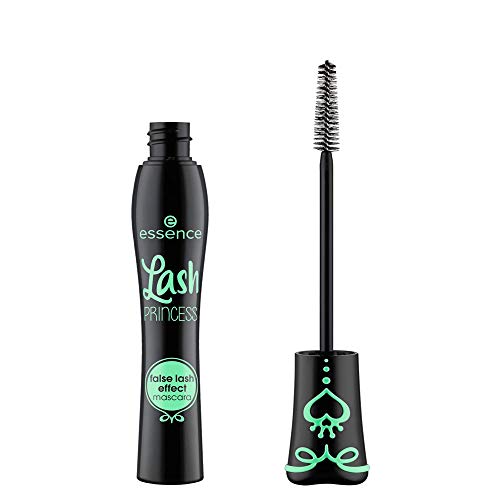
Vegan and Cruelty-Free Makeup: The Complete Guide
Build a conscious beauty routine with ethical formulas that deliver real performance. Learn how to identify truly vegan and cruelty-free makeup, compare product tiers, and choose the right products for your skin.
Explore Ethical MakeupWhy this guide matters: The demand for ethical beauty has never been stronger, yet the labels can be confusing. This guide cuts through the marketing jargon so you can shop with confidence and build a makeup collection that aligns with your values — without sacrificing results.
Understanding Vegan vs. Cruelty-Free Makeup
The terms "vegan" and "cruelty-free" are often used interchangeably, but they describe two distinct commitments. Vegan makeup contains no animal-derived ingredients — no beeswax, carmine, lanolin, or animal fats. Cruelty-free makeup means the product and its ingredients were not tested on animals at any stage of development. A product can be vegan but still tested on animals in some regions, or cruelty-free but contain animal by-products, so checking both certifications is essential.
If you are new to ethical beauty, start with our cruelty-free beauty primer and our vegan skincare guide. Together they explain the certification landscape and help you avoid greenwashing. For a broader overview of clean formulations, the clean beauty guide is a useful companion read.
| Attribute | Vegan Makeup | Cruelty-Free Makeup |
|---|---|---|
| Core definition | No animal-derived ingredients | No animal testing at any stage |
| Common certifications | Vegan Society, Vegan Action | Leaping Bunny, PETA Beauty Without Bunnies |
| Can be one without the other? | Yes — vegan products may still be tested on animals in some markets | Yes — cruelty-free products may contain beeswax or carmine |
| Best practice | Look for products that carry both certifications for the strongest ethical guarantee | |
Key Ingredients to Avoid in Non-Vegan Makeup
Reading ingredient labels is the most reliable way to confirm a product is genuinely vegan. Watch for these common animal-derived ingredients in conventional makeup:
- Carmine (cochineal extract) — a red pigment derived from crushed insects, common in lipsticks and blushes.
- Beeswax — used as a thickener in mascara, lip balm, and cream formulas.
- Lanolin — a sheep-derived emollient found in lip products and moisturizing foundations.
- Shellac — a resin from lac insects used in long-wear finishes.
- Guanine — derived from fish scales and used in shimmer and pearlescent effects.
- Collagen and elastin — often animal-derived proteins used in anti-aging formulas.
Plant-based alternatives now match the performance of these ingredients. For example, candelilla wax replaces beeswax, and mineral pigments replace carmine. If you are exploring natural alternatives across your routine, our natural makeup resource and plant-based beauty guide are excellent next steps.
How to Build a Vegan and Cruelty-Free Makeup Routine
A conscious makeup routine does not mean starting from scratch. Begin by auditing what you already own, then replace products as they run out. This approach is more sustainable and budget-friendly than a complete overhaul.
- Start with base products. A vegan foundation is the cornerstone of any ethical routine. Choose a formula matched to your skin type — matte for oily skin, hydrating for dry skin.
- Add color with confidence. Look for vegan lipsticks and blushes that use mineral pigments instead of carmine. Many premium and mid-range brands now offer full shade ranges.
- Choose ethical eye products. Mascara and eyeliner are among the easiest categories to source vegan, as most modern formulas are already beeswax-free.
- Set and refresh. Setting sprays and powders are widely available in cruelty-free formulations across all tiers.
- Clean your tools. Pair your ethical makeup with a facial cleansing brush and a brush set to maintain hygiene and extend product life.
Entry-Level Ethical Brands
Accessible options that make the switch easy. These brands typically focus on core categories — foundation, mascara, and lipstick — with solid performance and clear certifications.
Mid-Range Ethical Brands
Broader shade ranges, improved longevity, and more sophisticated textures. Mid-tier brands often invest in refillable packaging and transparent supply chains.
Premium & Luxury Ethical Brands
High-performance formulas with luxury packaging and advanced ingredient technology. These brands lead the way in innovation and often carry multiple third-party certifications.
Do Vegan Makeup Products Perform as Well?
Yes. The perception that ethical makeup sacrifices performance is outdated. Modern vegan formulas use advanced plant-based polymers, mineral pigments, and silicone alternatives that rival conventional products in pigment payoff, wear time, and texture. The main difference lies in formulation philosophy rather than effectiveness.
When comparing products, think in tiers rather than price points:
- Entry-level products focus on core categories and straightforward formulas — ideal for experimenting with ethical beauty.
- Mid-range products offer broader shade ranges, longer wear, and more refined textures — a sweet spot for most daily routines.
- Premium and luxury products deliver advanced ingredient technology, luxury packaging, and rigorous testing standards — best for those who want the highest performance.
For high-performance categories, browse our guides to the top-rated full coverage foundation, top-rated long-lasting lipstick, and top-rated smudge-proof mascara — many of which now offer vegan and cruelty-free options.
Certifications to Look For
Third-party certifications are the most reliable way to verify a brand's ethical claims. The most trusted logos include:
- Leaping Bunny — the gold standard for cruelty-free, requiring a supplier-level audit and a commitment to no animal testing at any stage.
- PETA Beauty Without Bunnies — a widely recognized cruelty-free certification with a public database of approved brands.
- Vegan Society Trademark — confirms a product contains no animal-derived ingredients and has not been tested on animals.
- Vegan Action — a US-based certification that verifies vegan ingredients and cruelty-free practices.
Be cautious of vague claims like "not tested on animals" without a certification logo. These statements are often not independently verified. For a deeper dive into ethical sourcing, see our eco-friendly beauty and best organic brands guides.
Ready to Build Your Ethical Makeup Collection?
Explore our curated selection of vegan and cruelty-free makeup products, organized by category and tier.
Shop Ethical MakeupVegan Makeup for Sensitive Skin
Vegan makeup is often a smart choice for sensitive skin because plant-based formulas tend to exclude common irritants like lanolin and synthetic dyes. However, natural does not automatically mean hypoallergenic — essential oils and botanical extracts can still trigger reactions in some people.
Always patch-test new products on a small area of skin before full application. If you have reactive skin, look for fragrance-free formulas and products with short ingredient lists. Our guides to vitamin C serum for sensitive skin and minimalist skincare offer complementary advice for a gentler routine.
Sustainability Beyond the Label
Vegan and cruelty-free are important pillars of ethical beauty, but sustainability completes the picture. Consider packaging: refillable compacts, recyclable glass, and plastic-free options reduce environmental impact. Brands that publish supply-chain transparency reports and use renewable energy in manufacturing are also worth supporting.
If sustainability is a priority, explore our eco-friendly beauty guide and clean beauty guide. For personal care beyond makeup, our natural beauty and herbal skincare resources cover the broader ethical landscape.
Common Mistakes to Avoid
- Assuming "natural" means vegan. Many natural products contain beeswax, lanolin, or carmine.
- Trusting a single claim. A brand may be cruelty-free but not vegan, or vice versa. Check both.
- Overlooking parent companies. Some cruelty-free brands are owned by parent companies that test on animals in other markets. Research the corporate structure if this matters to you.
- Ignoring expiration dates. Ethical formulas can still expire. Respect the PAO symbol and replace products as recommended.
- Buying everything at once. Transition gradually as products run out — this is more sustainable and lets you test formulas before committing.
Frequently Asked Questions
Vegan makeup contains no animal-derived ingredients, while cruelty-free makeup is not tested on animals. A product can be one without the other, so always check for both certifications if you want to meet both standards.
Not at all. Modern vegan and cruelty-free formulas now rival conventional products in pigment, longevity, and texture. Many premium and mid-range ethical brands invest heavily in plant-based alternatives that perform exceptionally well.
Look for third-party certifications such as Leaping Bunny, PETA's Beauty Without Bunnies, or Choose Cruelty Free. These logos indicate the brand has been independently audited and meets strict animal-testing-free standards.
Vegan makeup can be a great choice for sensitive skin because plant-based formulas often exclude common irritants. However, natural ingredients can still trigger reactions, so always patch-test new products and review the full ingredient list.
Not necessarily. Shelf life depends on formulation and preservatives, not vegan status. Check the PAO (period-after-opening) symbol on each product and follow storage recommendations to maximize freshness.