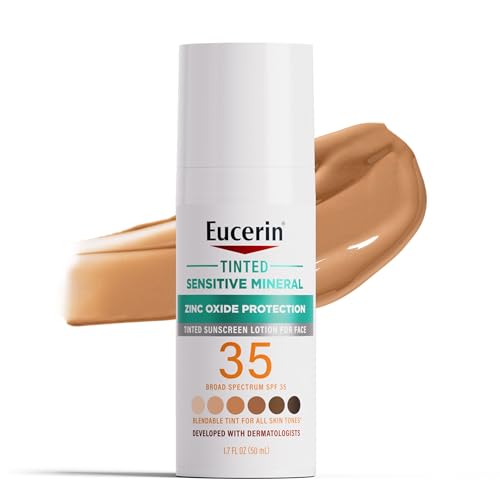
Complete Guide to Sunscreen Cream for Sensitive Skin
Discover how to protect your sensitive skin with the right SPF. Expert advice on mineral vs chemical sunscreens, key ingredients, and application tips for irritation-free sun protection.
Start Your Skincare JourneyFinding the right sunscreen cream for sensitive skin can feel overwhelming. Between mineral formulas, chemical filters, and endless SPF numbers, it's hard to know what will actually protect your skin without causing redness or breakouts. This guide cuts through the confusion, giving you everything you need to choose a sunscreen that works with your sensitive skin—not against it.
💡 The #1 Rule for Sensitive Skin
If your skin reacts to everything, start with a mineral sunscreen containing zinc oxide or titanium dioxide. These ingredients sit on top of the skin and reflect UV rays, making them far less likely to cause irritation than chemical filters. Learn more about building a skincare routine for sensitive skin →
Mineral vs Chemical Sunscreen: Which Is Better for Sensitive Skin?
This is the most important decision you'll make. Here's how these two types of sunscreen compare specifically for sensitive skin.
🌿 Mineral Sunscreen
- Active Ingredients: Zinc oxide, titanium dioxide
- How It Works: Sits on top of skin, reflects UV rays
- Sensitive Skin Benefits: Minimal irritation, gentle, safe for rosacea and eczema
- May Leave: A slight white cast (modern formulas are better)
- Best For: Reactive skin, children, post-procedure skin
⚗️ Chemical Sunscreen
- Active Ingredients: Avobenzone, oxybenzone, octinoxate
- How It Works: Absorbs UV rays and converts them to heat
- Sensitive Skin Benefits: Often more cosmetically elegant, no white cast
- May Cause: Stinging, redness, or allergic reactions in some people
- Best For: Non-reactive sensitive skin, deeper skin tones
For most people with truly sensitive skin, dermatologists recommend mineral formulas. They're less likely to trigger allergic reactions and provide broad-spectrum protection without chemical absorption concerns.
What to Look for in a Sunscreen for Sensitive Skin
Beyond choosing mineral vs chemical, these are the specific ingredients that make a sunscreen truly suitable for sensitive skin.
Ingredients That Calm & Protect
Pro tip: Look for sunscreens that combine SPF protection with soothing ingredients like niacinamide or ceramides. These help strengthen the skin barrier while protecting from UV damage.
⚠️ Ingredients to Avoid
Fragrance and essential oils are common culprits for sensitive skin reactions. Always opt for "fragrance-free" formulas.
How to Apply Sunscreen on Sensitive Skin: Step-by-Step
Even the best sunscreen cream for sensitive skin won't protect you if it's not applied correctly. Follow these steps for maximum protection and minimum irritation.
-
1
Prep Your Skin
Gently cleanse with a gentle, fragrance-free cleanser and pat dry. Don't over-exfoliate before applying sunscreen.
-
2
Apply After Moisturizer
For sensitive skin, apply your moisturizer first and wait 2-3 minutes before sunscreen.
-
3
Use the Right Amount
Apply a nickel-sized amount (about 1/2 teaspoon) for your face and neck.
-
4
Pat, Don't Rub
Gently pat mineral sunscreen into your skin rather than rubbing aggressively, which can cause irritation.
-
5
Wait and Reapply
Wait 15 minutes before sun exposure. Reapply every 2 hours—more often if swimming or sweating.
Which SPF Level Is Best for Sensitive Skin?
Blocks 97% of UVB rays
Blocks 98% of UVB rays
Recommendation: Choose at least SPF 30 for daily use. If you have very fair skin or a history of sun damage, SPF 50 offers slightly more protection. The difference between SPF 50 and SPF 100 is minimal, so don't pay extra for higher numbers.
📚 Related Skincare Guides
✨ Your Perfect Sunscreen Awaits
Finding the right sunscreen cream for sensitive skin is a journey, not a one-size-fits-all solution. Start with a mineral formula, patch-test thoroughly, and don't give up if the first option doesn't work. Your skin deserves protection that feels as good as it looks.
Ready to build your complete sensitive skin routine? Start here →