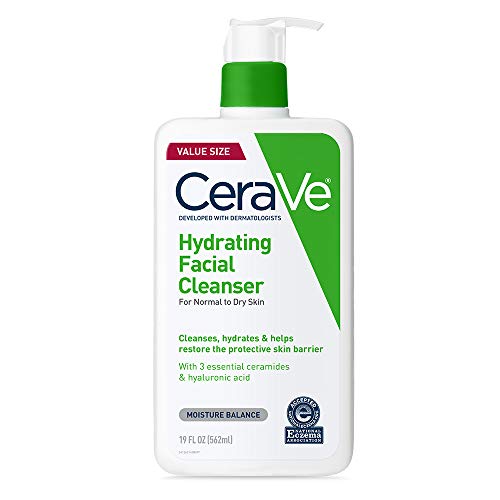
Gentle Cleanser for Sensitive Skin: The Ultimate Guide
Discover how to choose the perfect gentle cleanser to soothe, protect, and nourish your sensitive skin. Your journey to a calm, healthy complexion starts here.
Understanding Sensitive Skin & Cleansing
If you have sensitive skin, you know the struggle of finding a gentle cleanser that cleans without causing redness, tightness, or irritation. The right face wash is the cornerstone of any effective skincare routine, especially for those with reactive or easily irritated skin. A poor choice can strip your skin of its natural oils, leading to a compromised skin barrier, increased sensitivity, and breakouts.
This comprehensive guide is designed for those in the research phase—you already know you need a gentle cleanser, but you need reliable information to make the best choice. We'll break down the ingredients to look for, the ones to avoid, and how to incorporate this crucial step into your skin-care-routines for a truly calm and balanced complexion.
Key Ingredients: What to Look For in a Gentle Cleanser
Choosing a cleanser for sensitive skin isn't just about what it removes, but what it leaves behind. The best formulas are hydrating, soothing, and free from common irritants. Here are the superhero ingredients to seek out:
- Ceramides: These are lipid molecules that naturally occur in the skin. They help rebuild and strengthen the skin's barrier, locking in moisture and keeping irritants out. A cleanser with ceramides is a fantastic choice for facial-cleanser-for-sensitive-skin.
- Hyaluronic Acid (HA): A powerful humectant that draws water into the skin, providing deep hydration. It plumps the skin and helps it retain moisture, combating the dryness that often accompanies sensitivity.
- Aloe Vera: Renowned for its soothing and anti-inflammatory properties. Aloe vera calms redness and irritation, making it a staple in gentle cleansers.
- Glycerin: A simple but effective humectant that attracts moisture to the skin's surface, leaving it feeling soft and supple without being greasy.
- Oat Extract or Colloidal Oatmeal: A FDA-approved skin protectant. It's incredibly soothing and helps relieve itchiness and irritation associated with sensitive skin conditions like eczema.
💡 Pro Tip: When browsing for a skin-moisturizer-for-dry-skin or a cleanser, always look for fragrance-free formulas. "Fragrance" is a blanket term that can hide hundreds of potentially irritating chemicals. Also, avoid essential oils, which are common sensitizers.
Ingredients to Avoid: The Irritant Watchlist
Just as important as knowing what to look for is knowing what to avoid. Many common cleanser ingredients are notorious for triggering flare-ups in sensitive skin. Be sure to check the ingredient list for these culprits:
- Sulfates (SLS, SLES): These harsh detergents create a rich lather but strip the skin of natural oils, leading to dryness and irritation. Look for sulfate-free alternatives that use gentler surfactants.
- Alcohol (Denatured, SD, Isopropyl): While some fatty alcohols are beneficial, simple and denatured alcohols are drying and can severely disrupt the skin barrier. These are often used to create a "quick-drying" feel, which is bad news for sensitive skin.
- Synthetic Fragrances & Dyes: As mentioned, these are common allergens. Even "unscented" products may contain masking fragrances. It's safest to choose products specifically labeled "fragrance-free."
- Harsh Exfoliants (e.g., physical scrubs with rough particles): For sensitive skin, physical exfoliation can cause micro-tears and inflammation. If you want to exfoliate, consider a chemical exfoliant with a low percentage of acid-glycolic or PHA, and use it sparingly.
How to Cleanse Sensitive Skin: A Step-by-Step Guide
The technique you use is as important as the product itself. Even the gentle cleanser for sensitive skin can cause issues if used incorrectly. Follow these steps for the best results:
- Wash Your Hands: Always start with clean hands to avoid transferring bacteria and dirt to your face.
- Use Lukewarm Water: Water that is too hot can strip oils and exacerbate sensitivity. Lukewarm water is ideal for opening pores without causing irritation.
- Apply a Small Amount: Use a pea-sized amount of your gentle cleanser. Less is more, especially for sensitive skin.
- Massage Gently: Use your fingertips (not a washcloth) to massage the cleanser onto your skin in soft, circular motions. Avoid aggressive scrubbing. Take about 30-60 seconds.
- Rinse Thoroughly: Splash your face with lukewarm water until all the cleanser is removed. Residue can be irritating.
- Pat Dry with a Soft Towel: Gently pat your skin dry with a clean, soft towel. Rubbing can cause friction and irritation. Your skin should feel clean, not tight or squeaky-clean.
- Apply Moisturizer Immediately: While your skin is still slightly damp, apply your favorite moisturizer to lock in hydration. This is a critical step for maintaining a healthy skin barrier. Look for a moisturizing-cream-for-dry-skin or a gentle lotion.
Adopting this mindful routine can transform your skin. Consistency is key—cleansing twice daily (morning and night) with a gentle cleanser is the foundation of a getting-started regimen for a calm, glowing complexion.
Quick Tips for Sensitive Skin Success
🔬 Patch Test
Always test a new cleanser on a small area of skin (like behind your ear) for 24 hours before applying it to your entire face.
💧 One Cleanse is Enough
Unless you're wearing heavy makeup or waterproof sunscreen, one gentle cleanse is usually sufficient. Double cleansing can be overly stripping.
🌿 Read the Label
Look for certifications like "Hypoallergenic" and "Dermatologist-Tested," but remember they don't guarantee zero irritation for everyone.
For more in-depth advice on building a complete routine, explore our guide on beauty and cosmetics that respect sensitive skin.