Cosmetics Guide: Expert Tips for Choosing & Using Makeup
Understand the essentials of foundation, concealer, blush, eyeshadow, and lip products so you can choose cosmetics that suit your skin type, undertone, and lifestyle with confidence.
START WITH THE BASICSWhy this cosmetics guide matters: Cosmetics are more than colour—they are tools for enhancing features, protecting the skin, and expressing personal style. This guide explains what each product category does, how to match formulas to your skin type, and how to build a makeup routine that looks natural and lasts. Whether you are buying your first foundation or refining an existing collection, the information below will help you make informed decisions before you shop.
What Are Cosmetics and Why Do They Matter?
Cosmetics are products applied to the face, eyes, lips, and nails to enhance appearance and protect the skin. The category includes foundation, concealer, face powder, blush, eyeshadow, eyeliner, mascara, and lipstick, among others. Modern formulas often combine colour with skincare benefits such as sun protection, hydration, and anti-aging ingredients.
Choosing the right cosmetics begins with understanding your skin type. Oily skin benefits from oil-free, matte formulas; dry skin needs hydrating, cream-based products; sensitive skin should prioritise fragrance-free, hypoallergenic options. Shade matching matters as much as formula: the right undertone makes makeup look seamless, while the wrong one creates a visible line or an ashy finish. For a step-by-step routine that puts these principles into practice, see our getting started guide.
Core Cosmetics Categories Explained
Foundation
Foundation evens out skin tone and provides a base for other makeup. Choose a finish that matches your skin type: matte for oily skin, satin or natural for combination skin, and hydrating or luminous for dry skin. Match the shade to your jawline in natural light.
Concealer
Concealer offers higher coverage for targeted areas: dark circles, blemishes, redness, and uneven tone. Cream concealers suit dry skin, while liquid and stick formats work well for normal and oily skin. Set with a light powder to prevent creasing.
Blush & Bronzer
Blush adds colour and dimension to the cheeks; bronzer warms the complexion and defines features. Powder formulas suit oily skin, cream and liquid formats suit dry skin. Apply lightly and build gradually for a natural look.
Eyeshadow & Eyeliner
Eyeshadow and eyeliner define the eyes and add depth. Powder shadows are easy to blend; cream shadows offer convenience and a dewy finish. Pencil liners are forgiving for beginners, while liquid and gel liners provide sharper definition.
Mascara
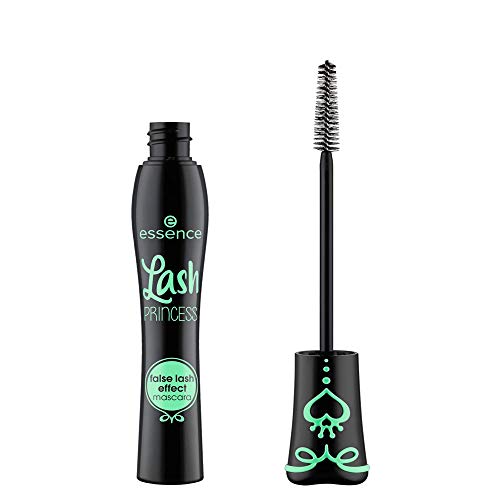
Mascara lengthens, volumises, and darkens lashes. Waterproof formulas resist smudging; regular formulas are easier to remove. Replace mascara every three to six months to avoid bacteria buildup and eye irritation.
Lip Products
Lipstick, lip gloss, lip stain, and lip liner shape and colour the lips. Matte formulas offer long wear; satin and gloss formats are more comfortable. Lip liner can define the lip edge and prevent feathering of colour.
Understanding Cosmetics Quality Tiers
Cosmetics vary widely in formulation, pigment quality, and packaging. The table below describes the typical characteristics of each tier so you can compare products based on what matters most to you—without relying on price alone.
| Tier | Typical Characteristics | Best For |
|---|---|---|
| Entry-Level | Simpler formulations, fewer shade options, basic packaging. May have shorter wear time or less blendability. | Beginners exploring what works, or occasional use. |
| Mid-Range | Improved pigment payoff, wider shade ranges, better packaging and consistency. Balanced performance and value. | Daily use and building a versatile collection. |
| Premium | Finely milled pigments, sophisticated formulas, skincare-infused ingredients, elegant packaging, and extended wear. | Those seeking refined textures and long-lasting performance. |
| Luxury | Exceptional formulation, curated shade ranges, premium ingredients, and distinctive packaging. Often includes refillable or collectible designs. | Special occasions, gifting, and collectors who value craftsmanship. |
A mid-range product often delivers better blendability and wear than an entry-level option, while a premium formula may offer finer pigments and skincare benefits. The best choice depends on your priorities: frequency of use, skin sensitivity, desired finish, and the role the product plays in your routine. For a broader overview of how cosmetics fit into a complete routine, explore our beauty products guide.
How to Build a Cosmetics Routine
A well-structured routine ensures each product performs at its best. Start with skin preparation, then apply base products, add colour, and finish with setting products. The sequence below is a reliable framework for most skin types.
- Prepare the skin: Cleanse, moisturise, and apply sunscreen. A smooth, hydrated base helps makeup apply evenly and last longer. If you use a face primer, apply it after moisturiser and before foundation.
- Apply foundation: Use a foundation brush or beauty blender to apply thin layers, building coverage only where needed. Blend outward from the centre of the face.
- Conceal targeted areas: Apply concealer under the eyes, on blemishes, and around the nose. Use a small brush or fingertip to tap the product into the skin, then set with a light powder.
- Add colour: Apply blush to the apples of the cheeks, bronzer to the perimeter of the face, and highlighter to the high points. For eyes, use eyeshadow brushes to blend shadows and a eyeliner to define the lash line.
- Define lips and lashes: Apply mascara to lengthen and volumise lashes. Use lip liner to shape the lips, then fill with lipstick or lip gloss.
- Set the look: Lightly dust setting powder over the T-zone, then mist with setting spray to lock everything in place and reduce transfer.
Pro tip: Less is more. Build coverage in thin layers rather than applying a thick layer at once. This approach looks more natural, blends more easily, and wears better throughout the day.
Matching Cosmetics to Your Skin Type
Skin type influences how cosmetics behave. Oily skin can break down makeup quickly, so oil-free, matte formulas and setting powders are helpful. Dry skin benefits from cream-based products and hydrating primers; powder products should be used sparingly to avoid emphasising flakiness. Combination skin often needs different approaches for different zones—matte products on the T-zone and hydrating formulas on the cheeks. Sensitive skin should avoid fragranced products and known irritants; mineral-based cosmetics are often a gentler choice. If you have specific concerns such as redness or dark circles, a color corrector can neutralise discolouration before concealer is applied.
For mature skin, cream formulas and luminous finishes can help maintain a fresh appearance, while anti-wrinkle facial oils used in skincare can improve the canvas before makeup. If you are exploring natural options, our guide to clean beauty brands explains what to look for in ingredient lists.
Common Cosmetics Mistakes to Avoid
Wrong Shade Match
Testing foundation on the hand or under artificial light often leads to a mismatched shade. Test on the jawline in natural daylight and check that the colour blends seamlessly with both the face and neck.
Skipping Primer
Primer creates a smooth base and helps makeup last longer. Choose a formula suited to your skin type: mattifying for oily skin, hydrating for dry skin, and colour-correcting for redness or dullness.
Over-Powdering
Too much powder can make the skin look flat and emphasise fine lines. Apply translucent powder only where needed—typically the T-zone—and use a light hand to maintain a natural finish.
Ignoring Expiry Dates
Cosmetics have a shelf life. Mascara should be replaced every three to six months, liquid foundation every six to twelve months, and powder products every one to two years. Expired products can harbour bacteria and cause irritation.
Frequently Asked Questions About Cosmetics
Match foundation to your undertone and shade depth in natural daylight. Test on your jawline, not your hand, and choose a formula suited to your skin type: matte for oily skin, hydrating for dry skin, and natural finish for combination skin. If you are between shades, choose the lighter option and warm it up with bronzer rather than going darker, which can look unnatural.
Foundation evens out overall skin tone across the face, while concealer provides targeted, higher-coverage correction for blemishes, dark circles, and redness. Use foundation first, then concealer where extra coverage is needed. For dark circles, a peach or orange-toned colour corrector under concealer can neutralise the blue or purple undertone.
Start with a primer suited to your skin type, apply thin layers of base products, set with a light translucent powder, and finish with a setting spray. Avoid over-applying product, which can cause creasing and fading. Touch-ups with blotting paper and a light powder are more effective than adding more foundation during the day.
Look for fragrance-free, hypoallergenic formulas with minimal ingredients. Mineral-based foundations and blushes tend to be gentler. Always patch-test new products on a small area of skin before full application, and avoid known irritants such as certain dyes, alcohol, and essential oils. Our guide to non-toxic skincare covers ingredient considerations in more detail.
Warm undertones pair well with peach, coral, and warm red shades; cool undertones suit berry, mauve, and blue-based reds. Neutral undertones can wear most shades. Consider the occasion and desired finish: matte for long wear, satin for comfort, gloss for shine. A lip liner one shade deeper than your lipstick can define the shape and help colour last longer.
Final Thoughts on Choosing Cosmetics
Cosmetics are personal tools. The best products for you are those that match your skin type, complement your undertone, and fit the way you live. Use this guide as a reference when comparing formulas and finishes, and remember that technique—how you apply a product—often matters as much as the product itself. Build your collection gradually, prioritise products that address your specific needs, and don't be afraid to experiment until you find what works.
For a complete view of how cosmetics fit into a broader beauty routine, explore our beauty products hub and beauty tools guide. Before purchasing, review our affiliate disclosure to understand how this site is supported.