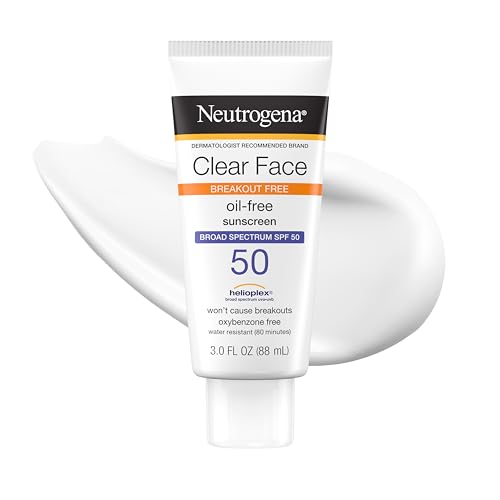
Your Ultimate Guide to the Best Sunscreen for the Face
Daily facial sunscreen is your most powerful weapon against premature aging, dark spots, and skin cancer. Discover how to choose the perfect SPF for your unique skin type.
Explore Our Skincare GuidesApplying sunscreen for the face every day is the single most effective step you can take to protect your skin's health and appearance. While many people associate sunscreen only with beach days or sunny weather, UV rays are present year-round and can penetrate clouds and windows. This daily exposure is responsible for up to 90% of visible skin aging. Choosing the right facial sunscreen ensures your skin stays shielded from both UVA (aging) and UVB (burning) rays without clogging pores or leaving a white cast.
Why You Need Daily SPF for Your Face
The skin on your face is thinner and more sensitive than the rest of your body, making it especially vulnerable to sun damage. Daily use of a broad-spectrum sunscreen for the face helps prevent hyperpigmentation, fine lines, and the breakdown of collagen. It’s also crucial for anyone using active skincare ingredients like retinol or vitamin C, as these can increase sun sensitivity. Incorporating SPF into your morning routine is a non-negotiable step for maintaining a youthful, even complexion.
How to Choose the Best Facial Sunscreen
Not all sunscreens are created equal, and the best one for you depends on your skin type, lifestyle, and preferences. Here are the key factors to consider when selecting your ideal face sunscreen:
SPF 30 or Higher
Dermatologists recommend SPF 30 as the minimum for daily wear. SPF 50 offers even better protection, especially for fair skin.
Broad-Spectrum
Ensure your sunscreen protects against both UVA and UVB rays. Look for "broad-spectrum" on the label.
Formulation
Choose a formula that suits your skin. Gel-based or oil-free for oily skin, and cream-based with added moisturizers for dry skin.
Mineral vs. Chemical
Mineral sunscreens (zinc oxide or titanium dioxide) sit on top of the skin and are less irritating. Chemical sunscreens absorb UV rays and are often more lightweight.
Best Sunscreens for Different Skin Types
Understanding your skin type is the first step to finding the perfect sunscreen for the face. Here’s a breakdown of what to look for:
Oily & Acne-Prone Skin
Opt for lightweight, non-comedogenic formulas like gel or fluid sunscreens. Ingredients like niacinamide or green tea can help soothe inflammation. Consider a mattifying skin moisturizer for oily skin combined with SPF for a two-in-one step.
Dry & Dehydrated Skin
Look for sunscreens with hydrating ingredients such as hyaluronic acid, glycerin, or ceramides. Cream-based sunscreens offer a boost of moisture while protecting the skin barrier.
Sensitive Skin
Mineral sunscreens with zinc oxide or titanium dioxide are generally best for sensitive skin. They are less likely to cause irritation or allergic reactions. Fragrance-free and hypoallergenic formulas are also recommended, which are often found in sunscreen cream for sensitive skin.
Combination Skin
A gel-cream hybrid sunscreen is ideal. It provides enough hydration for dry areas without making the T-zone too greasy. Look for a weightless, fast-absorbing formula.
How to Apply Sunscreen for Maximum Protection
Applying face sunscreen correctly is just as important as choosing the right product. Follow these tips to ensure you get the full SPF protection:
- Apply generously: Use about a nickel-sized amount for your entire face and neck.
- Apply before makeup: Sunscreen should be the last step of your skincare routine, right before makeup or primer.
- Don't forget areas: Apply to your ears, the back of your neck, and your hairline.
- Reapply regularly: Sunscreen wears off after 2 hours. If you spend time outdoors, reapply every two hours, especially after swimming or sweating.
Many experts recommend a two-step approach: use a tinted face moisturizer with SPF for a light coverage base, and then a dedicated sunscreen for your face for more robust protection.
Debunking Common Sunscreen Myths
Despite the overwhelming evidence, several myths about sunscreen for the face continue to persist. Let's separate fact from fiction:
- Myth: I don't need sunscreen on cloudy days.
Fact: Up to 80% of UV rays can penetrate clouds. - Myth: My foundation has SPF, so I'm protected.
Fact: You would need to apply a very large amount to achieve the labeled SPF. A dedicated sunscreen is more reliable. - Myth: Sunscreen causes breakouts.
Fact: Many modern sunscreens are formulated specifically to be non-comedogenic and suitable for acne-prone skin. - Myth: I only need sunscreen if I'm going to the beach.
Fact: UV rays are present every day and can cause damage during your daily commute or while sitting near a window.
Make Sunscreen a Daily Habit
Making sunscreen for the face a daily, non-negotiable part of your routine is one of the best decisions you can make for your skin's long-term health. By choosing the right SPF and applying it correctly, you're investing in a future of healthier, more radiant skin. Be consistent, and your skin will thank you for years to come.