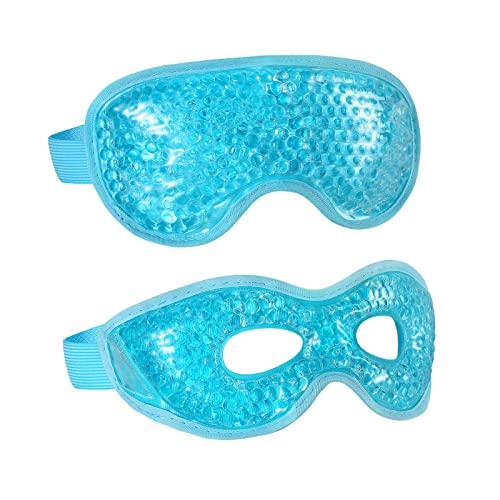
Eye Mask for Eye Bags: Your Complete Depuffing Guide
Discover how the right under-eye mask can reduce puffiness, brighten dark circles, and restore a rested look. Expert advice on types, ingredients, and routines.
SHOP EXPERT PICKSWhy Eye Bags Happen: Puffiness under the eyes is often caused by fluid retention, lack of sleep, allergies, or the natural aging process. A well-formulated eye mask can help constrict blood vessels, boost hydration, and temporarily tighten the skin—giving you a fresher, more awake appearance. This guide will help you choose the right mask for your specific concern.
What Is an Eye Mask for Eye Bags?
An eye mask for eye bags is a targeted skincare treatment designed to address puffiness, dark circles, and tired-looking skin around the eyes. Unlike a full-face mask, these masks are shaped to fit the delicate under-eye area, delivering concentrated ingredients exactly where you need them most.
Most eye masks come in two main formats: hydrogel patches that adhere closely to the skin and provide a cooling effect, or sheet masks made from lightweight fabrics soaked in serum. Both types can be effective, but hydrogel masks tend to offer superior grip and a more pronounced depuffing sensation—especially when chilled.
For those dealing with multiple concerns, combining an eye mask with a targeted eye serum for dark circles can enhance results. If you're also looking to improve the overall appearance of your eye area, explore our broader collection of eye masks for different skin needs.
Types of Eye Masks for Eye Bags
Understanding the different mask formats helps you pick the one that fits your lifestyle and skin type best. Here's a breakdown of the most common options:
Hydrogel Eye Masks
These jelly-like patches are soaked in serum and adhere tightly to the skin. They provide an instant cooling effect that helps constrict blood vessels and reduce puffiness. Hydrogel masks are ideal for morning use or before events. Look for ingredients like caffeine, cucumber extract, and hyaluronic acid.
Sheet Eye Masks
Made from thin fabric or fiber, sheet masks are lightweight and often more affordable. They deliver a burst of hydration and are great for regular maintenance. While they may not adhere as snugly as hydrogel, they're comfortable and easy to use—perfect for a relaxing self-care session.
Sleeping Eye Masks
These are leave-on treatments, often in cream or gel form, applied before bed. They work while you sleep to deeply hydrate and support skin repair. Sleeping masks are excellent for dry, mature skin and for those who want a no-fuss routine. Pair with a moisturizer for dry sensitive skin if your under-eyes feel tight.
Peptide & Collagen Masks
Formulated with peptides, collagen, and other firming ingredients, these masks target loss of elasticity. They're a good choice if your eye bags are accompanied by crepiness or thinning skin. For a more intensive approach, consider combining with a face lifting device as part of your routine.
Vitamin C & Niacinamide Masks
These masks focus on reducing dark circles and uneven tone. Vitamin C brightens, while niacinamide strengthens the skin barrier and reduces redness. If dark circles are your primary concern alongside bags, this type is a smart pick. You can also explore a dedicated eye serum for dark circles for daily use.
Aloe & Cucumber Masks
Gentle and calming, these masks are perfect for sensitive or irritated skin. Aloe vera and cucumber are natural soothers that can help reduce inflammation and puffiness. If your skin is reactive, look for fragrance-free options. A face cream for sensitive skin can complement your routine.
Key Ingredients to Look For
When choosing an eye mask for eye bags, the ingredient list matters more than the packaging. Here are the most effective ingredients to prioritize:
- Caffeine: A vasoconstrictor that temporarily reduces puffiness by narrowing blood vessels. It's one of the most reliable ingredients for de-puffing.
- Hyaluronic Acid: A humectant that draws moisture into the skin, plumping fine lines and giving a smoother appearance.
- Peptides: Support collagen production and help firm the skin over time, making them ideal for mature or thinning under-eye skin.
- Niacinamide: Brightens dark circles, strengthens the skin barrier, and reduces inflammation.
- Vitamin C: An antioxidant that brightens and protects against environmental damage.
- Aloe Vera & Cucumber: Natural soothers that calm irritation and provide a cooling effect.
- Green Tea Extract: Rich in antioxidants and caffeine, it helps reduce puffiness and soothe the skin. Explore green tea skincare for more benefits.
Avoid masks with high alcohol content, strong fragrances, or essential oils if you have sensitive skin. For a gentle daily cleanser that won't irritate the eye area, consider a facial cleanser for sensitive skin.
How to Use an Eye Mask for Best Results
Using an eye mask correctly can make a noticeable difference in its effectiveness. Follow these steps for optimal results:
- Cleanse and tone: Start with a clean, dry face. Gently pat the under-eye area dry. If you use a toner, choose a hydrating formula like a face toner for dry skin.
- Chill for extra depuffing: Store hydrogel masks in the refrigerator for 15–30 minutes before use. The cold temperature enhances the constricting effect on blood vessels.
- Apply carefully: Place the mask directly under the eye, smoothing out any air bubbles. Avoid getting too close to the lash line to prevent irritation.
- Relax for 10–20 minutes: Leave the mask on for the recommended time. Use this time to practice mindfulness or simply rest.
- Remove and pat: Gently remove the mask and pat any remaining serum into the skin. Do not rinse.
- Follow with eye cream: Seal in hydration with a lightweight eye cream or a moisturizer for oily skin if you're prone to shine.
Use your eye mask 2–3 times per week for maintenance, or as needed before events. Consistent use, combined with a good sleep routine, will yield the best long-term results.
Eye Mask Types at a Glance
| Mask Type | Best For | Key Benefit | Usage Frequency |
|---|---|---|---|
| Hydrogel | Morning puffiness, special events | Instant cooling & depuffing | 2–3x per week or as needed |
| Sheet | Hydration, relaxation | Lightweight moisture boost | 2–3x per week |
| Sleeping Mask | Dry, mature skin | Overnight repair & hydration | 1–3x per week |
| Peptide/Collagen | Firming, anti-aging | Supports elasticity | 2–3x per week |
| Brightening (Vit C) | Dark circles, dullness | Evens tone & brightens | 2–3x per week |
| Soothing (Aloe) | Sensitive, irritated skin | Calms & reduces redness | As needed |
How to Choose the Right Eye Mask for Your Eye Bags
With so many options available, selecting the right mask can feel overwhelming. Use the following criteria to narrow down your choices:
- Identify your primary concern: Is it puffiness, dark circles, dryness, or fine lines? Choose a mask that targets your main issue first.
- Consider your skin type: Oily skin may prefer lightweight gels, while dry skin benefits from richer, hydrating formulas. Sensitive skin should opt for fragrance-free, minimal-ingredient masks.
- Check the ingredient list: Look for proven actives like caffeine, hyaluronic acid, and peptides. Avoid potential irritants if your skin is reactive.
- Decide on format: Hydrogel for maximum depuffing, sheet for convenience, or sleeping masks for overnight care.
- Read reviews: Look for feedback from users with similar skin types and concerns. Pay attention to comments about adhesion, comfort, and visible results.
If you're new to eye care, start with a gentle, hydrating mask and gradually introduce more active ingredients. Pair your mask with a gentle face cleanser to keep the delicate eye area calm.
Ready to Refresh Your Under-Eye Area?
Explore our curated selection of eye masks designed to target puffiness, dark circles, and tired-looking skin. Find the perfect addition to your skincare routine.
VIEW RECOMMENDED PRODUCTSFrequently Asked Questions
How often should I use an eye mask for eye bags?
For most hydrating or depuffing eye masks, 2–3 times per week is sufficient. If your under-eye area is very dry or you have a special event, you can use a gentle hydrating mask daily for a short period. Always follow the product instructions and stop if irritation occurs.
Can eye masks permanently remove eye bags?
Eye masks can significantly reduce the appearance of puffiness and dark circles caused by fluid retention, fatigue, or dryness. However, they cannot permanently remove structural eye bags caused by genetics or aging. For persistent or severe bags, consult a dermatologist about other options.
What ingredients should I look for in an eye mask for eye bags?
Look for caffeine (constricts blood vessels and reduces puffiness), hyaluronic acid (hydrates and plumps), peptides (support skin firmness), niacinamide (brightens and strengthens the skin barrier), and cooling agents like cucumber or aloe vera. Avoid strong fragrances and alcohol if you have sensitive skin.
Are hydrogel or sheet eye masks better for eye bags?
Hydrogel masks adhere closely to the skin and provide a cooling effect, making them excellent for depuffing. Sheet masks are lighter and often more affordable, good for hydration. Both can work well—choose based on your skin sensitivity and preference.
Can I use an eye mask if I have sensitive skin?
Yes, but choose a mask formulated for sensitive skin. Look for fragrance-free, alcohol-free options with soothing ingredients like aloe vera, cucumber, or oat extract. Always do a patch test on your inner arm before applying to the eye area. If you have a known skin condition, consult your dermatologist first.
Continue Your Eye Care Journey: Explore related guides to build a complete under-eye routine. Learn about different eye mask types, find the best serum for dark circles, or discover how to get started with a skincare routine. If you're interested in other eye enhancements, check out our resources on eye lashes and eyelash growth serums.