Antifungal Cream: The Complete Guide to Effective Treatment
Discover how to choose and use antifungal creams for athlete's foot, jock itch, ringworm, and more. Learn about active ingredients, application tips, and safety precautions.
Explore Antifungal ProductsDid you know? Fungal skin infections affect millions of people worldwide. The right antifungal cream can clear most infections within 2–4 weeks when used correctly. This guide helps you understand your options and make an informed choice.
What is an Antifungal Cream?
An antifungal cream is a topical medication used to treat fungal infections of the skin, nails, and mucous membranes. These creams contain active ingredients that kill or inhibit the growth of fungi, such as dermatophytes, yeasts, and molds. Common conditions treated include athlete's foot, jock itch, ringworm, and yeast infections.
Unlike oral antifungal medications, creams are applied directly to the affected area, minimizing systemic side effects. They are available over-the-counter (OTC) or by prescription, depending on the strength and type of active ingredient.
Types of Antifungal Creams
Antifungal creams are classified by their active ingredients. The most common types include:
Azole Creams
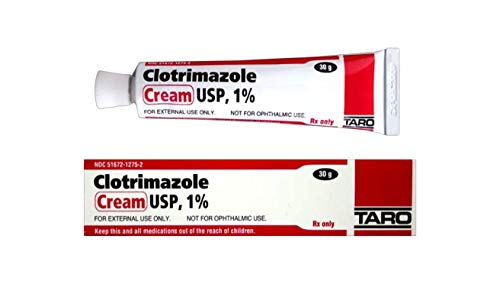
- Clotrimazole – Effective against athlete's foot, jock itch, and ringworm. Often found in OTC products.
- Miconazole – Broad-spectrum antifungal used for skin and vaginal infections.
- Ketoconazole – Treats seborrheic dermatitis and tinea versicolor (prescription strength).
- Econazole – Prescription-only for severe fungal infections.
Allylamine Creams
- Terbinafine – Highly effective for athlete's foot and ringworm. Often cures in 1–2 weeks.
- Naftifine – Prescription cream for dermatophyte infections.
Other Types
- Polyene (Nystatin) – Used for Candida (yeast) infections.
- Butenafine – Similar to terbinafine, treats athlete's foot and ringworm.
How to Use Antifungal Cream Correctly
Proper application is crucial for effective treatment. Follow these steps for best results:
- Clean and dry the affected area thoroughly before application.
- Apply a thin layer of cream to the infected skin and a small margin around it.
- Gently massage the cream until absorbed. Do not rub vigorously.
- Wash hands immediately after application (unless treating hands).
- Use consistently for the full prescribed duration, even if symptoms improve.
- Avoid covering with occlusive dressings unless directed by a doctor.
Most OTC creams are applied once or twice daily. For athlete's foot, be sure to apply between toes and to the soles. For jock itch, keep the groin area dry and avoid tight clothing.
Safety and Side Effects
Antifungal creams are generally safe when used as directed. However, mild side effects may occur:
- Burning, stinging, or redness at the application site.
- Dryness or peeling of the skin.
- Allergic reactions (rare) – discontinue use and consult a doctor if severe.
If you are pregnant, nursing, or have a weakened immune system, consult a healthcare professional before using any antifungal cream. Do not use on broken skin or open wounds unless directed by a physician.
When to See a Doctor
Most fungal infections respond well to OTC antifungal creams. However, seek medical advice if:
- Infection does not improve after 2 weeks of treatment.
- Symptoms worsen or spread to other areas.
- You have diabetes, circulation problems, or a weakened immune system.
- The infection is on the face or genitals (some require prescription treatment).
A doctor may prescribe a stronger antifungal or oral medication if needed. For nail fungus, topical creams are often less effective, and oral therapy may be required.
Prevention Tips
Preventing fungal infections is easier than treating them. Follow these tips to reduce your risk:
- Keep skin clean and dry, especially in folds and between toes.
- Wear breathable fabrics (cotton) and change socks daily.
- Avoid walking barefoot in public showers, pools, and locker rooms.
- Do not share towels, clothing, or personal items.
- Use antifungal powder or spray as a preventative measure in high-risk environments.
For more on skincare routines and maintaining healthy skin, explore our other guides.
Conclusion: Choose the Right Antifungal Cream
Antifungal creams are a safe and effective first-line treatment for common fungal skin infections. By understanding the types of active ingredients, proper application techniques, and safety precautions, you can successfully treat athlete's foot, jock itch, ringworm, and more. Always follow the label instructions, and if symptoms persist, consult a healthcare professional.
Ready to find the right product? Check out our recommended antifungal creams below, selected for their efficacy and positive user reviews.
For more skin health advice, see our guides on sensitive skin care, dry skin, and oily skin. Learn about natural skincare and beauty tools to complement your routine.