Athlete's Foot: Symptoms, Causes, and Effective Treatments
Understand the causes and symptoms of athlete's foot and discover the most effective treatments to cure and prevent this common fungal infection.
Explore Treatment OptionsWhat Is Athlete's Foot? Also known as tinea pedis, athlete's foot is a common fungal infection that affects the skin on the feet. It thrives in warm, moist environments like sweaty shoes and public showers. While it's easily treatable, it can be persistent and uncomfortable if not addressed properly.
Common Symptoms of Athlete's Foot
Athlete's foot can present in various ways. Recognizing the symptoms early is key to starting treatment quickly and preventing the infection from spreading. Common signs include:
Itching and Burning
Intense itching, especially between the toes, is often the first sign. The affected area may also feel a burning or stinging sensation.
Redness and Scaling
The skin may appear red, scaly, and cracked. In some cases, peeling skin can occur, particularly between the toes or on the soles of the feet.
Blisters or Ulcers
Blisters can form, which may ooze or become crusty. These can be painful and increase the risk of secondary bacterial infections if scratched.
Foul Odor
The fungal infection can cause an unpleasant odor, often accompanied by excessive sweating and maceration (softening and breaking down of skin).
What Causes Athlete's Foot?
Athlete's foot is caused by a group of fungi called dermatophytes. These fungi thrive in warm, damp environments and can be contracted through direct contact with an infected person or contaminated surfaces. Common risk factors include:
- Walking barefoot in public areas: Locker rooms, swimming pools, and communal showers are prime locations for picking up the fungus.
- Wearing tight, non-breathable shoes: These create a warm, moist environment ideal for fungal growth. Opt for breathable footwear to reduce your risk.
- Excessive sweating: Sweaty feet provide the perfect breeding ground for fungi. Changing socks regularly can help.
- Sharing personal items: Sharing towels, socks, or shoes can spread the infection from person to person.
- Weakened immune system: Individuals with a compromised immune system are more susceptible to infections, including athlete's foot.
Effective Treatment Options
Athlete's foot is highly treatable. Over-the-counter antifungal medications are usually effective, but more persistent cases may require prescription-strength options. Here are the most common treatment types:
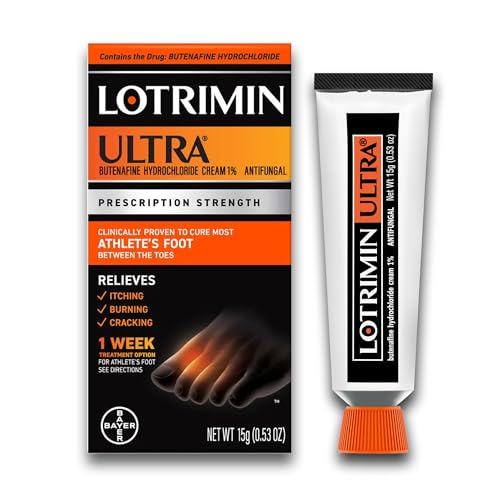
- Topical Antifungal Creams and Ointments: These are applied directly to the affected area. Common active ingredients include clotrimazole, miconazole, terbinafine, and ketoconazole. They work by killing the fungus or stopping its growth.
- Antifungal Powders and Sprays: These are great for keeping feet dry and preventing reinfection. They are often used alongside creams to manage moisture.
- Prescription-Strength Treatments: For severe or persistent infections, a doctor may prescribe stronger topical medications or even oral antifungal drugs like terbinafine or itraconazole.
- Proper Foot Hygiene: Washing feet daily, drying them thoroughly (especially between toes), and changing socks regularly are essential to support treatment and prevent recurrence.
How to Prevent Athlete's Foot
Prevention is always better than cure. Incorporating these habits into your routine can help you avoid the discomfort of athlete's foot:
Keep Feet Dry
Dry your feet thoroughly after washing, paying special attention to the spaces between your toes. Use a separate towel for your feet.
Wear Breathable Footwear
Choose shoes made of breathable materials like leather or mesh. Alternate shoes to allow them to dry completely between wears.
Use Antifungal Powder
Apply antifungal powder to your feet and inside your shoes regularly to absorb moisture and prevent fungal growth.
Wear Socks That Wick Moisture
Choose moisture-wicking socks made from materials like cotton, wool, or synthetic blends designed to draw sweat away from your skin.
Protect Your Feet in Public Areas
Always wear flip-flops or shower shoes in public pools, locker rooms, and communal showers.
Don't Share Personal Items
Never share towels, socks, or shoes with others to minimize the risk of spreading or contracting the infection.
Finding the Right Treatment for You
When choosing an antifungal treatment, consider the severity and location of the infection. Creams and ointments are excellent for targeted application, while sprays and powders are convenient for treating larger areas and preventing recurrence. If your symptoms persist after two weeks of treatment, it's wise to consult a healthcare professional.
To help you find the best solution, we've curated a selection of top-rated athlete's foot treatments below. These products are chosen for their proven efficacy and positive customer reviews.
💡 Price Guide: Over-the-counter antifungal treatments typically cost between $10–$25 for creams, sprays, and powders. Prescription-strength options may cost $30–$100+ depending on your insurance and medication type.