Ringworm Treatment Guide: Causes, Symptoms & Best Antifungal Creams
Discover effective ringworm treatments, including the best antifungal creams, home care tips, and prevention strategies to clear the infection quickly.
Ringworm, despite its name, is not caused by a worm but by a fungal infection known as dermatophytosis. This common condition affects the skin, scalp, nails, and other areas, causing a characteristic ring-shaped rash with a raised, red border and clear center. While ringworm is highly contagious, it is also highly treatable with the right antifungal cream and proper care.
Whether you're dealing with ringworm on the body (tinea corporis), scalp (tinea capitis), jock itch (tinea cruris), or athlete's foot (tinea pedis), this guide will help you understand the causes, symptoms, and the most effective treatment options available. We'll also share tips on how to prevent reinfection and when to consult a healthcare professional.
What Is Ringworm?
Ringworm is a common fungal skin infection caused by dermatophytes, a group of fungi that thrive on keratin—the protein found in skin, hair, and nails. The infection appears as a red, scaly, ring-shaped rash that may be itchy or uncomfortable. The fungi are highly contagious and can spread through direct contact with an infected person, animal, or contaminated surfaces such as towels, clothing, or gym equipment.
There are several types of ringworm, each named based on the affected body part:
- Tinea corporis: Ringworm on the body or trunk.
- Tinea capitis: Ringworm on the scalp, often causing hair loss or bald patches.
- Tinea cruris: Jock itch, affecting the groin area.
- Tinea pedis: Athlete's foot, affecting the feet, especially between the toes.
- Tinea unguium: Ringworm of the nails, causing thickening and discoloration.
Key Fact: Ringworm is more common in warm, humid environments and can be spread through contact with infected pets, especially cats and dogs. If you notice any symptoms, it's essential to start treatment promptly to prevent spreading it to others.
Symptoms of Ringworm
Recognizing the symptoms of ringworm is the first step toward effective treatment. While symptoms may vary depending on the affected area, here are the most common signs to look for:
- Ring-shaped rash: A circular, red, scaly patch with a raised border and a clear or normal-looking center.
- Itching and discomfort: The affected area is often intensely itchy, especially in warm or humid conditions.
- Scaling or peeling: The skin may become dry, cracked, or flaky, particularly on the feet or scalp.
- Hair loss: Scalp ringworm can cause brittle hair, bald patches, and sometimes painful, swollen areas.
- Nail changes: Fungal nail infections can cause yellowing, thickening, or crumbling of the nails.
If you experience any of these symptoms, it's important to seek treatment early. Over-the-counter antifungal cream products are often effective for mild to moderate cases, but persistent or severe infections may require prescription medication.
Causes and Risk Factors
Ringworm is caused by dermatophyte fungi that thrive in warm, moist environments. The infection spreads through:
- Direct contact: Touching an infected person, animal, or contaminated surface.
- Indirect contact: Sharing personal items such as towels, clothing, combs, or grooming tools.
- Environmental exposure: Walking barefoot in damp public areas like gyms, locker rooms, or swimming pools.
Certain factors can increase your risk of developing ringworm, including:
- Living in a warm, humid climate.
- Frequent contact with animals, especially stray or unvaccinated pets.
- Participating in contact sports like wrestling or martial arts.
- Having a weakened immune system due to illness or medication.
- Wearing tight or non-breathable clothing that traps moisture.
Prevention Tip: Keep skin clean and dry, avoid sharing personal items, and wear breathable fabrics to reduce your risk of infection. If you have a pet, regularly check for signs of ringworm, such as patchy hair loss or scaly skin.
Diagnosis: When to See a Doctor
While many cases of ringworm can be treated with over-the-counter antifungal creams, it's important to know when to consult a healthcare professional. You should see a doctor if:
- The rash does not improve after two weeks of treatment.
- The infection spreads to a large area of the body.
- You develop a fever or signs of a secondary bacterial infection.
- The ringworm affects your scalp, nails, or is accompanied by significant hair loss.
- You have a weakened immune system or a chronic health condition.
A doctor can diagnose ringworm through a physical examination, using a Wood's lamp to highlight the fungal infection, or by taking a skin scraping for laboratory analysis. Early diagnosis ensures you receive the most effective treatment and can help prevent complications.
Best Antifungal Creams and Treatments
Ringworm is typically treated with topical antifungal medications, which are available over the counter or by prescription. The key to successful treatment is consistency—apply the cream as directed and continue use for the full recommended period, even if symptoms improve.
Over-the-Counter Antifungal Creams
For mild to moderate cases, OTC creams are highly effective. The most common active ingredients include:
- Clotrimazole: A broad-spectrum antifungal effective against various types of ringworm.
- Miconazole: Used to treat athlete's foot, jock itch, and ringworm.
- Terbinafine: Available in cream, spray, or gel forms and known for its rapid action.
- Ketoconazole: A powerful antifungal often used for scalp and skin ringworm.
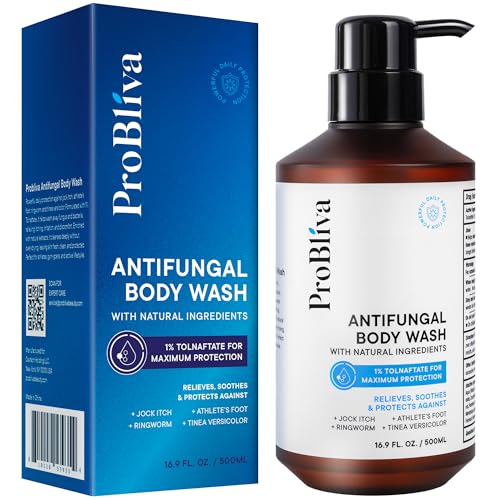
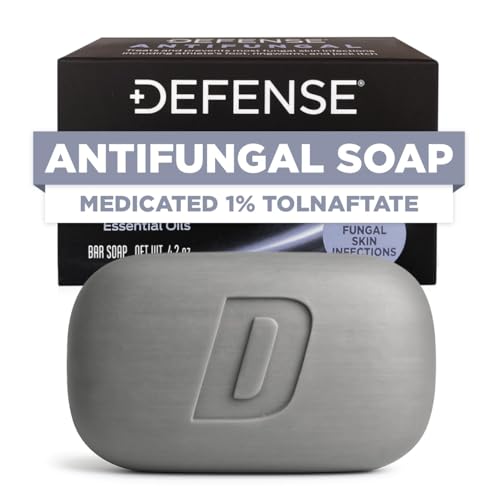
- Tolnaftate: A popular antifungal for treating athlete's foot and ringworm.
Expert Tip: When choosing an antifungal cream, look for products that are specifically formulated for your type of ringworm. For example, creams with terbinafine are often recommended for athlete's foot, while clotrimazole is excellent for general ringworm infections.
Prescription Antifungal Treatments
For more severe or persistent infections, especially those affecting the scalp or nails, your doctor may prescribe oral antifungal medications. These include:
- Griseofulvin: Often used for scalp and nail ringworm.
- Terbinafine (oral): Effective for nail infections and widespread ringworm.
- Itraconazole: Used for severe fungal infections that do not respond to other treatments.
- Fluconazole: A single-dose oral option for some types of ringworm.
Oral medications are typically taken for several weeks and may have side effects, so they should be used under medical supervision.
Home Remedies and Natural Treatments
While home remedies are not a substitute for medical treatment, they can complement antifungal therapy and help soothe symptoms. Some popular options include:
- Tea Tree Oil: Known for its antifungal properties, diluted tea tree oil can be applied to the affected area.
- Aloe Vera: The gel from aloe vera leaves has soothing and mild antifungal effects. Learn more in our aloe vera guide.
- Garlic Paste: Garlic contains a compound called allicin, which has antifungal properties.
- Coconut Oil: Caprylic acid in coconut oil has antifungal properties and can be applied topically.
⚠️ Important: Home remedies should be used with caution. Always patch-test natural remedies before applying to a large area, and consult your healthcare provider if you have sensitive skin or are taking other medications.
Step-by-Step Treatment Guide
Treating ringworm effectively requires a systematic approach. Follow these steps for the best results:
- Clean the affected area: Wash the infected skin with mild soap and water, then pat dry gently. Do not scrub, as this can irritate the skin and spread the infection.
- Apply the antifungal cream: Apply a thin layer of the cream to the affected area and slightly beyond the rash's border. Wash your hands thoroughly after application.
- Follow the treatment schedule: Apply the cream twice daily (or as directed) for the full recommended period, usually 2 to 4 weeks. Do not stop early, even if the rash disappears, as the fungus may still be present.
- Keep the area dry: Moisture can promote fungal growth. Wear loose, breathable clothing and change out of sweaty clothes quickly. For athlete's foot, allow feet to air dry and wear moisture-wicking socks.
- Practice good hygiene: Wash towels, bedding, and clothing in hot water. Avoid sharing personal items to prevent spreading the infection to others.
- Monitor for improvement: You should see improvement within a few days of starting treatment. If the rash worsens or doesn't improve after two weeks, consult your healthcare provider.
Pro Tip: Consistency is key. Set a reminder to apply your antifungal cream at the same time each day to ensure you don't miss a dose. This will help you get rid of ringworm faster and reduce the risk of reinfection.
Prevention Tips
Preventing ringworm is often easier than treating it. Here are some tips to minimize your risk and prevent recurrence:
- Keep skin clean and dry: Shower after sweating, dry thoroughly, and use talcum powder in warm, moist areas to reduce fungal growth.
- Wear breathable fabrics: Choose natural fibers like cotton and avoid tight clothing that traps moisture.
- Protect your feet in public areas: Wear flip-flops or shower shoes in locker rooms, public showers, and around pools.
- Avoid sharing personal items: Do not share towels, clothing, hairbrushes, or grooming tools with others.
- Practice good pet care: Regularly check your pets for signs of ringworm (bald patches, scaly skin) and consult a vet if you suspect they have an infection.
- Maintain a healthy immune system: A balanced diet, adequate sleep, and regular exercise can help your body fight off infections.
Remember: If you or a family member has ringworm, disinfect frequently touched surfaces and wash all bedding and clothing in hot water to prevent the fungus from spreading.
Conclusion: Treat Ringworm Effectively and Prevent Recurrence
Ringworm is a common, highly treatable fungal infection. With the right approach—combining effective antifungal cream treatment, good hygiene, and preventive measures—you can clear the infection quickly and prevent it from returning. Early treatment is essential to avoid spreading the infection and to minimize discomfort.
Remember to complete the full course of treatment, even if symptoms improve, to ensure the fungus is fully eliminated. If you have any concerns or the infection persists, don't hesitate to consult a healthcare professional.
Below, you'll find a selection of top-rated antifungal products that can help you treat ringworm effectively. These recommendations are based on efficacy, customer reviews, and dermatologist recommendations.