Yeast Infection Guide: Causes, Symptoms & Effective Treatments
Your complete resource for understanding and treating yeast infections. Learn about antifungal options, natural remedies, and prevention strategies for lasting relief.
🦠 Understanding Yeast Infections
A yeast infection is a fungal overgrowth caused by Candida species, most commonly Candida albicans. While yeast naturally lives on the skin and in the body, certain conditions can cause it to multiply rapidly, leading to uncomfortable symptoms. This guide covers everything you need to know: from identifying symptoms to choosing the right antifungal cream and making lifestyle changes to prevent recurrence. Start your journey to relief here.
Common Symptoms of Yeast Infections
Yeast infections can affect different areas of the body. Here are the most common symptoms to watch for:
🔴 Skin & Nail Symptoms
- Red, itchy rash in skin folds (armpits, groin, under breasts)
- Small red bumps or pustules that may resemble acne
- Flaky, peeling, or cracked skin
- White or yellow discharge with a cottage cheese-like texture
- Thickened, discolored, or crumbling nails (nail fungus)
🩺 Vaginal & Oral Symptoms
- Vaginal itching, burning, or soreness
- Pain or discomfort during intercourse or urination
- White, clumpy vaginal discharge (often odorless)
- White patches on the tongue, inner cheeks, or roof of the mouth (oral thrush)
- Redness or soreness in the mouth or throat
What Causes a Yeast Infection?
Several factors can disrupt the natural balance of microorganisms in your body, leading to Candida overgrowth:
Effective Treatment Options for Yeast Infections
Treating a yeast infection typically involves antifungal medications, lifestyle adjustments, and supportive skincare. Here's a step-by-step approach to effective treatment:
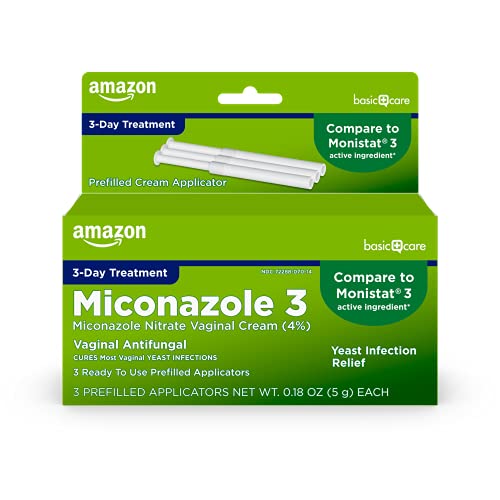
- Over-the-Counter Antifungal Creams: Look for active ingredients like clotrimazole, miconazole, or tioconazole. These are available as creams, ointments, or suppositories. Explore our recommended antifungal creams.
- Prescription Antifungals: For severe or recurrent infections, a doctor may prescribe oral medications like fluconazole or stronger topical treatments.
- Natural Remedies: Tea tree oil, aloe vera, and garlic have antifungal properties. Use them with caution and always dilute essential oils properly.
- Probiotics: Oral probiotics or vaginal suppositories containing Lactobacillus strains can help restore healthy bacteria. A healthy diet also supports your microbiome.
- Proper Hygiene: Wash the affected area gently with mild, unscented soap. Pat dry thoroughly and avoid tight, synthetic fabrics. Maintain a consistent skincare routine to support skin barrier health.
- Dietary Adjustments: Reduce sugar, refined carbohydrates, and alcohol intake. Increase consumption of non-starchy vegetables, lean proteins, and fermented foods like yogurt and kefir.
Antifungal Treatment Options Comparison
Here's how different treatment options stack up:
| Treatment Type | Active Ingredient | Typical Duration | Best For |
|---|---|---|---|
| Topical Cream | Clotrimazole, Miconazole | 1–7 days | Mild to moderate skin or vaginal infections |
| Oral Medication | Fluconazole (prescription) | Single dose or 3-day course | Moderate to severe infections, recurrent cases |
| Suppositories | Tioconazole, Miconazole | 1–3 days | Vaginal yeast infections |
| Natural Remedies | Tea tree oil, Aloe vera | Varies (ongoing) | Mild cases, maintenance therapy |
| Probiotics | Lactobacillus strains | Ongoing (daily) | Prevention, restoring microbiome balance |
How to Prevent Yeast Infections
Prevention is key to avoiding recurrent yeast infections. Incorporate these habits into your daily routine:
🧴 Hygiene & Clothing
- Wear breathable, cotton underwear
- Avoid tight pants, pantyhose, or synthetic fabrics
- Change out of sweaty or wet clothing promptly
- Use gentle, unscented soaps and cleansers
- Avoid douching or using scented feminine products
🥗 Diet & Lifestyle
- Limit sugar, refined carbs, and alcohol
- Eat probiotic-rich foods (yogurt, kefir, sauerkraut)
- Stay hydrated and drink plenty of water
- Manage stress through meditation or yoga
- Get adequate sleep to support immune function
⚠️ When to See a Healthcare Provider
While many yeast infections can be effectively treated at home, you should consult a doctor if you experience:
- Your first yeast infection (get a proper diagnosis)
- Symptoms that do not improve after 7 days of treatment
- Recurrent infections (4 or more per year)
- Fever, chills, or severe pain
- Pregnancy or a weakened immune system
- Unusual discharge with a strong fishy odor
Contact our team if you have questions about your symptoms or need guidance.
Frequently Asked Questions About Yeast Infections
Can a yeast infection go away on its own?
Mild yeast infections may sometimes resolve without treatment, but most require antifungal medication to clear completely. Untreated infections can persist or worsen, so it's best to treat them promptly.
Can men get yeast infections?
Yes, men can get yeast infections, often in the form of balanitis (inflammation of the penis head). Symptoms include redness, itching, and a white discharge. Treatment is similar to that for women.
Are yeast infections sexually transmitted?
Yeast infections are not considered sexually transmitted infections. However, they can be passed between sexual partners through intimate contact. It's a good practice for both partners to get treated if one develops an infection.
Can I use coconut oil for a yeast infection?
Coconut oil contains caprylic acid, which has antifungal properties. While some people use it as a natural remedy, it is not a substitute for medically proven antifungal treatments. Use it with caution and consult your doctor before trying it.
How long does a yeast infection last with treatment?
With appropriate treatment, most yeast infections resolve within 3–7 days. Recurrent or severe infections may require longer courses of treatment.
🌟 Find Effective Yeast Infection Relief Today
Browse our curated selection of trusted antifungal products below. From over-the-counter creams to natural supplements, we've selected top-rated options from reputable brands. Click any product to learn more, compare features, and make an informed purchase decision.
Shop Antifungal Products