Nail Fungus: Causes, Symptoms & Effective Treatment Options
Nail fungus (onychomycosis) is a common condition that can affect both fingernails and toenails. Learn how to identify, treat, and prevent fungal nail infections effectively.
Last Updated: August 16, 2026
What Is Nail Fungus?
Nail fungus, medically known as onychomycosis, is a fungal infection that affects the nails. It typically begins as a white or yellow spot under the tip of your fingernail or toenail. As the infection spreads, it can cause the nail to discolor, thicken, and crumble at the edge. While it's more common in toenails due to the warm, moist environment inside shoes, fingernails can also be affected.
Understanding the underlying causes and risk factors is crucial for effective treatment. For those dealing with other skin conditions, exploring our comprehensive skin care guides can provide additional insights into maintaining overall skin and nail health.
Common Symptoms of Nail Fungus
Recognizing the early signs of a fungal nail infection can help you seek treatment sooner. Here are the most common symptoms to watch for:
Discoloration
White, yellow, or brownish spots under the nail
Thickening
Nails become thicker and harder to trim
Brittleness
Nails become brittle, ragged, or crumbly
Distorted Shape
Nails lose their natural shape and become distorted
Foul Odor
An unpleasant smell may emanate from the infected nail
Discomfort
Pain or discomfort, especially when wearing shoes
⚠️ When to see a doctor: If you have diabetes, poor circulation, or a weakened immune system, consult a healthcare professional immediately if you suspect a fungal infection. For others, over-the-counter treatments and home remedies may be effective, but persistent infections require medical attention.
Causes & Risk Factors
Fungal nail infections are caused by various fungi, including dermatophytes, yeasts, and molds. These organisms thrive in warm, moist environments and can enter the skin through tiny cuts or separations between the nail and nail bed.
Several factors increase your risk of developing nail fungus:
- 🦶 Walking barefoot in public places — gyms, pools, locker rooms
- 👟 Wearing tight or ill-fitting shoes that trap moisture
- 🧦 Excessive sweating or wearing damp socks for extended periods
- 🩹 Minor skin or nail injuries that allow fungi to enter
- 🩺 Medical conditions like diabetes, psoriasis, or circulatory issues
- 👨👩👧👦 Family history or frequent exposure to fungal infections
For those interested in natural remedies, our natural skin remedies guide explores alternative approaches that may complement traditional treatments.
Effective Treatment Options
Treating nail fungus requires patience and consistency. Depending on the severity of the infection, treatment may involve over-the-counter products, prescription medications, or professional procedures.
Over-the-Counter (OTC) Treatments
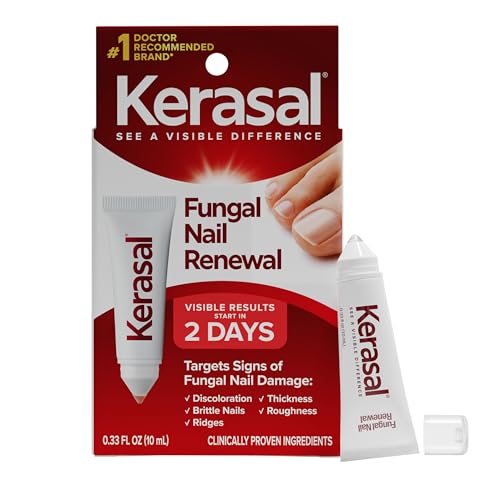
Topical antifungal creams, ointments, and medicated nail polishes can be effective for mild to moderate infections. Look for products with ingredients like clotrimazole or undecylenic acid.
Prescription Oral Medications
For more severe cases, oral antifungal drugs like terbinafine or itraconazole may be prescribed. These are taken for several weeks to months and require monitoring for potential side effects.
Laser Therapy
Laser treatments can target and destroy fungal organisms without damaging the nail. This option is often used for persistent infections that don't respond to other treatments.
Surgical Removal
In severe cases, the nail may need to be removed to allow for direct application of antifungal medication and to prevent further spread of the infection.
💡 Pro Tip: Consistency is key. Topical treatments must be applied regularly, often for several months, to effectively eliminate the fungus and prevent recurrence.
For those seeking alternative or complementary approaches, our natural skincare section offers insights into plant-based remedies that may support your treatment plan.
How to Prevent Nail Fungus
Prevention is always better than cure. Adopting healthy habits can significantly reduce your risk of developing a fungal nail infection.
Keep Feet Clean & Dry
Wash feet daily with soap and dry thoroughly, especially between the toes. Use talcum powder to absorb excess moisture.
Wear Breathable Socks
Choose moisture-wicking socks made from natural fibers like cotton or wool. Change socks daily, or more often if you sweat heavily.
Alternate Footwear
Avoid wearing the same shoes every day. Give them time to air out completely between wears to prevent fungal growth.
Protect in Public Spaces
Always wear flip-flops or water shoes in public showers, pools, and locker rooms. Fungi thrive in warm, moist environments.
Proper Nail Care
Trim nails straight across and file down thickened areas. Disinfect nail clippers and files after each use.
Strengthen Your Immune System
A strong immune system helps fight off infections. Prioritize a balanced diet, regular exercise, and adequate sleep.
Exploring topics like healthy eating and fitness for beauty can further support your body's natural defenses against infections.
Frequently Asked Questions
Can nail fungus go away on its own?
Without treatment, fungal nail infections typically do not resolve on their own. The infection may persist and worsen over time, leading to nail damage and discomfort. Early treatment is recommended for the best outcomes.
How long does it take for nail fungus to clear?
Treatment duration varies depending on the severity and the type of treatment. Topical treatments may take several months to show results, while oral medications can take 6-12 weeks or longer for the nail to grow out completely.
Are home remedies effective for nail fungus?
Some home remedies like tea tree oil, Vicks VapoRub, and apple cider vinegar have anecdotal support, but scientific evidence is limited. They may be used as complementary options, but for best results, combine them with proven antifungal treatments.
Is nail fungus contagious?
Yes, nail fungus is contagious. It can spread from person to person through direct contact or indirectly through shared items like towels, nail clippers, or shoes. Avoid sharing personal items if you have an active infection.
Top-Rated Products for Nail Fungus Treatment
We've curated a selection of highly-rated antifungal products and nail care essentials to help you effectively manage and prevent nail fungus. These products are recommended based on customer reviews and expert insights.