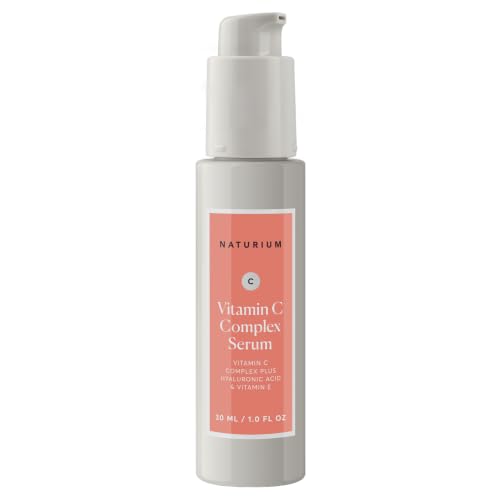
Vitamin C serum for face has become a cornerstone of modern skincare—and for good reason. Whether you're dealing with dullness, fine lines, or stubborn dark spots, this multitasking ingredient delivers visible results. But with so many formulas on the market, how do you choose the right one? In this guide, we break down everything you need to know, from benefits and application tips to our top recommendations.
Key Benefits of Vitamin C Serum
✨ Brightens Skin
Inhibits melanin production to fade dark spots and even out skin tone for a luminous glow.
🧬 Boosts Collagen
Stimulates collagen synthesis, reducing fine lines and improving skin firmness.
🛡️ Antioxidant Protection
Neutralizes free radicals from UV and pollution, preventing premature aging.
💧 Enhances Moisture
Works synergistically with other hydrating ingredients for plumper, healthier skin.
How to Choose the Best Vitamin C Serum
Not all vitamin C serums are created equal. When shopping for a vitamin C serum for skin, consider these factors:
- Concentration: 10–20% L-ascorbic acid is the gold standard for efficacy without irritation.
- Formulation: Look for stabilized derivatives (like THD or ethyl ascorbic acid) if you have sensitive skin.
- Packaging: Dark glass bottles with airless pumps prevent oxidation and maintain potency.
- Complementary Ingredients: Vitamin E, ferulic acid, and hyaluronic acid boost stability and hydration.
For sensitive skin, consider a vitamin C serum for sensitive skin with a lower concentration or a gentler derivative to avoid irritation while still reaping the benefits.
How to Use Vitamin C Serum Correctly
To get the most out of your serum, follow these steps:
- Cleanse: Start with a gentle facial cleanser for sensitive skin or your preferred cleanser to remove dirt and oil.
- Tone (optional): Apply an alcohol-free toner to balance skin pH.
- Apply Serum: Use 3–5 drops of vitamin C serum on dry skin, gently patting it in.
- Moisturize: Follow with a face moisturizer for dry skin or a lightweight lotion to lock in hydration.
- Sun Protection: Always finish with a broad-spectrum sunscreen (SPF 30+) to protect your skin and prevent further damage.
For best results, use vitamin C serum in the morning before sunscreen. If you're new to active ingredients, start with every other day and gradually increase to daily use.
Who Should Use Vitamin C Serum?
Vitamin C serum is suitable for most skin types, but it's especially beneficial if you:
- Have dull or uneven skin tone
- Want to reduce hyperpigmentation or dark spots
- Are looking to prevent or minimize fine lines and wrinkles
- Spend time in polluted environments or under the sun
If you have very sensitive skin, start with a lower concentration and patch-test before full application. You can also explore other skin care routines that include gentle alternatives.
Frequently Asked Questions
Can I use vitamin C serum every day?
Yes, most people can use vitamin C serum daily. Start with every other day if you have sensitive skin, and increase to daily use as your skin adjusts.
Can I use vitamin C with retinol?
Yes, but it's best to use vitamin C in the morning and retinol at night to avoid irritation. This way, you get the benefits of both without overloading your skin.
How long does it take to see results?
You may notice a brighter complexion within 2–4 weeks, while significant improvements in hyperpigmentation and fine lines can take 8–12 weeks of consistent use.
Is vitamin C serum safe for acne-prone skin?
Absolutely. Vitamin C has anti-inflammatory properties and can help reduce redness and post-acne marks. Look for non-comedogenic formulas.
Why Trust Our Recommendations
At BeautyTipsGuide, we combine expert knowledge with real-world testing to bring you the best advice. Our team constantly reviews the latest research and product launches to ensure you get accurate, trustworthy information. We also consider user feedback and dermatologist insights to curate our top picks.
Ready to elevate your skincare routine? Explore our recommended vitamin C serum for face products below—carefully selected for quality, efficacy, and value.