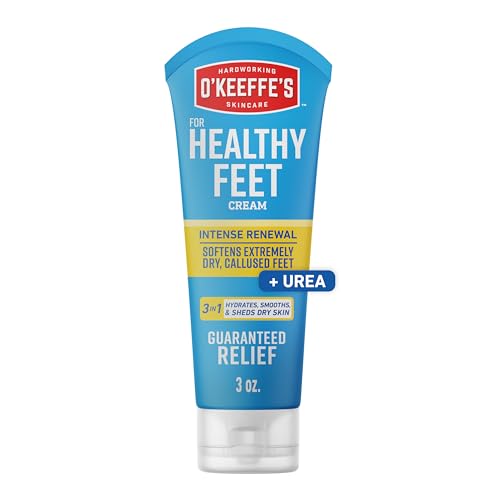
If you struggle with dry, rough, or cracked heels, you're not alone. Millions of people experience foot dryness, especially during colder months or in dry climates. One of the most effective solutions recommended by dermatologists is urea foot cream. But what makes it so special? And how do you choose the right one for your needs?
Key Takeaway: Urea is a naturally occurring compound that acts as a powerful humectant and exfoliant. In foot creams, it draws moisture into the skin while gently breaking down dead skin cells, making it ideal for treating thick, cracked skin on the heels.
What is Urea Foot Cream and How Does It Work?
Urea is a component of the skin's natural moisturizing factor (NMF). In foot creams, it's used in concentrations ranging from 5% to 40% or higher. At lower concentrations (5-10%), urea primarily acts as a humectant, attracting water to the skin's surface. At higher concentrations (10-40%), it also has keratolytic properties, meaning it helps dissolve the bonds between dead skin cells, allowing them to shed more easily.
This dual action is why urea foot cream is so effective for dry, thickened skin on the feet. It softens the tough outer layer of the skin while simultaneously hydrating the deeper layers, leading to smoother, more supple feet over time.
Key Benefits of Urea Foot Cream
- Intense Hydration: Urea penetrates deeply to provide long-lasting moisture to even the driest skin.
- Exfoliation: Helps remove dead skin cells, reducing the appearance of calluses and cracks.
- Repairs Cracked Heels: By softening the skin and promoting cell turnover, it helps heal painful fissures.
- Improves Skin Barrier: Strengthens the skin's natural protective layer, preventing future dryness.
- Safe and Gentle: When used correctly, urea is well-tolerated and suitable for most skin types, even sensitive skin.
How to Choose the Right Urea Foot Cream
Selecting the best urea foot cream depends on the severity of your foot condition. Here's a general guide:
Mild Dryness
Look for 5-10% urea. This range provides gentle hydration and light exfoliation, perfect for daily maintenance.
Moderate Dryness & Calluses
Choose 10-20% urea. This concentration effectively softens rough patches and reduces callus thickness.
Severe Cracks & Fissures
Opt for 20-40% urea. These high-potency creams are designed to treat stubborn, deeply cracked heels. Use them as a targeted treatment, not daily, unless directed by a doctor.
How to Use Urea Foot Cream Effectively
To get the best results, follow these simple steps:
- Start with Clean Feet: Wash your feet with a gentle cleanser and pat them dry.
- Apply Generously: Massage a generous amount of urea foot cream into your heels and the soles of your feet. Pay special attention to rough patches and calluses.
- Wear Socks (Optional but Recommended): For maximum absorption, put on a pair of cotton socks after applying the cream, especially if you're treating severe dryness overnight. This helps lock in moisture.
- Be Consistent: For the best results, use the cream daily. Consistency is key to maintaining soft, healthy feet.
- Exfoliate Weekly: For enhanced results, you can combine your urea foot cream routine with a weekly gentle foot scrub using a foot exfoliator or pumice stone to remove softened dead skin.
For extremely stubborn cracks or fissures, consider using a peeling foot mask every few weeks to accelerate the exfoliation process, but always follow up with your urea cream to maintain hydration.
Pro Tip: For an intensive overnight treatment, apply a thick layer of urea foot cream, cover your feet with a pair of cotton socks, and leave them on while you sleep. By morning, your feet will be noticeably softer.
Potential Side Effects and Precautions
Urea foot cream is generally safe, but it's important to use it correctly. Some people may experience mild stinging or irritation, especially when using higher concentrations on broken skin. To minimize the risk:
- Always apply the cream to clean, dry skin.
- Avoid applying to open wounds, infected areas, or sensitive skin without consulting a doctor.
- If you experience persistent irritation, discontinue use and consult a dermatologist.
- Wash your hands thoroughly after application to prevent the cream from accidentally getting into your eyes or sensitive areas.
For those with more serious foot conditions like severe fungal infections or deep fissures, it's best to consult a podiatrist. However, for most people, a high-quality urea foot cream is a safe and highly effective solution.
Frequently Asked Questions (FAQ)
Can I use urea foot cream on other parts of my body?
Yes, urea cream can also be used to treat dry, rough skin on elbows, knees, and hands. However, use a lower concentration (5-10%) for sensitive areas and always patch-test first.
How long does it take to see results?
You'll likely notice softer, smoother feet within the first few days of regular use. For more significant results, such as reducing calluses and healing cracks, it may take 1-2 weeks of consistent application.
Can I use urea foot cream with other treatments?
Absolutely. Urea foot cream pairs well with other foot care products. For example, you can use it alongside an oil-based cleanser for a complete foot care routine. Just be sure to apply the cream after any exfoliating treatments.
Do I need a prescription for urea foot cream?
No, most urea foot creams are available over-the-counter. However, if you have a severe skin condition, a dermatologist may prescribe a higher concentration formulation.
Final Thoughts: Is Urea Foot Cream Right for You?
If you're dealing with dry, cracked feet, urea foot cream is one of the most effective and scientifically backed solutions available. Whether you choose a low-concentration cream for daily hydration or a high-potency formulation for intensive repair, you can achieve visibly smoother and healthier feet with consistent use.
Ready to transform your feet? Explore our curated selection of the best urea foot creams below. Each product has been carefully chosen for its quality, effectiveness, and positive customer reviews. Your journey to soft, comfortable feet starts here.