The Ultimate Guide to Oil Cleansers: Your Key to a Radiant Complexion
Discover the transformative power of oil cleansing. From removing stubborn makeup to balancing oily skin, learn how to choose and use the perfect oil cleanser for your unique skin type.
What is an Oil Cleanser and Why You Need One
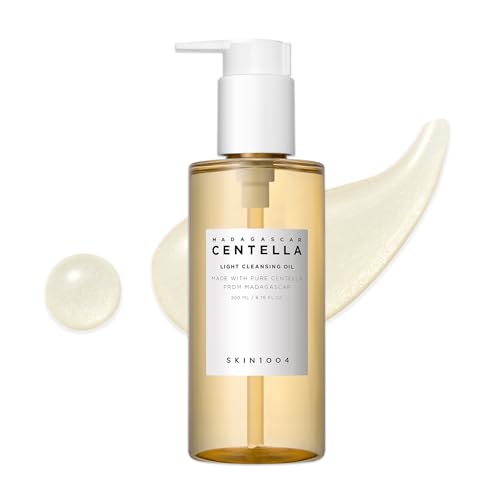
An oil cleanser, also known as a cleansing oil, is a skincare product formulated with a blend of natural or synthetic oils and emulsifiers. Unlike traditional foaming cleansers that can strip the skin of its natural moisture, an oil cleanser works on the principle of "like dissolves like." This means the oils in the cleanser bind to the sebum, sunscreen, and makeup on your skin, effectively dissolving them so they can be easily washed away.
Incorporating an oil face cleanser into your routine is the first step of the popular Korean skincare double-cleansing method. It's a game-changer for anyone looking to achieve a deep, yet gentle clean.
Top 5 Benefits of Using an Oil Cleanser
Deep Cleansing
Effectively dissolves and removes all traces of makeup, SPF, and environmental pollutants.
Balances Oil Production
Helps regulate sebum production by not over-stripping the skin, making it ideal for oily and combination skin types.
Hydrates & Softens
Leaves skin feeling nourished, smooth, and supple, unlike harsh, drying cleansers.
Unclogs Pores
Dissolves the buildup of sebum and dead skin cells, helping to reduce the appearance of blackheads and breakouts.
Gentle & Non-Irritating
A great alternative to salicylic acid cleanser or other harsh actives for those with sensitive skin, as it cleanses without causing irritation.
How to Choose the Best Oil Cleanser for Your Skin Type
Selecting the right cleansing oil is crucial for maximizing benefits. Here’s a simple guide to help you choose:
- Oily & Acne-Prone Skin: Look for lightweight, non-comedogenic oils like grapeseed, sunflower, or jojoba oil. These cleanse effectively without clogging pores. You might also find formulations with a hint of tea tree or similar clarifying ingredients.
- Dry & Dehydrated Skin: Opt for richer, more nourishing oils such as argan, avocado, or olive oil. These will leave your skin feeling intensely moisturized and help support your skin barrier. For an extra hydration boost, follow up with a lightweight moisturizer.
- Sensitive Skin: Choose fragrance-free and minimal ingredient formulas with calming oils like almond or sunflower oil. Avoid essential oils that could trigger a reaction.
- Combination Skin: A balanced formula like a blend of jojoba and grapeseed oil works well, providing enough nourishment without being too heavy.
Always check the ingredient list. For a gentle and effective option, look for a product that is free from harsh preservatives and mineral oils.
How to Use an Oil Cleanser: A Step-by-Step Guide
Using an oil cleanser correctly is simple and takes less than two minutes. Follow these steps for the best results:
- Apply to Dry Skin: Start with dry hands and a completely dry face. Dispense 1-2 pumps of your oil cleanser into your palm.
- Massage Gently: Gently massage the oil into your skin using circular motions for about 30-60 seconds. This allows the oil to break down makeup, sunscreen, and impurities.
- Emulsify with Water: This is the crucial step. Add a small amount of lukewarm water to your hands and continue to massage your face. You'll see the oil turn into a milky, white emulsion, which helps wash away the oil and dissolved dirt.
- Rinse Thoroughly: Rinse your face with lukewarm water until all traces of the oil are gone. Your skin should feel clean, soft, and not stripped or tight.
- Follow with a Water-Based Cleanser (Optional but Recommended): For a deep clean, especially if you wear heavy makeup or sunscreen, follow up with a gentle cleanser as part of the double-cleansing method.
Key Ingredients in a High-Quality Oil Cleanser
Understanding the ingredient list can help you pick the perfect product. Here are some beneficial ingredients to look for:
- Emulsifiers (e.g., PEG-20 Glyceryl Triisostearate): Essential for making the oil rinse off cleanly with water.
- Jojoba Oil: Mimics the skin's natural sebum, making it excellent for balancing all skin types.
- Grapeseed Oil: A lightweight, antioxidant-rich oil that's perfect for oily and acne-prone skin.
- Sunflower Seed Oil: Rich in Vitamin E, known for its soothing and hydrating properties.
- Vitamin E: A potent antioxidant that protects the skin from free radical damage.
Avoid oil cleansers with mineral oil or artificial fragrances, as these can sometimes cause breakouts or irritation. For the best results, treat your skin with care and follow up with a hydrating toner and moisturizer.
Oil Cleanser vs. Micellar Water: What's the Difference?
Both are popular makeup removers, but they work differently. Cleansing micellar water uses micelles (oil molecules suspended in soft water) to attract and lift away dirt. It's gentle, requires no rinsing, and is great for a quick cleanse or for touch-ups.
However, an oil face cleanser is more effective at dissolving heavy, long-wear makeup, thick sunscreen, and deep-seated sebum. It provides a deeper and more thorough clean, making it the superior first step in a double-cleansing routine. For optimal skincare, using an oil cleanser at night followed by a water-based cleanser is the most effective approach.
Frequently Asked Questions About Oil Cleansers
Can I use an oil cleanser if I have oily skin?
Absolutely! In fact, oil cleansers are fantastic for oily skin because they help dissolve excess sebum without stripping the skin, which can actually lead to more oil production. Just choose a lightweight, non-comedogenic formula.
Will an oil cleanser clog my pores?
No, if you use a high-quality oil cleanser and properly emulsify and rinse it off, it should not clog your pores. Emulsifiers in the formula help the oil wash away cleanly, leaving your pores clear.
How often should I use an oil cleanser?
You can (and should) use an oil cleanser every day as the first step of your evening skincare routine to remove makeup, sunscreen, and the day's pollutants.
Do I still need a moisturizer after oil cleansing?
Yes. While oil cleansers are hydrating, they are not a replacement for a moisturizer. You should always follow your cleansing routine with a face serum and a suitable moisturizer to lock in hydration and support your skin barrier.
Ready to Transform Your Skin?
Explore our curated selection of the best oil cleansers recommended for every skin type. Achieve that deep, radiant clean your skin deserves.
Shop Recommended Oil Cleansers