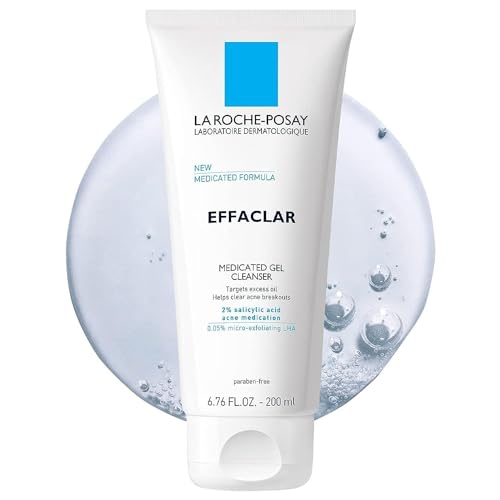
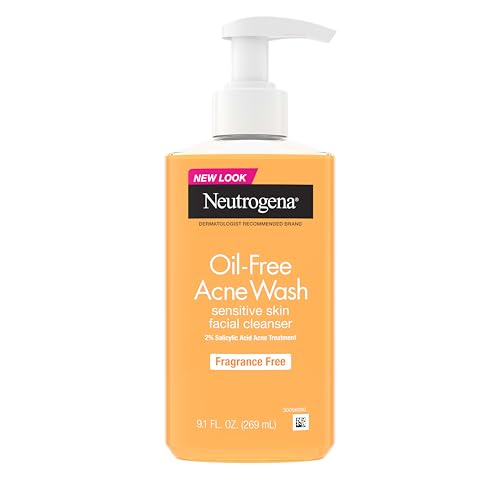
Salicylic Acid Cleanser: The Ultimate Guide to Clearer Skin
Discover how this powerful BHA cleanser can transform your skincare routine by unclogging pores, reducing breakouts, and smoothing your skin texture.
What Is a Salicylic Acid Cleanser?
A salicylic acid cleanser is a face wash formulated with beta-hydroxy acid (BHA) that penetrates deep into pores to dissolve excess oil, dead skin cells, and impurities. Unlike other cleansers that only remove surface dirt, salicylic acid works inside the pore lining to prevent and treat acne, blackheads, and whiteheads.
This makes it an ideal choice for those with oily, combination, or acne-prone skin. When used consistently, a salicylic acid face wash can significantly improve skin clarity and texture without the harshness of physical scrubs.
If you're looking for a face cleanser that goes beyond basic cleansing, salicylic acid offers targeted benefits that address the root causes of breakouts.
Key Benefits of Salicylic Acid Cleanser
Unclogs Pores
Salicylic acid is oil-soluble, allowing it to penetrate sebum and break down the bonds between dead skin cells, effectively clearing out clogged pores.
Reduces Acne
By keeping pores clear, it prevents the formation of new pimples, blackheads, and whiteheads. It also helps calm existing inflammatory acne.
Exfoliates Gently
As a chemical exfoliant, it provides a smoother, more even skin surface without the micro-tears that can come from harsh physical scrubs.
Controls Excess Oil
Regular use helps regulate sebum production, leaving your skin looking matte and fresh throughout the day without over-drying.
How to Use a Salicylic Acid Cleanser Correctly
To get the most out of your salicylic acid cleanser, follow these steps for safe and effective use:
- Start Slowly: If you're new to beta-hydroxy acid, begin by using the cleanser once daily (preferably in the evening) to allow your skin to adjust.
- Lather and Massage: Apply a small amount to damp skin and gently massage for 30–60 seconds, focusing on areas prone to breakouts. Avoid scrubbing aggressively.
- Rinse Thoroughly: Use lukewarm water to rinse off completely, as hot water can strip the skin and cause irritation.
- Follow with Moisturizer: Because salicylic acid can be drying, always apply a lightweight, non-comedogenic oil-free moisturizer afterward to maintain your skin's barrier.
- Wear Sunscreen: Chemical exfoliants can increase sun sensitivity. Apply a broad-spectrum sunscreen for face every morning, even on cloudy days.
💡 Pro Tip: For the best results, pair your salicylic acid cleanser with a hydrating toner to balance your skin's pH and a gentle niacinamide serum to enhance its soothing and brightening effects.
Remember, consistency is more important than frequency. Using a gentle cleanser on alternate days might be better for sensitive skin types than daily use of a stronger formula.
Who Should Use a Salicylic Acid Cleanser?
This type of cleanser is particularly beneficial for:
- Oily and Combination Skin: It helps control shine and prevents clogged pores in the T-zone.
- Acne-Prone Skin: Whether you have occasional breakouts or persistent acne, salicylic acid can be a game-changer.
- Blackhead-Prone Skin: The BHA works deep within pores to dissolve the oxidized sebum that causes blackheads.
- Anyone Looking for Gentle Exfoliation: If you want to smooth skin texture without the abrasiveness of physical scrubs.
If you have dry or sensitive skin, you can still use a salicylic acid cleanser, but opt for a lower concentration (0.5%–1%) and use it less frequently. Pair it with a hydrating cleanser on other days to maintain moisture balance.
Potential Side Effects and How to Avoid Them
While generally safe, salicylic acid can cause temporary side effects, especially when you first start using it:
- Dryness and Flaking: This is a common sign that the exfoliation is working. Combat this by using a richer moisturizer and scaling back to every other day if needed.
- Mild Irritation: Some redness or stinging is normal initially. If it persists, switch to a gentle cleanser without active ingredients for a few days.
- Purge Period: Some people experience a brief "purging" phase where breakouts worsen temporarily. This is the skin clearing out trapped impurities and should subside within 4–6 weeks.
To minimize side effects, always patch-test new products and introduce them gradually. If you're using other active ingredients like retinol cream or vitamin C, alternate them with your salicylic acid cleanser to avoid over-exfoliation.
Choosing the Best Salicylic Acid Cleanser for Your Skin
When selecting a salicylic acid cleanser, consider these factors to find your perfect match:
- Concentration: Over-the-counter cleansers typically contain between 0.5% and 2% salicylic acid. Start with 0.5%–1% if you're new, and move up to 2% if your skin tolerates it well.
- Formulation: Look for cleansers that include soothing ingredients like aloe vera, green tea, or glycerin to counteract potential dryness.
- Skin Type: For oily skin, a gel-based formula works best. For combination or sensitive skin, opt for a creamier or milky texture.
- Additional Benefits: Some cleansers combine salicylic acid with other actives like glycolic acid or tea tree oil for enhanced results.
Remember, the best salicylic acid cleanser is one that fits seamlessly into your routine and addresses your specific concerns without causing irritation.
Frequently Asked Questions
Can I use a salicylic acid cleanser every day?
Yes, most people can use it once daily. If you have sensitive skin, start with 2–3 times per week and gradually increase. Always listen to your skin and adjust accordingly.
Is salicylic acid safe during pregnancy?
Lower concentrations (under 2%) in cleansers are generally considered safe during pregnancy. However, always consult your healthcare provider before introducing new active ingredients.
Can I use salicylic acid with retinol?
Yes, but it's best to use them at different times—salicylic acid in the morning and retinol at night—to reduce the risk of irritation. Always use sunscreen when combining exfoliating ingredients.
How long does it take for salicylic acid cleanser to work?
You may see initial improvements in 2–4 weeks, but full benefits typically appear after 6–8 weeks of consistent use. Patience is key with any active skincare ingredient.
Can I use a salicylic acid cleanser if I have dry skin?
Yes, but choose a gentle formula with hydrating ingredients and use it less frequently—perhaps 1–2 times per week—to avoid over-drying. Pair it with a rich moisturizer.
Final Thoughts: Is a Salicylic Acid Cleanser Right for You?
If you're struggling with clogged pores, blackheads, or persistent acne, a salicylic acid cleanser could be the missing piece in your skincare routine. It offers effective, science-backed results without the harshness of physical exfoliants. By incorporating this BHA cleanser correctly, you can achieve a smoother, clearer complexion and build a solid foundation for the rest of your skincare regimen.
Ready to try it? Browse the recommended products below to find a salicylic acid cleanser that suits your skin type and budget. And remember, if you have any underlying skin conditions, consult a dermatologist before starting any new active ingredient.