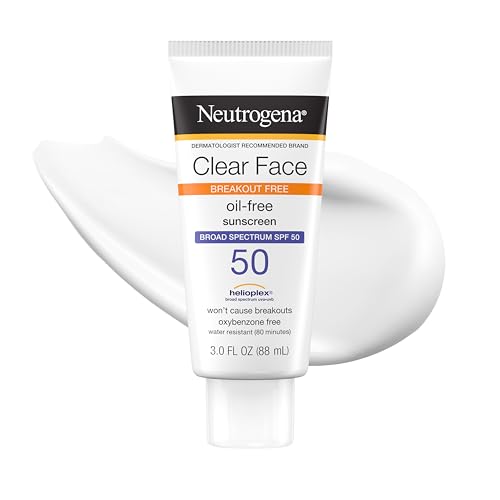
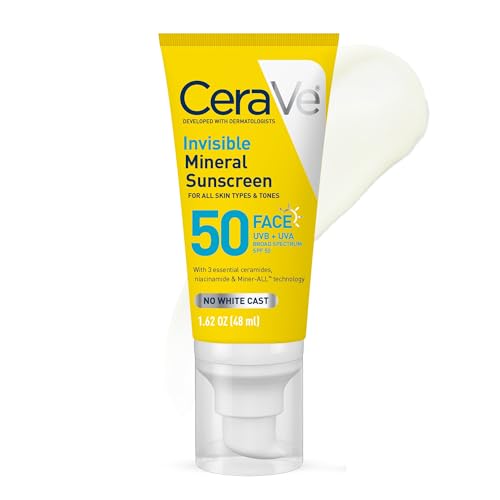
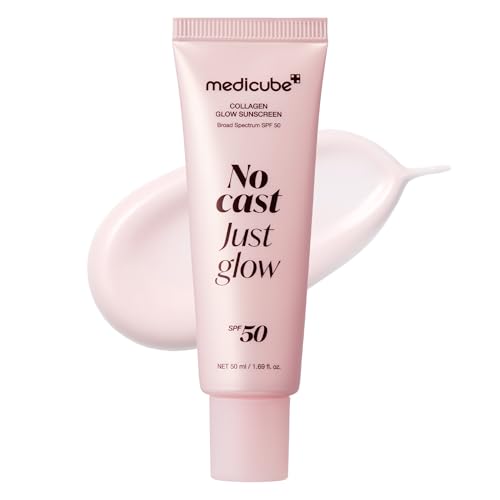
Your Ultimate Guide to the Best Sunscreen for Face
Daily sun protection is the single most important step in any skincare routine. Discover how to choose the right SPF for your skin type, understand key ingredients, and find our top product recommendations.
Shop Top-Rated SunscreensFinding the best sunscreen for face can feel overwhelming with so many options available. But the truth is, a good face sunscreen is non-negotiable for healthy, youthful skin. It protects against premature aging, dark spots, and even skin cancer. Whether you have oily, dry, or sensitive skin, there's a perfect SPF out there for you. This guide breaks down everything you need to know to make an informed choice.
Why Sunscreen for Face is Essential
Your face is constantly exposed to the sun's harmful UVA and UVB rays. Unlike the rest of your body, facial skin is thinner and more prone to damage. Daily use of a dermatologist-recommended sunscreen helps prevent:
- Premature Aging: Sun exposure is the leading cause of wrinkles, fine lines, and loss of elasticity.
- Hyperpigmentation: Dark spots, melasma, and uneven skin tone are often triggered by UV exposure.
- Skin Cancer: Regular use of SPF significantly reduces the risk of developing skin cancers.
- Inflammation: Sun damage can exacerbate conditions like rosacea and acne.
Dermatologists agree that a non-comedogenic sunscreen is the foundation of any effective skincare routine, regardless of your skin type or the weather.
Chemical vs. Physical (Mineral) Sunscreen
Understanding the two main types of sunscreen filters is key to finding the right one for your skin.
Chemical Sunscreens
Contain organic compounds like avobenzone, oxybenzone, and octisalate that absorb UV radiation and convert it into heat. They are typically lightweight, easy to apply, and leave no white cast.
Best for: Oily skin, darker skin tones, and daily wear.
Physical (Mineral) Sunscreens
Contain active mineral ingredients like zinc oxide or titanium dioxide that sit on top of the skin and physically block UV rays. They are less likely to irritate sensitive skin and work immediately upon application.
Best for: Sensitive skin, rosacea, post-procedure skin.
💡 Tip: Look for a tinted mineral sunscreen if you want to avoid a white cast while still getting the benefits of a physical blocker.
How to Choose the Best Sunscreen for Your Face
Selecting the right product goes beyond just SPF number. Here are the key factors to consider:
- SPF 30 or Higher: The American Academy of Dermatology recommends at least SPF 30 for daily use. This blocks about 97% of UVB rays.
- Broad Spectrum: Ensure the label says "broad spectrum" to protect against both UVA (aging) and UVB (burning) rays.
- Water Resistance: If you sweat or swim, a water-resistant formula (40 or 80 minutes) is ideal, though remember to reapply afterward.
- Skin Type:
- Oily/Acne-Prone: Choose a non-comedogenic sunscreen with a gel or fluid texture.
- Dry Skin: Opt for a hydrating sunscreen with ingredients like hyaluronic acid or ceramides.
- Sensitive Skin: A dermatologist-recommended sunscreen that is fragrance-free and mineral-based is your safest bet.
- Daily Wear: Your sunscreen should be comfortable enough to wear every day. A lightweight sunscreen or a SPF tinted moisturizer can be a great choice for everyday use.
Remember, the best sunscreen is the one you'll actually use consistently.
Key Ingredients to Look For
Beyond the SPF rating, some ingredients can boost the effectiveness and skincare benefits of your sunscreen.
- Antioxidants (Vitamin C, E, Ferulic Acid): Help neutralize free radicals caused by UV exposure, preventing further skin damage. Check out our guide on antioxidant skin care for more insights.
- Niacinamide: Soothes inflammation, reduces redness, and improves skin barrier function.
- Hyaluronic Acid & Glycerin: Humectants that draw moisture into the skin, making the sunscreen more hydrating.
- Ceramides: Help restore the skin's natural barrier, which is often compromised by sun exposure.
For those with specific concerns like melasma, consider a sunscreen for melasma which often contains iron oxides for additional visible light protection.
How to Apply Sunscreen Correctly
Proper application is just as important as the product you choose. Follow these tips for maximum protection:
- Apply Generously: Use about a nickel-sized amount (or ½ teaspoon) for your face and neck.
- Apply Before Makeup: Sunscreen should be the last step in your skincare routine and the first step before makeup. Wait a few minutes for it to absorb before applying foundation.
- Don't Forget Key Areas: Apply sunscreen to your ears, the back of your neck, and your hairline.
- Reapply Every 2 Hours: Sunscreen breaks down over time, especially with sweat and oil. Reapply every two hours when outdoors.
- Use a Setting Powder with SPF: For easy reapplication over makeup, consider a powder sunscreen or a setting spray with SPF.
⚠️ Important: Sunscreen is not just for sunny days. Up to 80% of UV rays can penetrate clouds, so make it a daily habit.
Frequently Asked Questions About Face Sunscreen
Is sunscreen safe for daily use?
Yes, daily sunscreen use is not only safe but strongly recommended by dermatologists worldwide to protect against skin cancer and premature aging.
Can I use body sunscreen on my face?
It's best to use a dedicated face sunscreen. Body sunscreens can be heavier, pore-clogging, and more likely to cause breakouts or irritation. A non-comedogenic sunscreen formulated for the face is always a better choice.
Does a higher SPF mean better protection?
SPF measures UVB protection only. SPF 30 blocks 97% of UVB rays, SPF 50 blocks 98%. The jump in protection is small, so it's more important to apply an adequate amount and reapply regularly.
How do I prevent pilling from sunscreen?
Pilling often occurs when layers of products don't mix well. Try using a lightweight sunscreen and wait for each skincare layer (serum, moisturizer) to fully absorb before applying sunscreen.
Is expensive sunscreen better?
Not necessarily. Price often reflects brand, texture, and additional skincare ingredients. Many affordable sunscreens provide excellent protection. Focus on the formula that suits your skin type, not the price tag.
Explore More Skin Health Guides
To build a complete skincare routine that complements your sun protection, explore our other expert guides:
- Korean Skincare Moisturizer – Discover lightweight, hydrating options.
- Retinol Cream – Learn how to safely combine retinol with sunscreen.
- Niacinamide Serum – A perfect partner to sunscreen for brightening and barrier support.
- Vitamin C Serum – This antioxidant boosts the effectiveness of your sunscreen.
If you're dealing with dark spots from past sun damage, consider our guide on age spot on face for treatment options.
BeautyTipsGuide Philosophy: We believe that everyone deserves to feel beautiful in their own skin. Protecting your skin with the right sunscreen is the ultimate form of self-care.