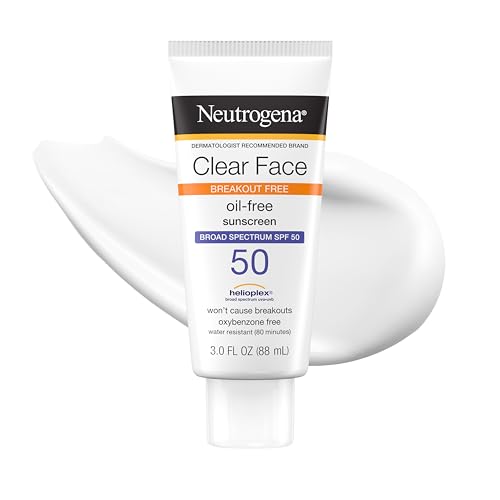
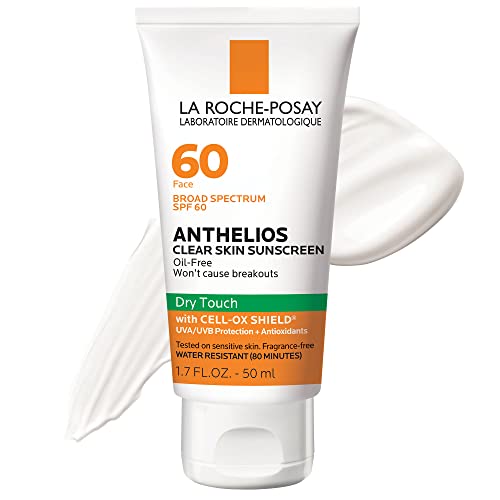
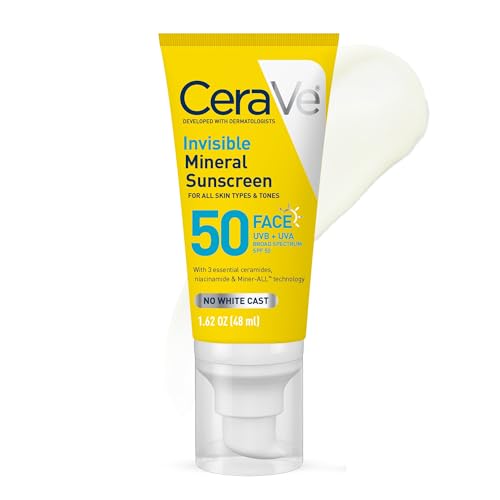
Non-Comedogenic Sunscreen: The Ultimate Guide for Acne-Prone Skin
Discover how to protect your skin from UV damage without clogging pores. Expert tips, ingredient insights, and the best SPF products for clear, healthy skin.
SHOP BEST SUNSCREENSWhy Non-Comedogenic Sunscreen Matters: For those with acne-prone or sensitive skin, choosing the right SPF is crucial. Non-comedogenic sunscreens are specially formulated to protect your skin from harmful UV rays without blocking pores, reducing the risk of breakouts and irritation.
Finding the perfect sunscreen can feel like a daunting task, especially if you have acne-prone or sensitive skin. Many sunscreens on the market are heavy, greasy, and notorious for clogging pores, leading to unwanted breakouts. This is where non-comedogenic sunscreen becomes your skin's best friend. But what exactly does "non-comedogenic" mean, and how do you choose the right one? This comprehensive guide will walk you through everything you need to know, helping you make an informed decision for healthier, protected skin.
Non-comedogenic products are formulated with ingredients that are less likely to cause comedones, or clogged pores. These formulations are particularly important for individuals with oily, combination, or acne-prone skin. By choosing a sunscreen that is both effective and non-pore-clogging, you can enjoy the sun safely without compromising your skin's clarity.
What is Non-Comedogenic Sunscreen?
A non-comedogenic sunscreen is a sun protection product designed to avoid blocking pores. The term "comedogenic" refers to the ability of an ingredient to cause comedones (blackheads and whiteheads). Non-comedogenic products are tested to ensure they have a low probability of clogging pores, making them a safer choice for those prone to acne. These sunscreens often feature lightweight, lightweight moisturizer-like textures and are formulated with ingredients that are less likely to cause skin congestion.
Many people mistakenly believe that all sunscreens are the same, but the texture and ingredient composition can vary dramatically. Traditional sunscreens often use heavy oils and waxes that can trap sebum and dead skin cells, leading to breakouts. Non-comedogenic sunscreens prioritize oil-free, water-based, or gel formulations that allow the skin to breathe while providing broad-spectrum protection. For those who also use makeup, finding a product that layers well is essential; many users complement their sunscreen with a moisturizer for makeup to ensure a flawless finish.
Key Ingredients in Non-Comedogenic Sunscreen
When shopping for a non-comedogenic sunscreen, it's important to understand which ingredients are beneficial and which to avoid. Here are some key components to look for:
- Zinc Oxide and Titanium Dioxide: These are physical (mineral) sunscreen ingredients that sit on top of the skin and reflect UV rays. They are generally well-tolerated by sensitive and acne-prone skin and are often non-comedogenic.
- Niacinamide: A form of Vitamin B3, niacinamide is a potent anti-inflammatory ingredient that can help soothe redness, reduce acne flare-ups, and improve skin barrier function. Many sunscreens now incorporate niacinamide for added skin benefits.
- Hyaluronic Acid: A powerful humectant that draws moisture into the skin without adding oil. It helps keep the skin hydrated and plump, which is especially beneficial for those using acne treatments that can be drying.
- Ceramides: These are lipids that help restore and maintain the skin's natural barrier. Ceramides are excellent for protecting sensitive skin and preventing moisture loss, making them a great addition to any sunscreen.
- Antioxidants: Ingredients like Vitamin C, Vitamin E, and ferulic acid help protect the skin from free radical damage caused by UV exposure. They add an extra layer of defense and can brighten the skin over time.
On the other hand, be cautious of ingredients like heavy oils (e.g., coconut oil, mineral oil), lanolin, and certain silicones (like dimethicone in high concentrations), which can be pore-clogging. Always check the label and opt for products labeled "oil-free" and "non-comedogenic."
Choosing the Right SPF for Your Skin
Selecting the right Sun Protection Factor (SPF) is crucial. Dermatologists recommend using a broad-spectrum sunscreen with an SPF of 30 or higher for daily use. Broad-spectrum means it protects against both UVA (aging) and UVB (burning) rays.
| Skin Type | Recommended SPF | Texture Preference | Key Ingredients |
|---|---|---|---|
| Oily / Acne-Prone | SPF 30-50 | Gel, Fluid, or Matte | Niacinamide, Zinc Oxide |
| Dry / Sensitive | SPF 30-50 | Cream, Lotion | Hyaluronic Acid, Ceramides |
| Combination | SPF 30-50 | Lightweight Lotion | Niacinamide, Hyaluronic Acid |
| Normal | SPF 30+ | Any (prefer lightweight) | Antioxidants, Vitamin C |
For those with melasma or hyperpigmentation, using a high-SPF sunscreen is non-negotiable. UV exposure can worsen dark spots, so a broad-spectrum, high-SPF option is essential. You might also consider a sunscreen for melasma to target specific concerns. If you have fair skin, you may need to be extra diligent; finding a sunscreen for fair skin that doesn't leave a white cast while being non-comedogenic can be challenging, but mineral sunscreens with micronized particles are a great option.
How to Properly Apply Non-Comedogenic Sunscreen
Proper application is just as important as the product itself. Here are some tips to ensure you get the best protection without causing breakouts:
- Apply Generously: For the face, use about a nickel-sized amount or the "two-finger" rule (squeeze the product along your index and middle fingers). For the body, you'll need about a shot glass full.
- Don't Forget Key Areas: Apply to often-missed spots like the ears, back of the neck, and tops of the feet.
- Apply Before Makeup: Sunscreen should be the last step in your skincare routine before makeup. Allow it to fully absorb (about 2-5 minutes) before applying foundation or concealer.
- Reapply Regularly: Reapply every two hours, or immediately after swimming or sweating. For convenience, consider a powder or spray sunscreen for reapplication over makeup.
- Cleanse Thoroughly: At the end of the day, make sure to double cleanse to remove all traces of sunscreen. Use a gentle oil cleanser followed by a water-based cleanser to ensure pores are clear.
💡 Pro Tip for Acne-Prone Skin
If you are new to using sunscreen daily, patch-test a small area first to see how your skin reacts. Look for sunscreens that are labeled "won't clog pores" or "dermatologist-tested." Many users with acne-prone skin find success with dermatologist-recommended sunscreen options, as they are often backed by clinical research and skin experts.
Chemical vs. Physical Sunscreens: What's Better for Acne?
There is ongoing debate about whether chemical or physical (mineral) sunscreens are better for acne-prone skin. Here’s a breakdown to help you decide:
- Physical (Mineral) Sunscreens: These contain active ingredients like zinc oxide and titanium dioxide. They sit on top of the skin and act as a physical barrier, reflecting UV rays away from the skin. They are generally considered less irritating and are less likely to clog pores, making them an excellent choice for sensitive and acne-prone skin.
- Chemical Sunscreens: These absorb into the skin and convert UV rays into heat, which is then released from the body. They tend to be more lightweight and less visible on the skin but can sometimes cause irritation or breakouts in sensitive individuals due to the chemical filters used.
For acne-prone individuals, tinted mineral sunscreen is often a preferred option because it provides protection while offering a natural-looking tint that can help even out skin tone. Additionally, mineral sunscreens are often recommended for those with melasma or hyperpigmentation, as they provide a more robust physical block against UV rays. If you're looking for a product that layers well under makeup, consider a lightweight sunscreen that won't feel heavy or cause pilling.
Debunking Common Sunscreen Myths
There are many misconceptions about sunscreen, especially when it comes to acne-prone skin. Let's clear up a few:
- Myth 1: Sunscreen causes acne. Fact: While some sunscreens can be comedogenic, non-comedogenic sunscreens are formulated to be safe for acne-prone skin and are essential for preventing UV damage that can worsen acne scars and hyperpigmentation.
- Myth 2: I don't need sunscreen if my makeup has SPF. Fact: While foundation or BB cream with SPF can be a nice bonus, you rarely apply enough to get the full protection. A dedicated sunscreen is always recommended for optimal coverage.
- Myth 3: Darker skin tones don't need sunscreen. Fact: Every skin tone is susceptible to UV damage and skin cancer. While melanin provides some natural protection, it's not enough. Everyone should wear sunscreen daily.
- Myth 4: Sunscreen is only for sunny days. Fact: UV rays can penetrate clouds and even cause damage on overcast days. Daily use is essential for long-term skin health.
Integrating Non-Comedogenic Sunscreen into Your Daily Routine
Making sunscreen a non-negotiable part of your daily routine is easier than you think. Here’s how to seamlessly integrate it:
- Morning Routine: After cleansing and applying your serum and lightweight face moisturizer, apply your non-comedogenic sunscreen. Wait a few minutes for it to absorb before moving on to makeup.
- On-the-Go Reapplication: For reapplication during the day, consider using a sunscreen stick or powder brush, especially if you wear makeup and don't want to disturb it.
- Use Alongside Other Treatments: If you are using acne treatments like retinol or salicylic acid, sunscreen is even more critical, as these ingredients can make your skin more sensitive to the sun. Look for a sunscreen that also offers calming ingredients like niacinamide serum to soothe potential irritation.
Conclusion: Protect Your Skin with Confidence
Choosing the right non-comedogenic sunscreen is a vital step in any skincare routine, especially for those with acne-prone or sensitive skin. By understanding what to look for in an SPF product and how to apply it correctly, you can enjoy the benefits of sun protection without the worry of breakouts. Remember to check labels for skin-friendly ingredients, choose a broad-spectrum SPF of 30 or higher, and make it a daily habit.
Whether you prefer a lightweight gel for oily skin or a hydrating cream for dry skin, there is a perfect non-comedogenic sunscreen out there for you. Don't forget to explore other protective products like Korean sunblock, which often features innovative, lightweight formulas that are both effective and gentle. And if you're looking to simplify your routine, you might also consider an oil-free moisturizer that provides hydration without adding excess shine.
With the right knowledge and products, you can protect your skin effectively and maintain a clear, glowing complexion all year round. For more expert advice on skincare and beauty, explore our other guides and find the solutions that work best for you.