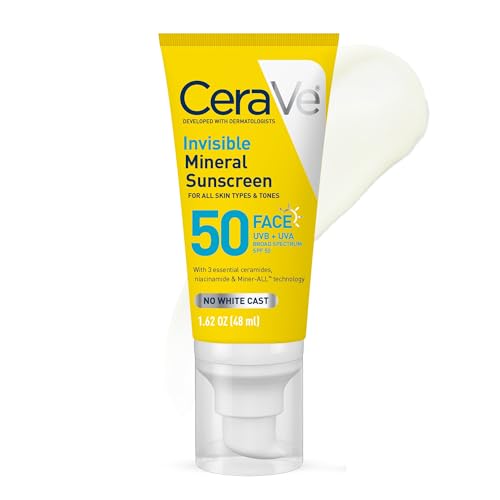
Best Sunscreen for Melasma: Your Complete Guide
Discover the most effective sunscreens to protect your skin, prevent hyperpigmentation, and fade melasma. Expert-approved recommendations for all skin types.
Why Sunscreen is Non-Negotiable for Melasma: Melasma is a chronic skin condition characterized by brown or gray-brown patches, often triggered by UV exposure. Sunscreen isn't just a recommendation—it's the cornerstone of any effective melasma treatment plan. Without daily, diligent sunscreen use, even the best fading creams and professional treatments will fail. This guide will help you choose the right sunscreen to protect your skin and achieve lasting results.
Understanding Melasma & The Role of Sunscreen
Melasma is more common in women, particularly those with darker skin types (Fitzpatrick skin types III-V). While the exact cause is multifactorial, ultraviolet (UV) radiation is the primary trigger. UVA rays (which penetrate deep into the skin) and UVB rays (which cause sunburn) both stimulate melanocytes—the pigment-producing cells—to overproduce melanin. This leads to the characteristic patches on the cheeks, forehead, upper lip, and chin.
To effectively manage melasma, you need a sunscreen that offers broad-spectrum protection (protection against both UVA and UVB). Furthermore, visible light (high-energy visible light, or HEV) and infrared radiation can also exacerbate melasma, especially in darker skin tones. This is why many dermatologists recommend tinted mineral sunscreens that contain iron oxides, as they provide additional protection against visible light.
When choosing a sunscreen for melasma, consider factors like your skin type, the finish you prefer, and the level of tint. It's also crucial to apply a generous amount—about a nickel-sized dollop for your face and neck—and reapply every two hours, or more frequently if you're sweating or swimming. You can learn more about the basics of daily sun protection in our guide to sunscreen for face.
Mineral vs. Chemical Sunscreen: Which is Better for Melasma?
This is one of the most common questions. The short answer is that both can be effective if used correctly, but mineral (physical) sunscreens are generally preferred for melasma-prone skin. Here's why:
| Feature | Mineral Sunscreen | Chemical Sunscreen |
|---|---|---|
| Active Ingredients | Zinc oxide, Titanium dioxide | Avobenzone, Oxybenzone, Octinoxate, etc. |
| How It Works | Forms a physical barrier that reflects UV rays | Absorbs UV rays and converts them to heat |
| Broad-Spectrum Protection | Excellent, especially for UVA (Zinc oxide) | Can be broad-spectrum, but some ingredients are unstable |
| Visible Light Protection | Excellent (especially tinted with iron oxides) | Poor to moderate |
| Skin Sensitivity | Less irritating, suitable for sensitive skin | Can cause irritation or allergic reactions |
| Cosmetic Elegance | Can be thick or leave a white cast (modern formulas are better) | Generally lightweight and transparent |
For melasma, the superior protection against UVA and visible light makes mineral sunscreens, particularly tinted mineral sunscreens, the gold standard. The tint not only helps mask the white cast but also provides a subtle, even tone while offering that extra layer of defense against visible light. If you have oily or acne-prone skin, you might prefer a lightweight, non-comedogenic formula like the ones in our lightweight sunscreen guide.
Key Ingredients to Look For in a Melasma Sunscreen
Beyond the SPF number, certain ingredients can enhance the protective and corrective benefits of your sunscreen:
- Zinc Oxide (at least 15-20%): The most stable and effective UVA blocker. Look for non-nano formulations if you have concerns about absorption.
- Iron Oxides: This is the "tint" in tinted sunscreens. It protects against visible light, which is crucial for melasma in darker skin types.
- Niacinamide (Vitamin B3): A skin-restoring ingredient that helps fade hyperpigmentation and strengthen the skin barrier. You can find it in many sunscreens or layer it with a dedicated niacinamide serum.
- Antioxidants (Vitamin C, E, Ferulic Acid): They boost the sunscreen's effectiveness by neutralizing free radicals caused by UV exposure. For a comprehensive approach, consider pairing your sunscreen with an antioxidant skincare routine.
- Hyaluronic Acid / Ceramides: Hydrating ingredients that help maintain skin health and prevent irritation, which can worsen melasma.
Many dermatologists also recommend a combination approach: a tinted mineral sunscreen for daily use, and a non-tinted version for reapplication throughout the day. This ensures you get consistent, high-level protection. If you're looking for options that are specifically recommended by professionals, our dermatologist-recommended sunscreen list is a great resource.
How to Apply Sunscreen for Maximum Protection
Even the best sunscreen won't work if you don't apply it correctly. Follow these steps to ensure you're getting the full protection:
- Apply as the Last Step of Skincare: After your moisturizer and before makeup. Give it a few minutes to set.
- Use Enough Product: For the face and neck, use a nickel-sized amount (about 1/2 teaspoon). For the full face, neck, and chest, use a shot-glass full.
- Don't Forget Key Areas: The ears, back of the neck, hairline, and the tops of your hands are often missed.
- Apply 15-20 Minutes Before Sun Exposure: This allows the sunscreen to form a uniform film on your skin.
- Reapply Every Two Hours: If you're outdoors, or immediately after sweating or swimming. Powder or spray sunscreens can make reapplication over makeup easier.
- Be Consistent, Every Day: UV rays penetrate clouds and windows, so daily use is non-negotiable, even when it's overcast or you're indoors.
For a complete morning routine that complements your sunscreen, check out our guide to K-Beauty skincare products, which often emphasize layering hydration and protection.
Beyond Sunscreen: Lifestyle Tips for Managing Melasma
Sunscreen is your number one tool, but it works best as part of a comprehensive strategy:
- Seek Shade: Avoid direct sun between 10 a.m. and 4 p.m., when UV rays are strongest.
- Wear Protective Clothing: Wide-brimmed hats, UV-blocking sunglasses, and long sleeves provide an extra physical barrier.
- Manage Heat: Heat from the sun, saunas, or even hot yoga can trigger melasma. Keep your face cool when possible.
- Consider Supplements: Some studies suggest that oral antioxidants like Vitamin C, Vitamin E, and Polypodium leucotomos can provide systemic photoprotection. Always consult a doctor before starting new supplements.
- Be Patient: Melasma is stubborn. With consistent sunscreen use and the right skincare, you may start seeing results in 3-6 months, but it can take up to a year to see significant fading.
For those looking to enhance their skin's overall health, our resources on healthy eating and skin-healthy diets offer complementary advice.
Final Thoughts
Choosing the right sunscreen for melasma is a critical, non-negotiable step in your skincare journey. By prioritizing a high-SPF, broad-spectrum tinted mineral sunscreen with iron oxides, you are giving your skin the best defense against the triggers that cause melasma. Remember to be consistent, apply generously, and reapply often. Your skin will thank you for it. For a more holistic approach, consider incorporating gentle actives like retinol, but only if your skin can tolerate them and you're using sunscreen diligently. You can read more about retinol for melasma to understand how it can be integrated safely.
If you have persistent melasma, it's always best to consult a board-certified dermatologist. They can provide a tailored treatment plan, which may include prescription creams, chemical peels, or laser therapies. For now, arm yourself with the knowledge and products below to start protecting your skin today.